News

How Oil Immersed Transformer Achieves 60kV Breakdown Voltage Through Vacuum Filling?

2026-09-07 0 Leave me a message

Industry data indicates that approximately 30% of premature transformer failures are directly attributable to excessive moisture and gas content in the insulating oil. A moisture increase of just 15 parts per million (ppm) can reduce the breakdown voltage of transformer oil from 60kV to below 30kV. This dramatic reduction in dielectric strength underscores the critical importance of the vacuum filling process in transformer manufacturing. For an oil immersed transformer rated at 33kV or above, achieving and maintaining a 60kV breakdown voltage is not a quality target—it is a fundamental requirement for reliable operation over the transformer's 30-40 year service life.


This article provides a systematic technical analysis of how oil immersed transformers achieve 60kV breakdown voltage through vacuum filling. The discussion covers four essential process stages: oil pre-treatment and quality verification, vacuum drying of the core and winding insulation, the vacuum filling process with controlled parameters, and post-filling testing in accordance with IEC and ASTM standards. Each stage is examined with reference to specific process parameters, equipment requirements, and quality control checkpoints. The article also addresses common failure modes and provides a practical quality control framework for transformer manufacturers and end-users.

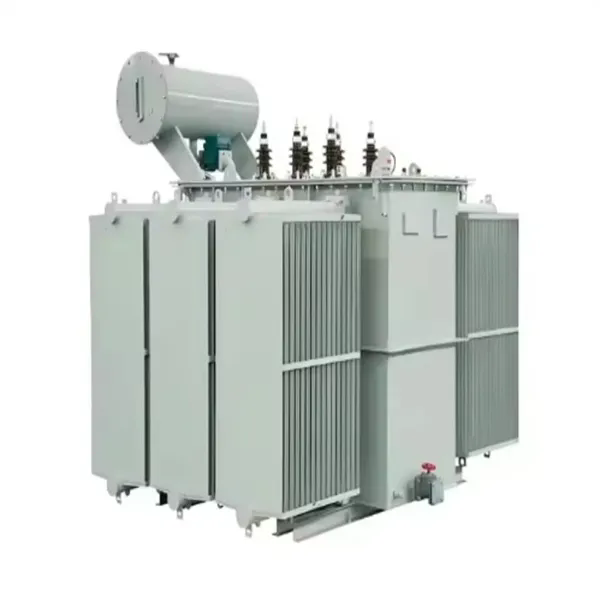
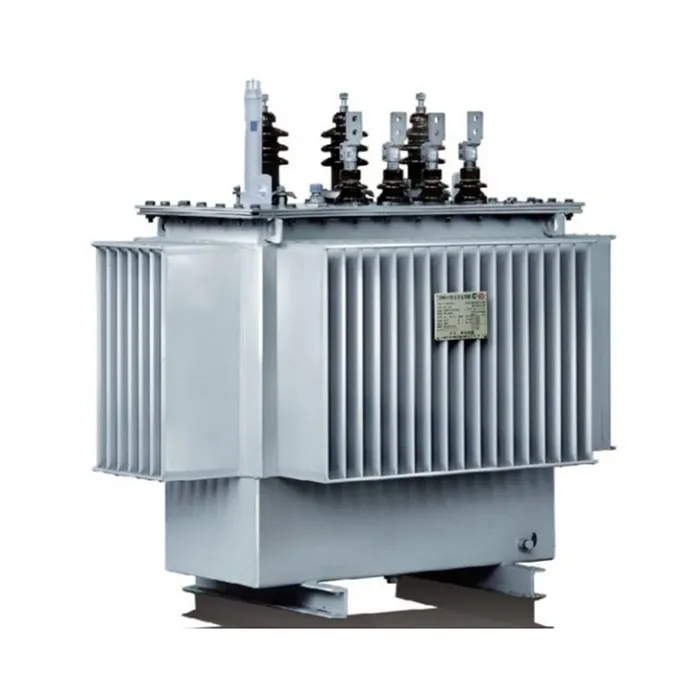
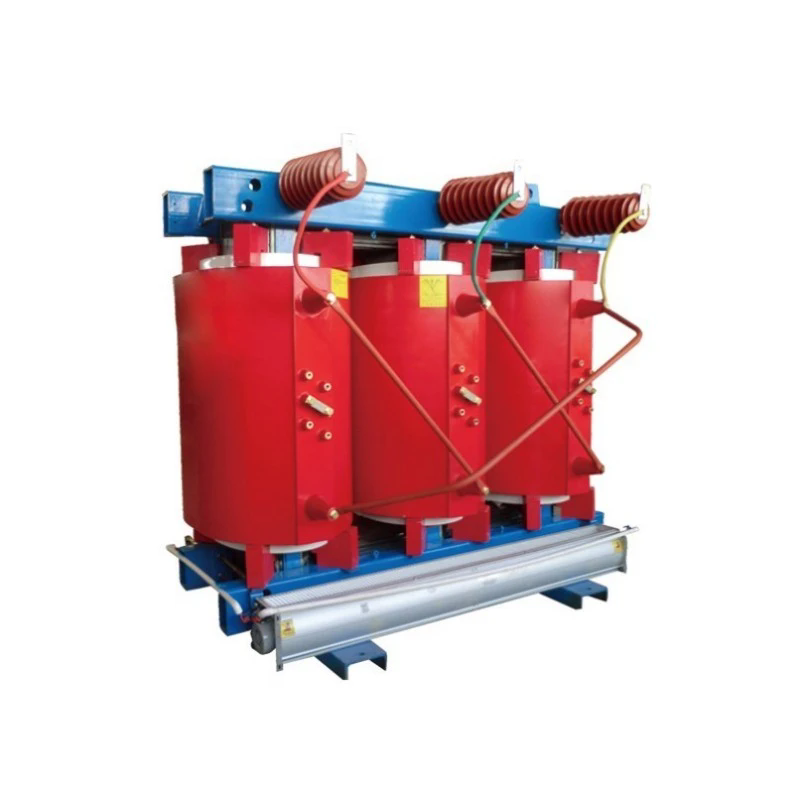
Two Winding Single Phase Oil Immersed ONAN Transformer


Table of Contents


1. Oil Pre-Treatment and Quality Standards

The journey to achieving a 60kV breakdown voltage begins with the pre-treatment of the transformer oil before it enters the transformer tank. Even new, refined transformer oil typically contains dissolved moisture, gases, and particulate contaminants that must be removed to achieve the required dielectric strength. The pre-treatment process is conducted in a dedicated oil processing plant, which includes heating systems, vacuum dehydration units, and multi-stage filtration equipment. The following parameters must be verified before the oil is deemed suitable for transformer filling:

  • Breakdown Voltage (BDV): ≥ 60kV (measured in accordance with IEC 60156)
  • Moisture Content: ≤ 10 ppm (measured by Karl Fischer titration)
  • Dissolved Gas Content (DGA): ≤ 0.5% by volume (measured by gas chromatography)
  • Dissipation Factor (tan δ): ≤ 0.001 at 90°C (measured in accordance with IEC 60247)
  • Particle Count: ≤ 500 particles per 100mL (≥ 5μm size)
  • Resistivity: ≥ 10¹² Ω·cm at 90°C

The oil purification process follows a three-stage sequence. The first stage is heating: the oil is heated to 60-70°C to reduce viscosity and facilitate the release of dissolved gases and moisture. The second stage is vacuum dehydration: the heated oil is introduced into a vacuum chamber operating at 0.1-0.5 mbar. Under this vacuum, the boiling point of water is reduced, causing moisture to evaporate and be drawn off by the vacuum pump. Typical dehydration time is 4-8 hours, depending on the oil volume and initial moisture content. The third stage is filtration: the dehydrated oil passes through a series of filters with ratings of 5μm and 1μm to remove particulate contaminants. The processed oil is then recirculated through the system until all specified parameters are achieved.

The following table summarizes the pre-treatment parameters and corresponding acceptance criteria.

Parameter Test Method Acceptance Criterion Consequence of Non-Compliance
Breakdown Voltage IEC 60156 ≥ 60kV Redo purification process
Moisture Content Karl Fischer (IEC 60814) ≤ 10 ppm Extended vacuum dehydration required
Dissolved Gases Gas Chromatography ≤ 0.5% by volume Vacuum degassing required
Dissipation Factor IEC 60247 ≤ 0.001 at 90°C Oil quality degraded; may require replacement
Resistivity IEC 60247 ≥ 10¹² Ω·cm at 90°C Oil quality insufficient; reprocessing required

At Lugao Power Co.,Ltd., we maintain a dedicated oil processing facility equipped with a 10,000-liter oil tank, a 300 L/min vacuum dehydration unit, and a closed-loop filtration system with 1μm absolute filters. Each batch of processed oil is sampled and tested before being approved for transformer filling. The test results are documented in a batch certificate that accompanies the transformer throughout its service life. This rigorous pre-treatment protocol ensures that the oil entering the transformer meets the same quality standards as the oil that will be tested after filling, establishing the foundation for achieving the 60kV breakdown voltage.


2. Vacuum Drying of the Transformer Core and Winding

Transformer insulation is composed primarily of cellulose-based materials—paper, pressboard, and wood—which are inherently hygroscopic. Under normal atmospheric conditions, these materials can absorb up to 8% moisture by weight. When a transformer is energized, the insulation heats up, and any moisture present vaporizes, reducing the dielectric strength of both the solid insulation and the surrounding oil. Vacuum drying is the process of removing this moisture from the insulation system before the transformer is filled with oil. The drying process is critical because even after the oil is purified, moisture trapped in the insulation will leach into the oil over time, reducing the breakdown voltage.

The vacuum drying process typically involves the following stages. First, the transformer is placed in a drying oven or heated by circulating hot oil through the cooling system. The core and winding are heated to 85-105°C to accelerate the release of moisture. The transformer tank is then evacuated using a vacuum pump to reduce the pressure to 0.1-0.5 mbar. Under this vacuum, the boiling point of water is reduced to approximately 40-50°C, allowing the moisture in the insulation to evaporate. The evaporated moisture is drawn out of the tank by the vacuum pump. The drying process is continued until the moisture content of the insulation falls below 0.5% by weight.

The drying endpoint is determined by one of two methods:

  • Pressure Rise Method: The vacuum pump is isolated from the transformer tank, and the pressure rise rate is measured over a defined period. If the rate of pressure rise is less than 0.1 mbar per hour over a 4-hour period, the drying is considered complete.
  • Dew Point Method: The dew point of the gas being evacuated from the transformer is monitored continuously. When the dew point falls below -40°C, the drying is considered complete.

The duration of the vacuum drying process varies depending on the transformer size, the type of insulation, and the ambient conditions. For a typical 10 MVA transformer, the drying process may take 48-72 hours. For larger power transformers, the process can extend to several days. The following table provides typical drying parameters for different transformer classes.

Transformer Class Drying Temperature Vacuum Level Typical Duration Endpoint Criterion
Distribution (≤ 5 MVA) 85-90°C 0.5 mbar 24-36 hours Pressure rise ≤ 0.1 mbar/h
Medium (5-30 MVA) 90-100°C 0.2-0.3 mbar 48-72 hours Dew point ≤ -40°C
Large (> 30 MVA) 100-105°C 0.1-0.2 mbar 72-120 hours Pressure rise ≤ 0.05 mbar/h

At Lugao., we use a combination of thermal vacuum drying and hot oil circulation to achieve the required moisture removal. The transformer is heated by circulating hot oil through the cooling system, while the tank is simultaneously evacuated. This method provides uniform heating and accelerates the drying process. After the drying cycle is complete, the transformer is held under vacuum until the oil filling process begins, preventing the re-absorption of moisture from the atmosphere. This approach ensures that the insulation moisture content is maintained below the 0.5% threshold, which is essential for achieving and maintaining a 60kV breakdown voltage.


3. Vacuum Filling Process Parameters

Once the transformer core and winding have been dried to the required moisture content, the oil filling process begins. This is the most critical stage of transformer manufacturing, as any error during this stage can compromise the dielectric strength of the insulation system. The vacuum filling process is conducted while the transformer tank is maintained under vacuum. The purified oil is introduced at the bottom of the tank and slowly rises, displacing the vacuum. The process parameters must be carefully controlled to prevent the formation of bubbles, ensure complete penetration of the insulation, and avoid damage to the windings.

The key process parameters for vacuum filling are as follows:

  • Pre-Fill Vacuum Level: 0.1-0.5 mbar, maintained for at least 2 hours after the drying cycle is complete.
  • Oil Temperature at Filling: 60-70°C, maintained to ensure low viscosity and good flow characteristics.
  • Filling Speed: ≤ 300 L/h (for small to medium transformers; larger transformers may use proportionally higher flow rates but must not exceed the rate at which oil can penetrate the insulation).
  • Filling Pressure: At the bottom of the tank, a slight positive pressure (0.1-0.2 bar) is applied to ensure the oil is forced into the windings.
  • Vacuum During Filling: The vacuum is maintained during the filling process to remove any gases that may be released from the oil or the insulation.
  • Post-Fill Settling: After the tank is full, the transformer is allowed to stand for 12-24 hours under vacuum or under a positive pressure of dry nitrogen to allow any remaining gas bubbles to escape.

The filling speed is particularly critical. If the oil is introduced too quickly, the turbulence can create bubbles, and the oil may not fully penetrate the insulation. If the oil is introduced too slowly, the process becomes inefficient. The filling speed is typically controlled by adjusting the flow rate of the oil pump or by using a pressure-reducing valve. For large transformers, the filling process may be conducted in stages, with pauses to allow the oil to penetrate the insulation before the next stage begins. The following table provides recommended filling speeds for different transformer capacities.

Transformer Capacity (MVA) Recommended Filling Speed (L/h) Approximate Filling Time
≤ 5 MVA 100-150 L/h 4-6 hours
5-30 MVA 200-300 L/h 8-12 hours
30-100 MVA 300-500 L/h 16-24 hours
> 100 MVA 500-800 L/h 24-48 hours

After the filling is complete, the transformer is typically heated to 50-60°C using the cooling system to enhance the oil's ability to absorb residual gas and moisture. The transformer is then subjected to a final vacuum treatment, known as "final degassing," to remove any gases that may have been absorbed by the oil. This final step ensures that the oil's breakdown voltage remains at the target level of 60kV or higher. At Lugao Power Co.,Ltd., we maintain detailed records of all process parameters for each transformer, including time-stamped logs of vacuum levels, temperatures, and flow rates. These records are part of the transformer's quality documentation and are retained for the life of the equipment.


4. Oil Testing and Breakdown Voltage Verification

After the transformer has been filled with oil and allowed to settle, the insulation system must be tested to verify that it meets the required breakdown voltage specifications. The primary test is the oil breakdown voltage test, conducted in accordance with IEC 60156 or ASTM D1816. This test involves applying a voltage to a sample of the transformer oil at a controlled rate until the oil breaks down. The test is conducted on multiple samples to ensure the result is repeatable. In addition to the oil test, the complete transformer insulation system is subjected to dielectric tests to verify its integrity.

The oil breakdown voltage test is performed using a standard test cell, which consists of two electrodes separated by a gap of 2.5mm. The test voltage is applied at a rate of 2 kV/s. The test is conducted on six samples of oil. The results of the first test are discarded, and the average of the remaining five tests is calculated. The average value must be ≥ 60kV. If the average value is below 60kV, the oil is considered to have failed the test. The test procedure and acceptance criteria are summarized in the following table:

Parameter Requirement
Test Standard IEC 60156 / ASTM D1816
Electrode Gap 2.5 ± 0.05 mm
Voltage Rise Rate 2 kV/s
Number of Samples 6 measurements
Data Processing Discard first measurement; average remaining five
Acceptance Criterion Average ≥ 60kV
Re-test Criteria If average < 60kV, re-process oil and re-test

In addition to the oil breakdown test, the transformer is subjected to the following dielectric tests to verify the integrity of the entire insulation system:

  • Power Frequency Withstand Test: The transformer is subjected to a voltage 2-3 times its rated voltage for 60 seconds. No breakdown or partial discharge is permitted.
  • Induced Overvoltage Test: The transformer is subjected to a frequency of 100-400 Hz at a voltage of 2 times rated voltage for 60 seconds. No breakdown or visible deformation of the insulation is permitted.
  • Partial Discharge Test: The transformer is tested for partial discharge at a voltage of 1.1 times rated voltage. The level of partial discharge is measured and must be below the specified limit (typically 20-50 pC for oil-filled transformers).
  • Tan Delta Test: The dissipation factor of the insulation system is measured at 90°C. The value must be within the limits specified in IEC 60076.

At Lugao Power Co.,Ltd., we conduct these tests on every transformer before it is shipped. The test results are documented in a comprehensive test report that accompanies the transformer. The oil breakdown voltage test is conducted on oil samples taken from the transformer tank after the filling and settling process. This ensures that the oil in the transformer is the same oil that was tested. If the oil fails the breakdown voltage test, the entire process is repeated until the oil meets the specification. This rigorous testing regime ensures that our oil immersed transformer meet the highest standards of quality and reliability.


5. Common Failure Modes and Quality Control Points

Despite the rigorous process controls described above, failures can still occur during vacuum filling. Understanding the common failure modes and establishing robust quality control checkpoints is essential for maintaining consistent manufacturing quality. This section identifies the most frequent failure modes and provides a quality control framework for each stage of the process.

Failure Mode 1: Incomplete Vacuum Drying. If the transformer insulation is not dried to the required moisture content, the breakdown voltage will be reduced. The most common cause of incomplete drying is insufficient vacuum level or inadequate heating time. To prevent this failure, the vacuum level must be monitored continuously during the drying cycle. The pressure rise or dew point test must be used to verify the endpoint.

Failure Mode 2: Oil Re-Contamination. Oil can be re-contaminated during handling, storage, or filling if the equipment is not properly cleaned. Contaminants such as dust, water, or other particles can enter the oil through connections or during transfer. To prevent this, all equipment must be thoroughly cleaned and dried before use. The oil storage tanks should be kept closed and filled with dry nitrogen.

Failure Mode 3: Air Entrapment. If air is trapped in the transformer during filling, it can form bubbles that reduce the breakdown voltage. Air entrapment is more likely if the filling speed is too fast or if the vacuum level is not maintained during filling. To prevent this, the filling speed should be reduced, and the vacuum should be maintained throughout the process.

The following quality control checkpoints are recommended for each stage of the vacuum filling process:

Process Stage Checkpoint Acceptance Criterion Action if Failed
Oil Pre-Treatment Oil breakdown voltage ≥ 60kV Re-process oil
Oil Pre-Treatment Oil moisture content ≤ 10 ppm Extend vacuum dehydration
Vacuum Drying Pressure rise rate ≤ 0.1 mbar/h Continue drying
Vacuum Filling Filling speed ≤ 300 L/h (per specification) Reduce flow rate
Vacuum Filling Vacuum level during filling ≤ 0.5 mbar Stop filling; investigate vacuum loss
Post-Filling Settling time ≥ 12 hours Extend settling period
Post-Filling Oil breakdown voltage ≥ 60kV Re-process oil and re-test

At Lugao, we implement a quality management system that incorporates these checkpoints into our standard operating procedures. Each stage of the process is documented, and any deviations are investigated and corrected. This systematic approach to quality control is essential for maintaining the high levels of reliability that our customers expect from our oil immersed transformer products.


6. Frequently Asked Questions (FAQ)

Question 1: Is 60kV breakdown voltage a guaranteed value for the entire transformer life, or does it decrease over time?

Answer: 60kV is a guaranteed minimum value at the time of manufacturing and commissioning. Over the transformer's operational life, the breakdown voltage will gradually decrease due to oil degradation, moisture ingress, and accumulation of particulate matter. However, with proper maintenance—including periodic oil testing, filtration, and drying—the breakdown voltage can be maintained above acceptable levels. Industry standards typically require oil to be replaced or reconditioned when the breakdown voltage falls below 30kV.

Question 2: What is the difference in breakdown voltage between vacuum-filled and conventionally filled transformers?

Answer: A conventionally filled transformer (filled under atmospheric pressure without vacuum drying) typically achieves a breakdown voltage of 30-40kV. A vacuum-filled transformer, with proper pre-drying and vacuum processing, consistently achieves 60kV or higher. This 20-30kV difference represents a significant improvement in safety margin and reliability. The higher breakdown voltage reduces the risk of insulation failure, particularly during voltage surges or lightning events.

Question 3: Is vacuum filling necessary for small distribution transformers (≤ 10kV)?

Answer: For distribution transformers rated at 10kV and below, vacuum filling is not always mandatory, but it is increasingly considered a best practice. While these transformers can operate with a breakdown voltage of 30-40kV, vacuum filling provides a higher safety margin and improved long-term reliability. Many utilities now specify vacuum filling for all new transformer purchases, regardless of voltage rating, as part of their quality assurance requirements. At Lugao Power Co.,Ltd., we apply vacuum filling to all our oil immersed transformer products.

Question 4: How can transformer oil maintain its breakdown voltage during operation?

Answer: Maintaining breakdown voltage during operation requires a comprehensive maintenance program. Regular oil samples should be taken and tested for breakdown voltage, moisture content, and dissolved gas content. If the breakdown voltage falls below 45kV, the oil should be filtered and dehydrated. If the moisture content exceeds 20 ppm, the oil should be dried. Some transformers are equipped with online oil filtration systems that continuously remove moisture and particles, maintaining the oil quality at an optimal level.

Question 5: What is the corrective action if the oil breakdown voltage test fails after filling?

Answer: If the oil breakdown voltage test fails after filling, the transformer is typically re-processed. The failed oil is drained, and the transformer is subjected to a new vacuum drying cycle to remove moisture from the insulation. Fresh, purified oil is then introduced using the same vacuum filling process. After the re-filling, the oil is re-tested. This process may need to be repeated until the breakdown voltage meets the specified requirement. In rare cases where the oil itself is the source of the problem, the oil may need to be replaced with a new batch.


7. Conclusion

The achievement of a 60kV breakdown voltage in an oil immersed transformer is the result of a meticulously controlled manufacturing process that begins with oil purification and extends through vacuum drying, controlled filling, and rigorous testing. Each stage of this process requires precise control of critical parameters—temperature, vacuum level, filling speed, and testing conditions—to ensure that the final product meets the required dielectric strength specifications. The standards and practices outlined in this article, based on IEC 60156, ASTM D1816, and IEC 60076, provide the technical foundation for achieving this critical quality benchmark.

At Lugao Power Co.,Ltd., we have implemented a comprehensive quality management system that incorporates these process controls and testing standards into our transformer manufacturing operations. Our oil immersed transformer products are designed and manufactured to deliver reliable performance over their service life. For more detailed technical information, process documentation, or product specifications, please contact our engineering team.

Contact Lugao Power Co.,Ltd. for technical specifications and quality documentation for our oil immersed transformer products.

Related News
Leave me a message
X
We use cookies to offer you a better browsing experience, analyze site traffic and personalize content. By using this site, you agree to our use of cookies. Privacy Policy
RejectAccept