News

How IP44 Rating Performs in Coastal Box-type Transformer Substation Sites?

2026-10-30 0 Leave me a message

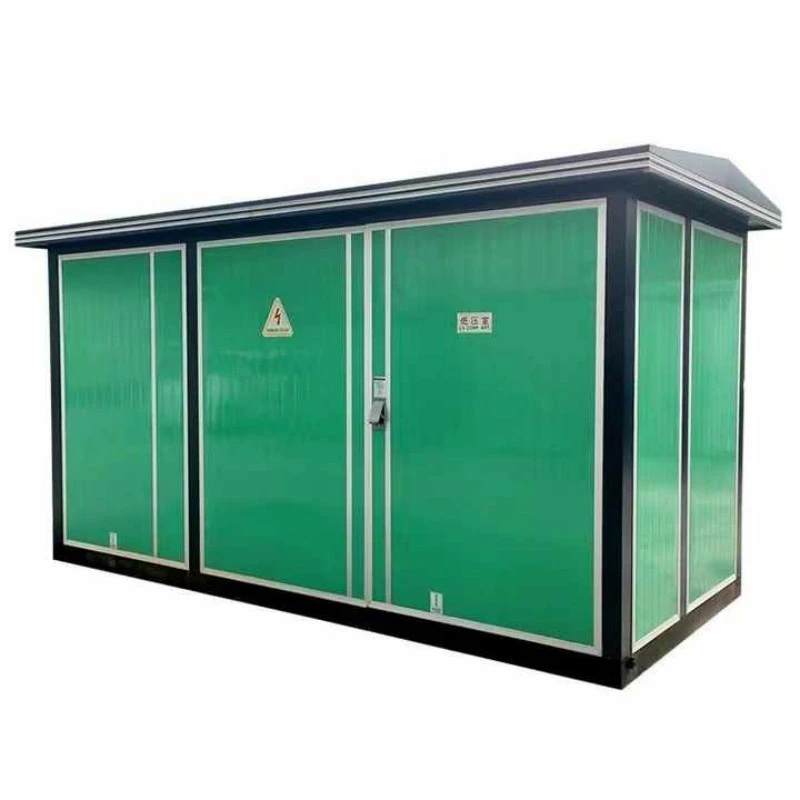
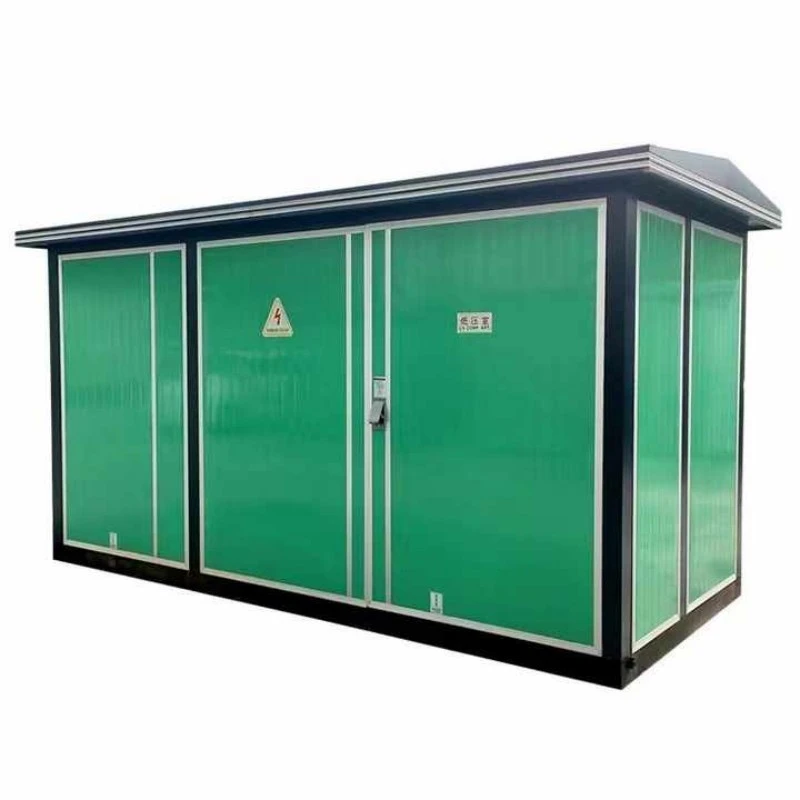
A coastal substation site is one of the harshest environments for electrical equipment. Salt-laden air, high humidity, wind-driven rain, and temperature fluctuations combine to attack every exposed surface. The Box-type Transformer Substation at such a site must protect the transformer, switchgear, and control equipment from these conditions. The enclosure's IP rating is the first line of defense. IP44 is a common specification for box-type substations: it provides protection against solid objects larger than 1mm and water splashing from any direction. But is IP44 sufficient for a coastal site? The answer depends on the specific conditions, the enclosure design, and the maintenance regime. For procurement managers and project engineers, understanding how IP44 performs in coastal environments is essential for specifying an enclosure that will protect the equipment over its service life.


This guide is written for buyers who are sourcing Box-type Transformer Substation enclosures for coastal or near-coastal sites. We will explain what IP44 means in practical terms, how it performs against salt spray, humidity, and wind-driven rain, the design features that enhance or undermine its performance, and the criteria for deciding whether IP44 is sufficient or whether a higher rating is required. We will also provide detailed product parameters from our factory at Lugao Power Co.,Ltd. Whether you are specifying a substation for a seaside resort, a port facility, or an offshore installation, this guide will help you make an informed decision about enclosure protection.

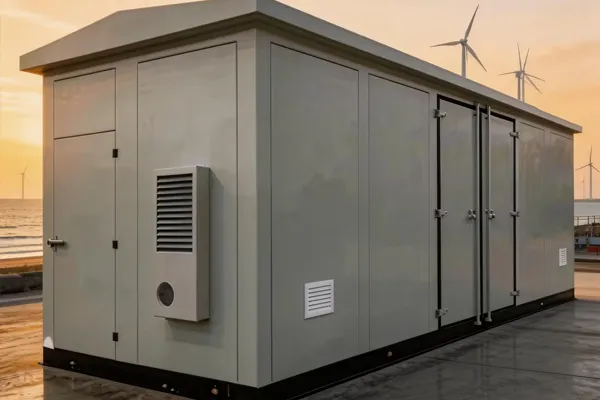
Wind Power Packaged European Type Substation


Table of Contents


1. What Does IP44 Actually Protect Against?

The IP code, defined by IEC 60529, uses two digits to describe an enclosure's protection against solids and liquids. The first digit indicates protection against solid objects; the second digit indicates protection against water. In the IP44 rating, the first digit (4) means the enclosure is protected against solid objects larger than 1mm, such as tools, wires, and small debris. The second digit (4) means the enclosure is protected against water splashing from any direction. This is not the same as protection against jets of water, immersion, or high-pressure washing. The table below explains what IP44 does and does not cover.

Protection Type IP44 Capability Not Covered
Solid Objects Protected against objects larger than 1mm Fine dust (requires IP6X)
Water Splash Protected against splashing from any direction Water jets, immersion, high-pressure washing
Salt Spray Not specifically addressed Corrosion resistance depends on materials
Humidity Not specifically addressed Condensation control requires additional measures
Wind-Driven Rain Partially covered (splash test only) High-velocity rain may penetrate

At Lugao Power Co.,Ltd., our factory manufactures Box-type Transformer Substation enclosures with IP44 as a standard rating. We understand that coastal sites require more than the minimum IP44 protection, and we design our enclosures with additional features to address salt spray, humidity, and wind-driven rain. Our engineering team can help you determine whether IP44 is sufficient for your specific site conditions.


2. How Does Salt Spray Attack an IP44 Enclosure?

Salt spray is the most aggressive environmental factor at a coastal site. Airborne salt particles settle on the enclosure surface and, in the presence of moisture, form a highly corrosive electrolyte. This electrolyte attacks painted surfaces, galvanized steel, and even stainless steel, causing pitting, rust, and eventual structural degradation. An IP44 enclosure is not immune to salt spray. The rating addresses the ingress of water and solid objects, but it does not address the chemical attack of salt on the enclosure materials. The long-term performance of an IP44 enclosure in a coastal site depends on the corrosion resistance of the materials and the coatings used. The table below summarizes the salt spray exposure levels and the recommended protection.

Exposure Level Distance from Coast Salt Spray Concentration Recommended Protection
Severe < 1 km High Hot-dip galvanized + epoxy coating, stainless steel hardware
Moderate 1 - 5 km Medium Galvanized + powder coating
Light 5 - 20 km Low Powder coating, regular inspection

At our factory, we manufacture Box-type Transformer Substation enclosures with hot-dip galvanized steel and epoxy coatings for coastal applications. We also use stainless steel hardware and seals to resist salt spray corrosion. Our engineering team can advise on the appropriate material and coating specification for your site's exposure level.


3. Why Is Wind-Driven Rain a Greater Threat Than Splash?

The IP44 rating tests the enclosure against water splashing from any direction. This test simulates a gentle spray, not the high-velocity rain that occurs during a coastal storm. Wind-driven rain can penetrate gaps that would resist a simple splash. The wind pressure forces water into seams, around door seals, and through cable entry points. An IP44 enclosure that performs well in a laboratory splash test may still allow water ingress during a severe storm. The table below compares the conditions of the IP44 splash test with the conditions of wind-driven rain.

Parameter IP44 Splash Test Wind-Driven Rain
Water Velocity Low High (wind-driven)
Direction All directions (splash) Horizontal to 45 degrees
Duration Short Extended (hours)
Penetration Risk Low High (seams, seals, entries)
Recommended Protection IP44 minimum IP55 or higher, with additional sealing

At Lugao, our factory designs Box-type Transformer Substation enclosures with additional sealing features to resist wind-driven rain. We use double-lip door seals, overlapping roof edges, and sealed cable entries. We also offer optional rain hoods and louvered vents with moisture separators. Our goal is to provide enclosures that perform reliably in the most demanding coastal conditions.


4. What Design Features Determine Whether IP44 Holds Up?

The IP44 rating is a minimum standard, and the actual performance of an enclosure depends on the design features that support it. The door seals, the roof design, the cable entry, the ventilation, and the material selection all affect whether the enclosure will protect the equipment in a coastal environment. A well-designed IP44 enclosure can outperform a poorly designed IP55 enclosure. The table below summarizes the design features that determine IP44 performance.

Feature Requirement Impact on IP44 Performance
Door Seals Double-lip EPDM or silicone Prevents water ingress at doors
Roof Design Overlapping edge, sloped Deflects rain away from seams
Cable Entry Sealed glands, downward entry Prevents water tracking along cables
Ventilation Louvered with moisture separator Allows airflow without water ingress
Material Galvanized steel, epoxy coating Resists salt spray corrosion
Hardware Stainless steel Prevents corrosion of fasteners

At our factory, we incorporate these design features into every Box-type Transformer Substation enclosure we manufacture. We use double-lip seals, overlapping roof edges, and sealed cable entries as standard. We also offer optional upgrades, such as stainless steel hardware and enhanced coatings, for severe coastal environments. Our goal is to provide enclosures that deliver reliable performance even when the IP44 rating alone would not be sufficient.


5. When Should Buyers Specify a Higher IP Rating?

In some coastal locations, IP44 is not sufficient, and a higher IP rating should be specified. The decision depends on the distance from the coast, the exposure to wind-driven rain, the presence of salt spray, and the criticality of the equipment. As a general guideline, IP44 is adequate for sites more than 5 km from the coast with moderate rainfall. For sites within 5 km of the coast, or for sites exposed to severe storms, IP55 or IP66 should be considered. The table below provides a decision framework.

Site Condition Recommended IP Rating Additional Measures
Inland, moderate rainfall IP44 Standard design
Coastal, 5-20 km IP44 or IP55 Enhanced coating, regular inspection
Coastal, 1-5 km IP55 Double seals, stainless hardware
Coastal, < 1 km IP66 Full sealing, corrosion-resistant materials
Offshore / splash zone IP66 or higher Specialized enclosure, pressure testing

At Lugao, our factory manufactures Box-type Transformer Substation enclosures in IP44, IP55, and IP66 ratings. We work with our customers to determine the appropriate rating for their specific site conditions. Our engineering team can review your site data and recommend the enclosure specification that will provide reliable protection over the life of the equipment.


6. How Do You Evaluate a Box-type Transformer Substation Supplier?

Evaluating a supplier of Box-type Transformer Substation enclosures for coastal sites requires a focus on material quality, coating systems, sealing design, and testing. The supplier must use high-quality steel and proven coating systems that resist salt spray. They must design the enclosure with effective sealing against wind-driven rain. And they must test the enclosure to verify its IP rating and its corrosion resistance. The table below summarizes the evaluation criteria.

Evaluation Criterion What to Look For Why It Matters
Material Quality Hot-dip galvanized steel, stainless hardware Ensures corrosion resistance
Coating System Epoxy or polyurethane coating, certified Protects against salt spray
Sealing Design Double-lip seals, overlapping roof Prevents wind-driven rain ingress
IP Testing Third-party IP rating certification Verifies enclosure protection
Corrosion Testing Salt spray test reports Verifies coating performance

At our factory, we use hot-dip galvanized steel and certified epoxy coatings for our Box-type Transformer Substation enclosures. We test every design to verify its IP rating and its corrosion resistance. We provide salt spray test reports and IP certification with every shipment. We invite you to evaluate us against these criteria and to consider us as your partner for coastal substation enclosures.


7. What Are the Key Product Parameters from Our Factory?

The following table provides the key product parameters for our Box-type Transformer Substation enclosures. These enclosures are designed for coastal and near-coastal sites, with IP44 as a standard rating and IP55 or IP66 available for higher exposure levels. Our factory can also produce custom enclosures to meet specific requirements.

Parameter Specification Range Notes
IP Rating IP44, IP55, IP66 Selected for site exposure
Enclosure Material Hot-dip galvanized steel, stainless steel Selected for corrosion resistance
Coating Epoxy, polyurethane Certified for salt spray resistance
Door Seals Double-lip EPDM or silicone Standard on all models
Cable Entry Sealed glands, downward entry Prevents water tracking
Ventilation Louvered with moisture separator Optional for high-humidity sites
Operating Temperature -25°C to +55°C Coastal climates
MOQ 1 unit Negotiable for large orders
Lead Time 6 - 10 weeks Depends on quantity and customization

At our factory, we manufacture our Box-type Transformer Substation enclosures to meet these specifications and more. We can customize the IP rating, materials, coatings, and sealing features to suit your specific site conditions. Our quality control system includes inspection of raw materials, in-process inspection, and final inspection before shipment. Our goal is to provide our customers with high-quality enclosures that protect their equipment in coastal environments.


8. Frequently Asked Questions (FAQ)

Question 1: Is IP44 enough for a coastal box-type transformer substation?

Answer: IP44 can be sufficient for coastal sites more than 5 km from the coast with moderate rainfall, provided that the enclosure has good corrosion protection and well-designed seals. For sites within 5 km of the coast, or for sites exposed to severe storms and salt spray, a higher rating such as IP55 or IP66 is recommended. The decision should be based on the specific site conditions and the criticality of the equipment.

Question 2: How does salt spray affect an IP44 enclosure?

Answer: Salt spray attacks the enclosure materials, not the IP rating itself. The IP44 rating addresses water and solid ingress, but it does not address chemical corrosion. In a coastal site, salt particles settle on the enclosure and, with moisture, form a corrosive electrolyte that attacks painted surfaces, galvanized steel, and hardware. The long-term performance of an IP44 enclosure depends on the corrosion resistance of the materials and coatings used.

Question 3: What is the difference between IP44 and IP55?

Answer: The first digit is the same (4), meaning both ratings protect against solid objects larger than 1mm. The second digit differs: IP44 protects against water splashing from any direction, while IP55 protects against water jets from any direction. IP55 is more suitable for sites exposed to wind-driven rain or low-pressure washing.

Question 4: How can I improve the performance of an IP44 enclosure in a coastal site?

Answer: You can improve performance by specifying enhanced corrosion protection (hot-dip galvanizing plus epoxy coating), stainless steel hardware, double-lip door seals, overlapping roof edges, and sealed cable entries. Regular inspection and maintenance are also important. If the site is severe, consider upgrading to IP55 or IP66.

Question 5: What maintenance is required for a coastal substation enclosure?

Answer: Coastal substation enclosures should be inspected every 6 to 12 months for signs of corrosion, seal degradation, and water ingress. Clean the enclosure surface to remove salt deposits, and touch up any damaged coating. Replace door seals if they show cracks or hardening. Check cable entries for proper sealing. Regular maintenance extends the life of the enclosure and ensures that the IP rating remains effective.


9. Conclusion

IP44 provides a baseline level of protection for a Box-type Transformer Substation, but its performance in a coastal site depends on the enclosure design, the materials, and the maintenance regime. The rating addresses water splash and solid objects, but it does not address salt spray corrosion or wind-driven rain. For sites within 5 km of the coast, a higher IP rating such as IP55 or IP66, combined with enhanced corrosion protection and sealing, is often the better choice. At Lugao Power Co.,Ltd., our factory manufactures Box-type Transformer Substation enclosures in IP44, IP55, and IP66 ratings, with the corrosion protection and sealing features required for coastal environments. We work with our customers to select the right enclosure for their site conditions.

Whether you are specifying a substation for a seaside resort, a port facility, or an offshore installation, we invite you to contact us to discuss your requirements. We can provide technical data, corrosion test reports, and customized solutions. Our commitment to quality and customer satisfaction has made us a trusted partner for power projects around the world.

Contact Lugao Power Co.,Ltd. today to discuss your Box-type Transformer Substation requirements and discover how our enclosures can perform in your coastal site.

Related News
Leave me a message
X
We use cookies to offer you a better browsing experience, analyze site traffic and personalize content. By using this site, you agree to our use of cookies. Privacy Policy
RejectAccept