News

How to Choose the Right Box-Type Substation for Your Project

2026-05-06 0 Leave me a message
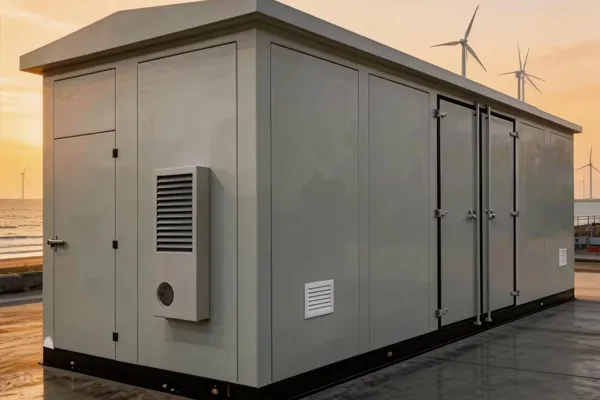
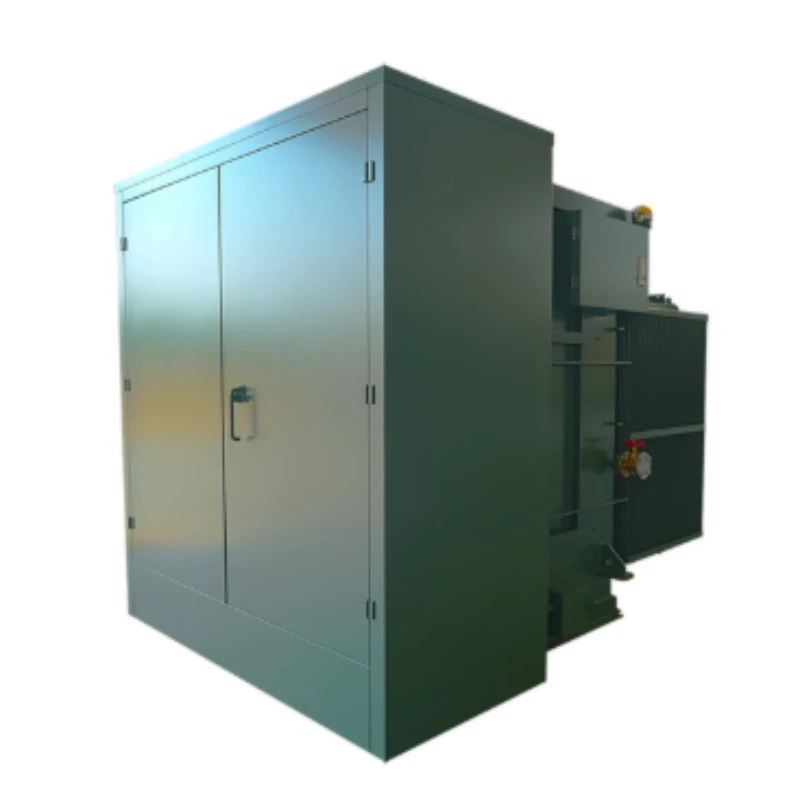
A Box-Type Substation is a compact power distribution solution that integrates high-voltage switchgear, transformer, low-voltage distribution equipment and protection devices into one prefabricated enclosure. It is widely used in industrial parks, commercial buildings, residential communities, renewable energy projects, mining sites and temporary power supply systems.

Box-Type Substation

As a power transmission and distribution equipment manufacturer, Lugao provides transformers, switchgear, circuit breakers, disconnectors, lightning arresters, CT/PT/VT and customized OEM/ODM solutions for utility, industrial and infrastructure projects. Based on project requirements, Lugao can support customers with technical configuration, product selection and customized substation solutions.

What Is a Box-Type Substation?

A Box-Type Substation is also known as a prefabricated substation or compact substation. It is designed to receive medium-voltage power, transform it to low voltage, and distribute electricity safely to end users.

Main Components

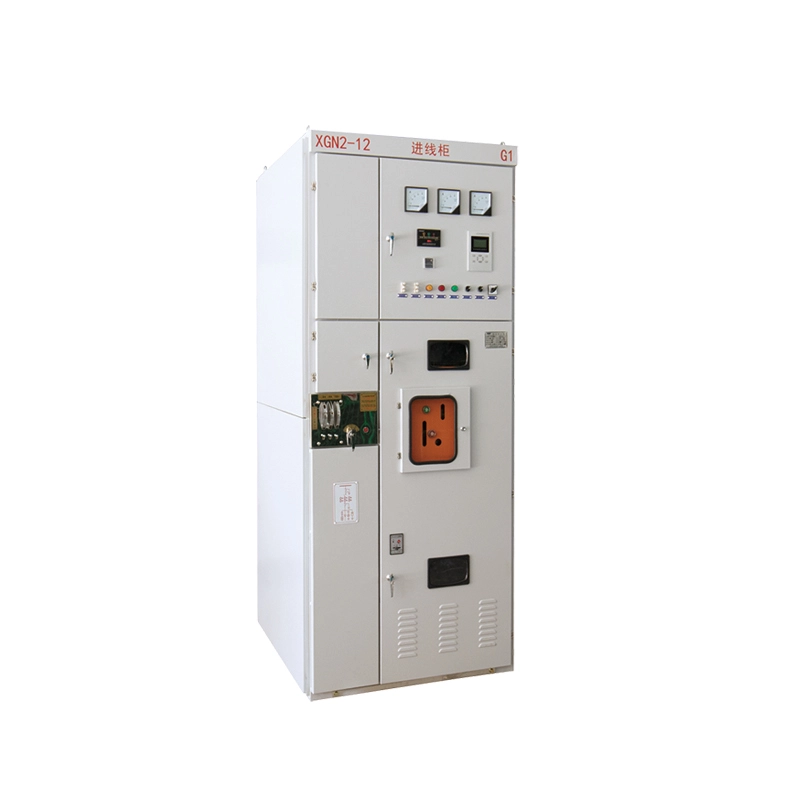
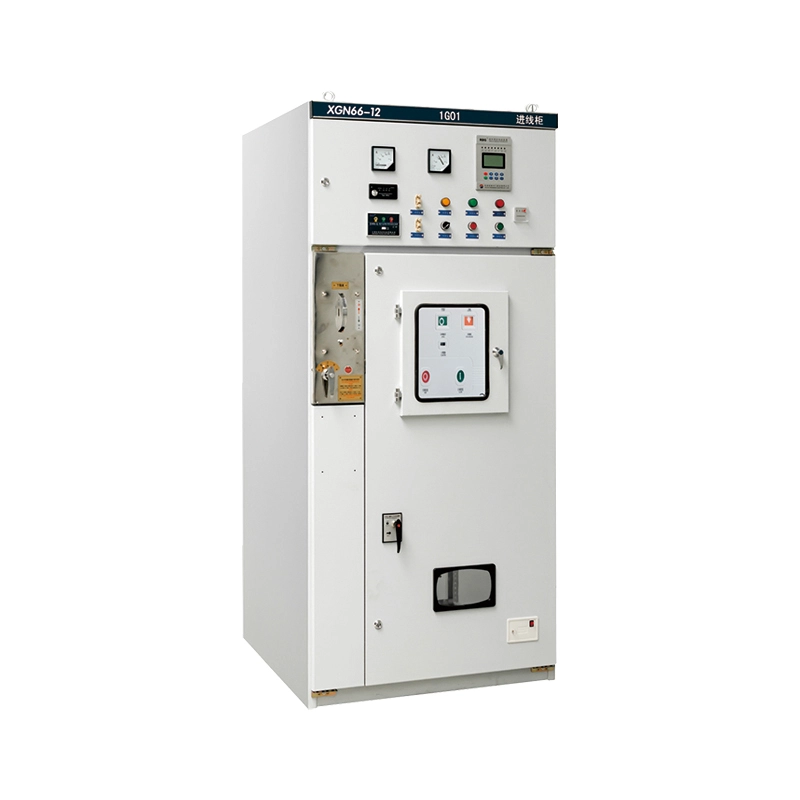
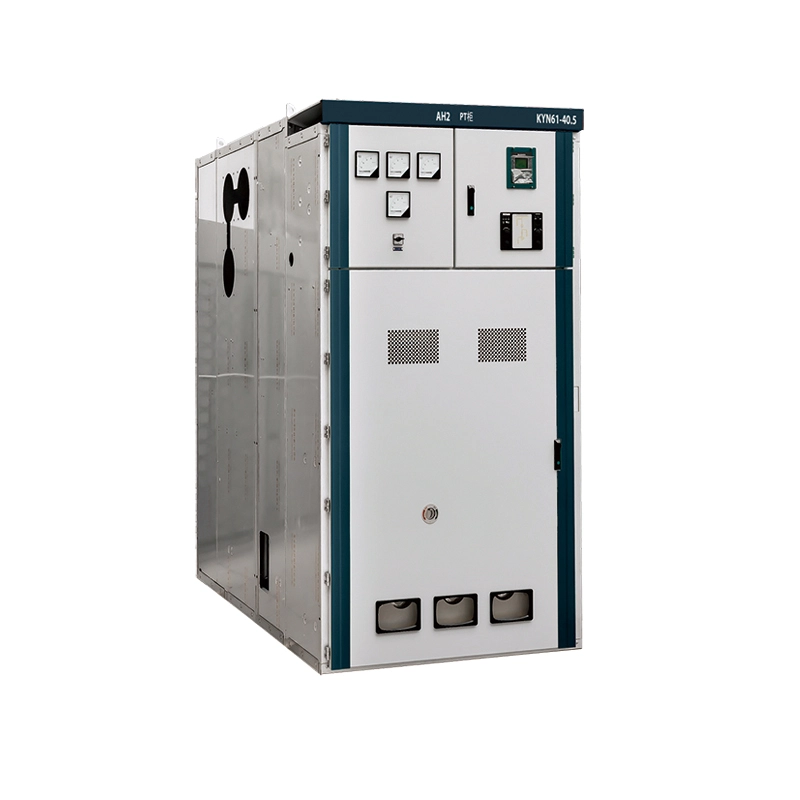
  • High-voltage unit: Used for incoming power control, protection and switching.
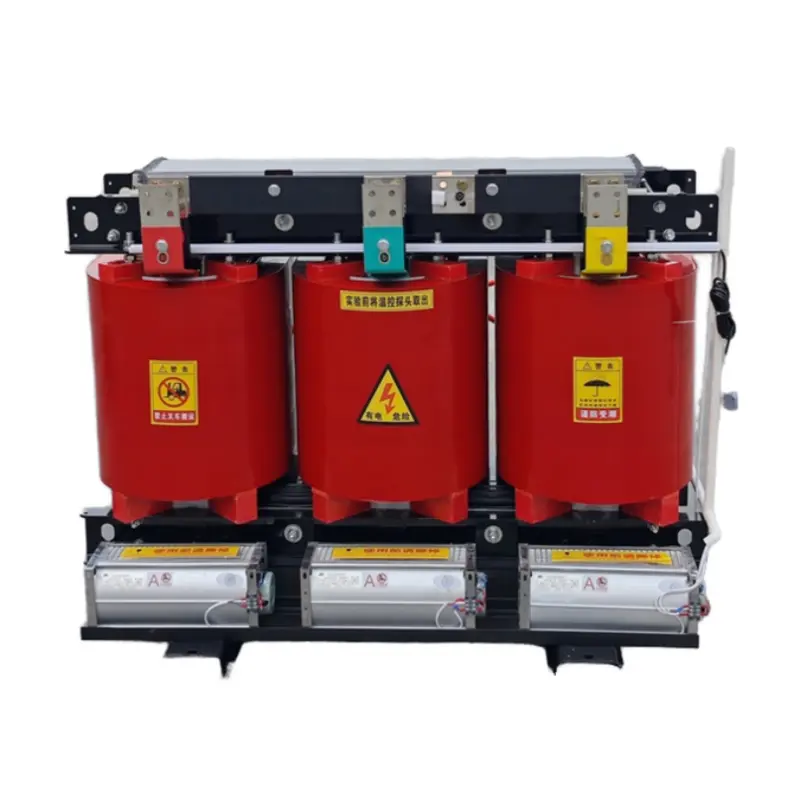
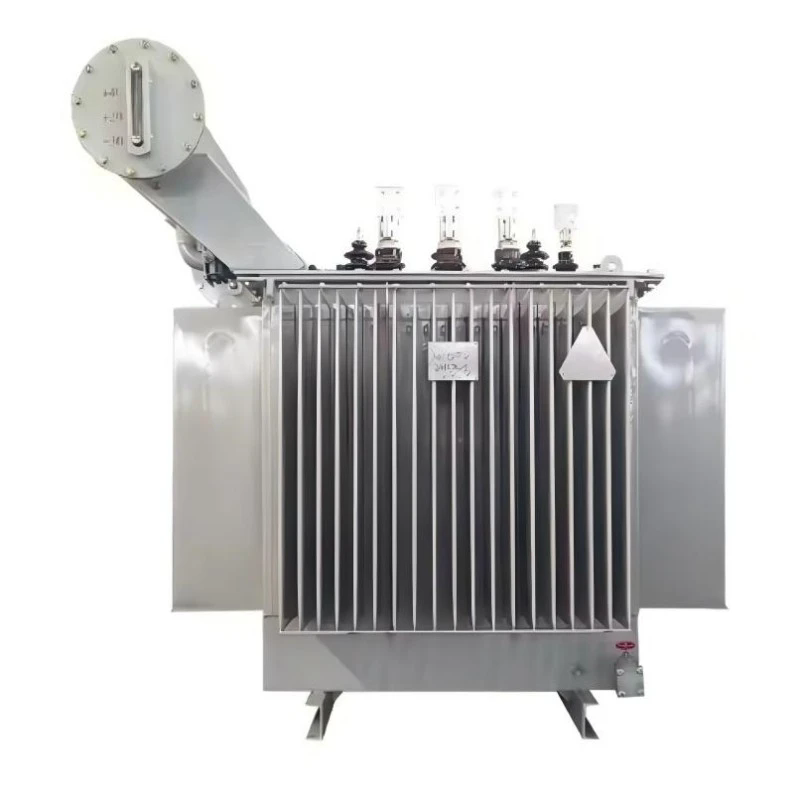
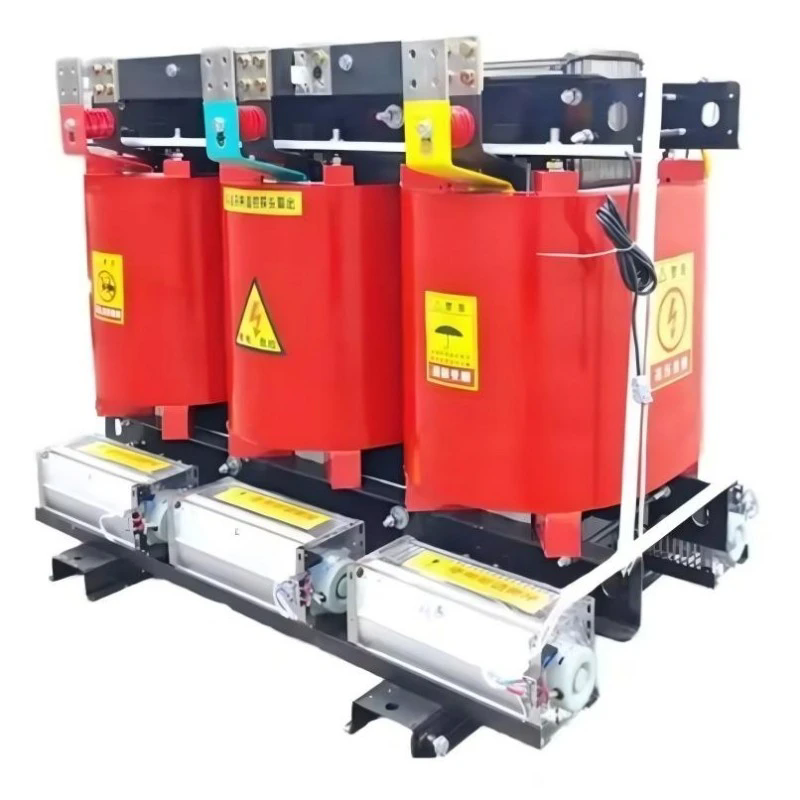
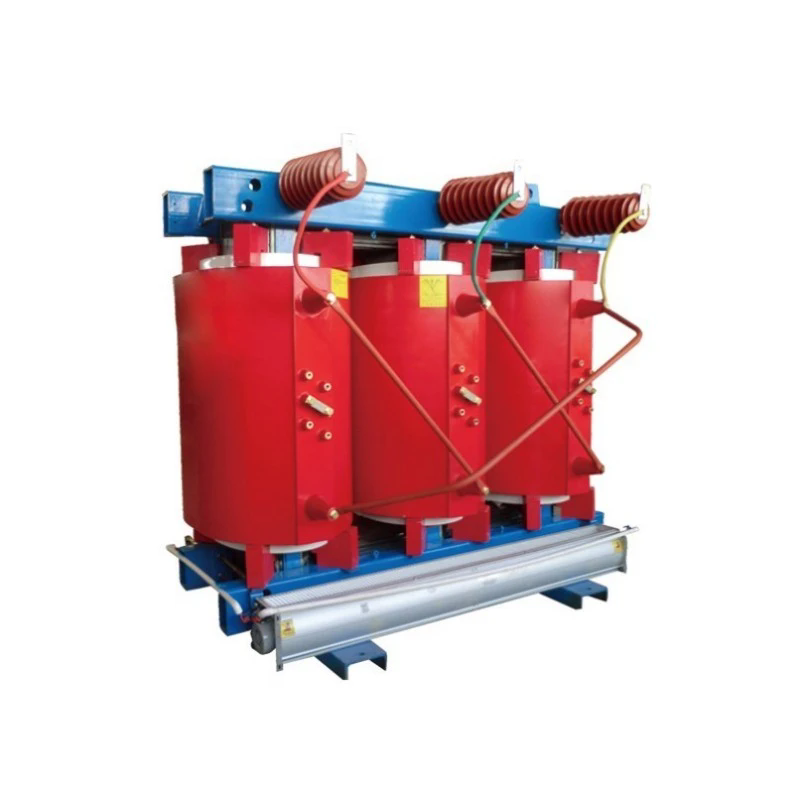
  • Transformer unit: Converts voltage to meet project distribution requirements.
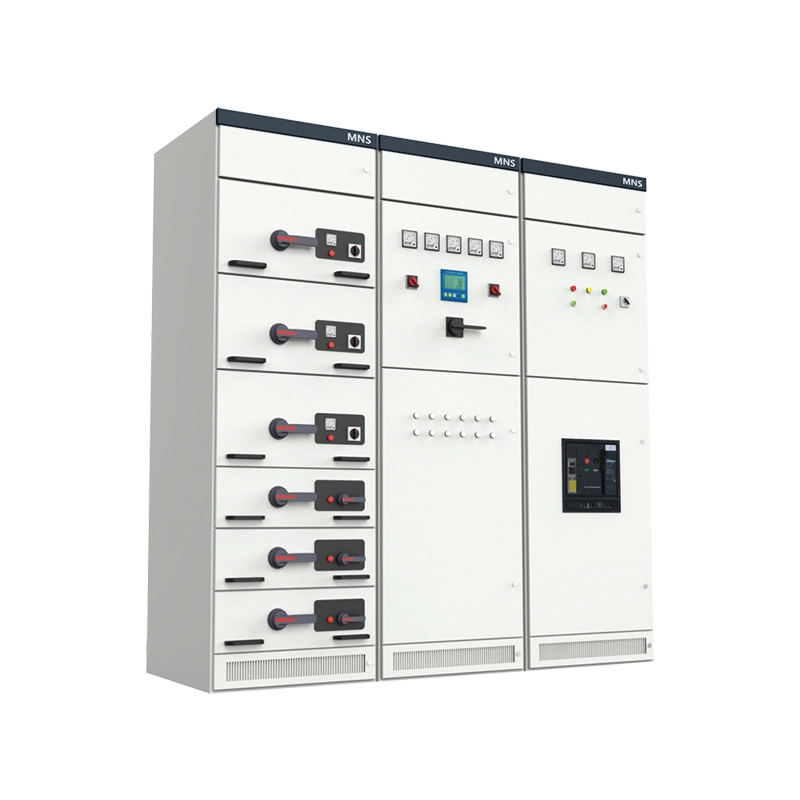
  • Low-voltage unit: Distributes power to electrical loads and final circuits.
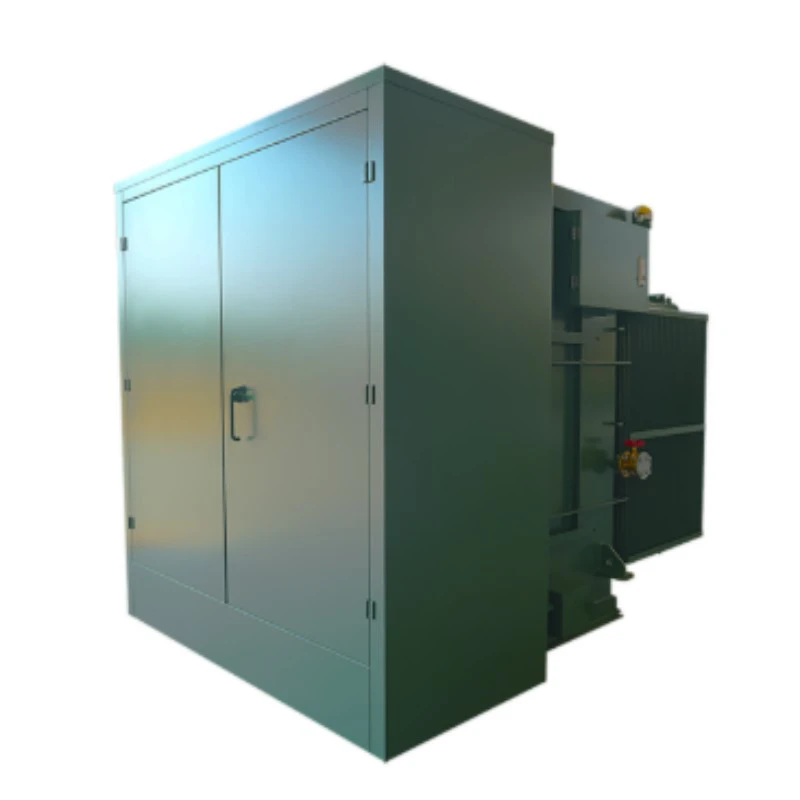
  • Enclosure: Protects internal equipment from weather, dust and external impact.
  • Protection devices: Help ensure safe operation during overload, short circuit or fault conditions.

Why Project Owners Choose Box-Type Substations

  • Compact structure: Saves installation space compared with traditional substations.
  • Fast installation: Factory-assembled design reduces on-site construction time.
  • Flexible application: Suitable for industrial, commercial, municipal and renewable energy projects.
  • Reliable protection: Enclosed structure improves equipment safety and operation stability.
  • Custom configuration: Can be designed according to voltage level, capacity, layout and site conditions.

Key Factors When Choosing a Box-Type Substation

1. Confirm the Voltage Level

The voltage level should match the grid connection and load requirements of the project. Common configurations include medium-voltage input and low-voltage output for distribution networks.

  • Check the incoming grid voltage.
  • Confirm the required output voltage for end-use equipment.
  • Ensure compliance with local electrical standards and project specifications.

2. Calculate Transformer Capacity

Transformer capacity is one of the most important selection factors. Undersized capacity may cause overload, while oversized capacity can increase investment and energy loss.

  • Calculate total connected load.
  • Consider load growth for future expansion.
  • Evaluate peak demand and continuous operation requirements.
  • Select the transformer type based on efficiency, environment and maintenance needs.

3. Evaluate the Installation Environment

Site conditions directly affect enclosure design, insulation level, ventilation and protection grade.

  • Outdoor installation: Requires weatherproof, anti-corrosion and ventilation design.
  • High-temperature areas: Need proper heat dissipation and transformer cooling.
  • Dusty or humid environments: Require higher enclosure protection and sealing performance.
  • High-altitude sites: May require special insulation design and technical adjustment.

4. Choose the Right Layout

The internal layout should support safe operation, easy maintenance and efficient cable connection.

  • European-style layout: Commonly used for compact and integrated distribution systems.
  • American-style layout: Often used where transformer and switching functions are closely integrated.
  • Customized layout: Suitable for projects with special space, cable direction or operation requirements.

5. Review Protection and Safety Requirements

Safety design should cover electrical protection, mechanical protection and operator safety.

  • Overload and short-circuit protection
  • Grounding system design
  • Interlocking and operation safety measures
  • Arc protection and fault isolation options
  • Clear warning labels and maintenance access

Box-Type Substation Selection Table

Selection Factor What to Check Why It Matters Recommended Action
Voltage Level Incoming voltage and output voltage Ensures compatibility with the grid and electrical loads Confirm project drawings and local grid requirements before selection
Transformer Capacity Total load, peak demand and future expansion Prevents overload and avoids unnecessary investment Select capacity based on actual load calculation and reserve margin
Installation Environment Outdoor/indoor site, temperature, humidity, dust and altitude Affects enclosure protection, insulation and cooling performance Choose suitable protection grade, ventilation and anti-corrosion design
Switchgear Configuration Incoming cabinet, outgoing cabinet, metering and protection units Determines power control, protection and operation flexibility Configure according to distribution scheme and maintenance requirements
Safety Protection Grounding, interlocking, fault protection and warning systems Improves operator safety and system reliability Follow applicable electrical standards and project safety specifications
Customization Needs Dimensions, color, layout, cable entry and OEM/ODM requirements Helps the equipment fit project site and brand requirements Work with an experienced manufacturer such as Lugao for customized design

Common Application Scenarios

Industrial Projects

  • Factories and production lines
  • Mining and heavy industry sites
  • Industrial parks and manufacturing bases

Commercial and Public Facilities

  • Shopping centers and office buildings
  • Hospitals, schools and municipal facilities
  • Residential communities and urban distribution networks

Renewable Energy Projects

  • Solar power plants
  • Wind power collection systems
  • Energy storage and distributed generation projects

Why Choose Lugao for Box-Type Substation Solutions?

Choosing the right supplier is as important as selecting the right equipment. Lugao supports global power projects with manufacturing experience, broad product coverage and engineering-oriented service.

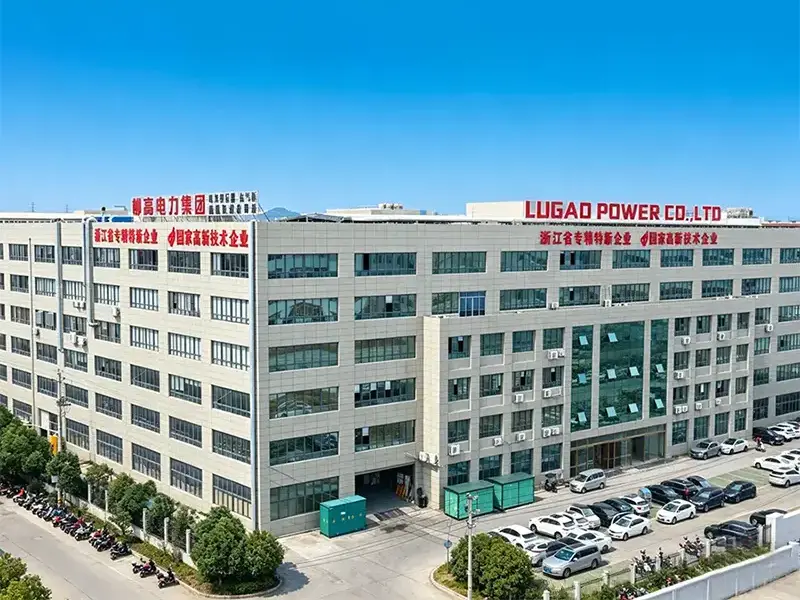
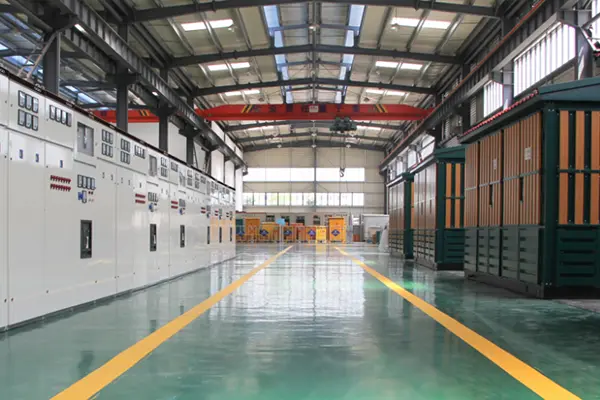
lugao factorylugao factory

Lugao Advantages

  • Experience in power transmission and distribution equipment manufacturing
  • Product range covering transformers, switchgear and related protection equipment
  • Customized OEM/ODM solutions for different project specifications
  • Support for utility, industrial, infrastructure and renewable energy applications
  • Technical assistance for configuration, layout and equipment selection

Conclusion

The right Box-Type Substation should be selected according to voltage level, transformer capacity, installation environment, protection requirements and future expansion needs. By working with an experienced manufacturer like Lugao, project owners can improve installation efficiency, system safety and long-term power distribution reliability.

Related News
Leave me a message
X
We use cookies to offer you a better browsing experience, analyze site traffic and personalize content. By using this site, you agree to our use of cookies.Privacy Policy
RejectAccept