News

What Makes Dry Type Transformers Ideal for Green Building Certifications?

2026-09-17 0 Leave me a message

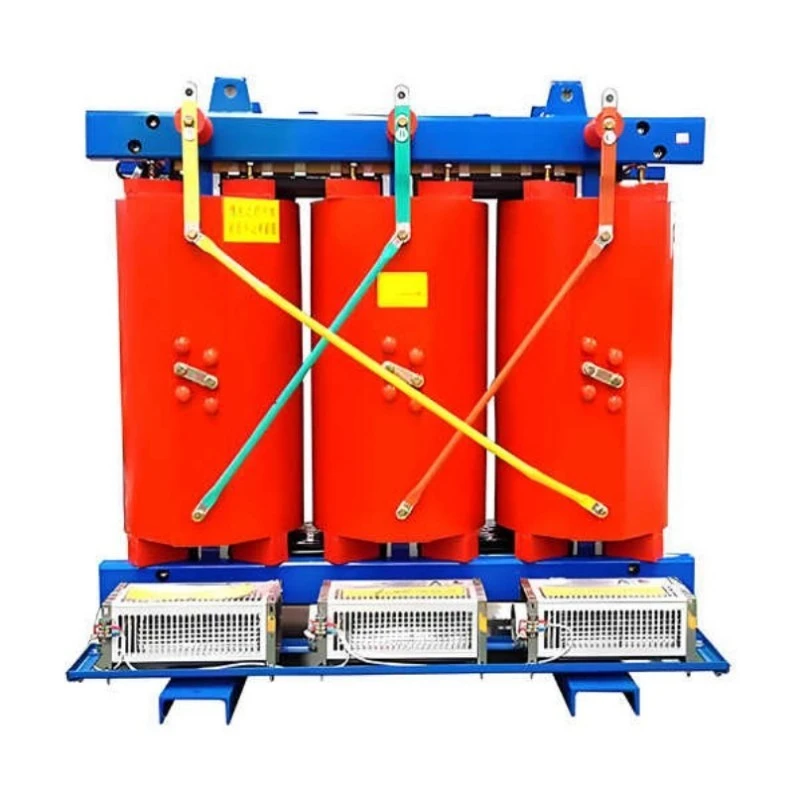
In the race to achieve LEED Platinum or Green Mark certification, building developers scrutinize every component of the electrical infrastructure. Lighting, HVAC, and renewable energy systems receive the most attention. But one component often overlooked is the transformer. A conventional oil-filled transformer contains hundreds of liters of flammable dielectric fluid, requires containment systems for spill prevention, and contributes to the building's overall carbon footprint through no-load losses. A Dry Type Transformer, by contrast, eliminates these liabilities entirely. It uses air and solid insulation instead of oil, removes the risk of fire and environmental contamination, and can be engineered to achieve the highest energy efficiency classes.


The question of why Dry Type Transformers are ideal for green building certifications is not simply about checking a box. It is about a fundamental alignment between the transformer's operating characteristics and the certification criteria that green building programs evaluate. LEED, for example, awards points for fire safety, indoor environmental quality, energy performance, and innovation in design. A Dry Type Transformer contributes to all of these categories, often without the additional cost of fire-rated vaults or oil containment systems that oil-filled units require. At Lugao Power Co.,Ltd., our factory has supplied Dry Type Transformers to green building projects across Asia and the Middle East, and we have documented the specific certification credits that our products help achieve. This article will examine the technical and regulatory factors that make Dry Type Transformers the preferred choice for sustainable construction.

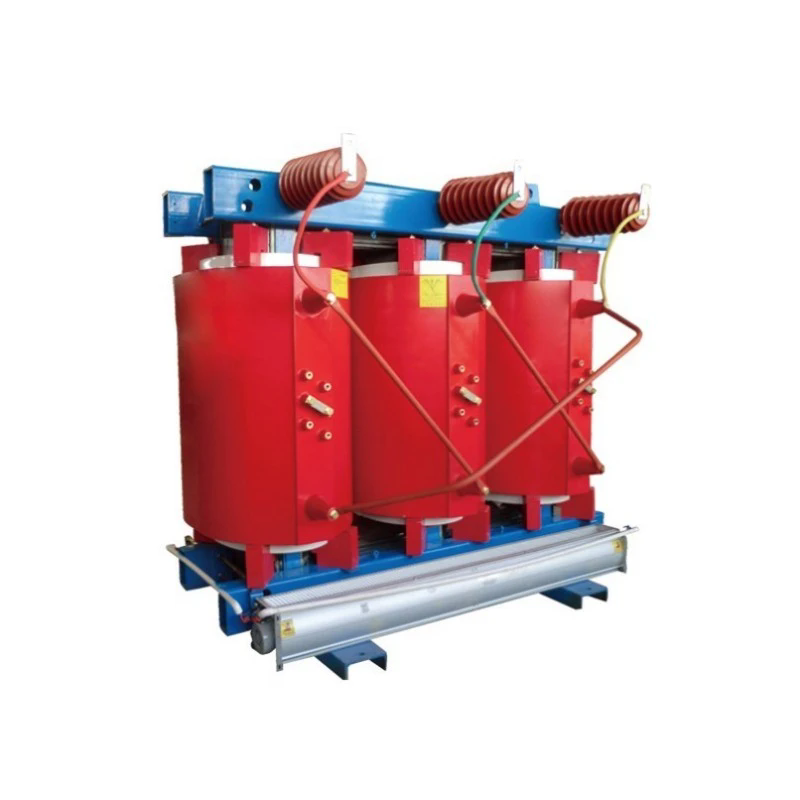
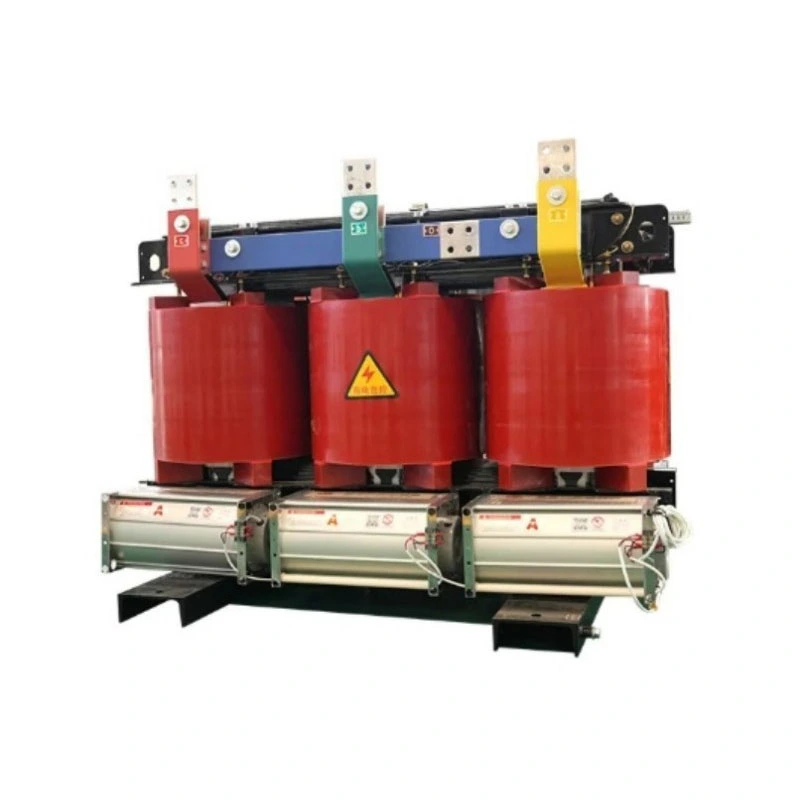
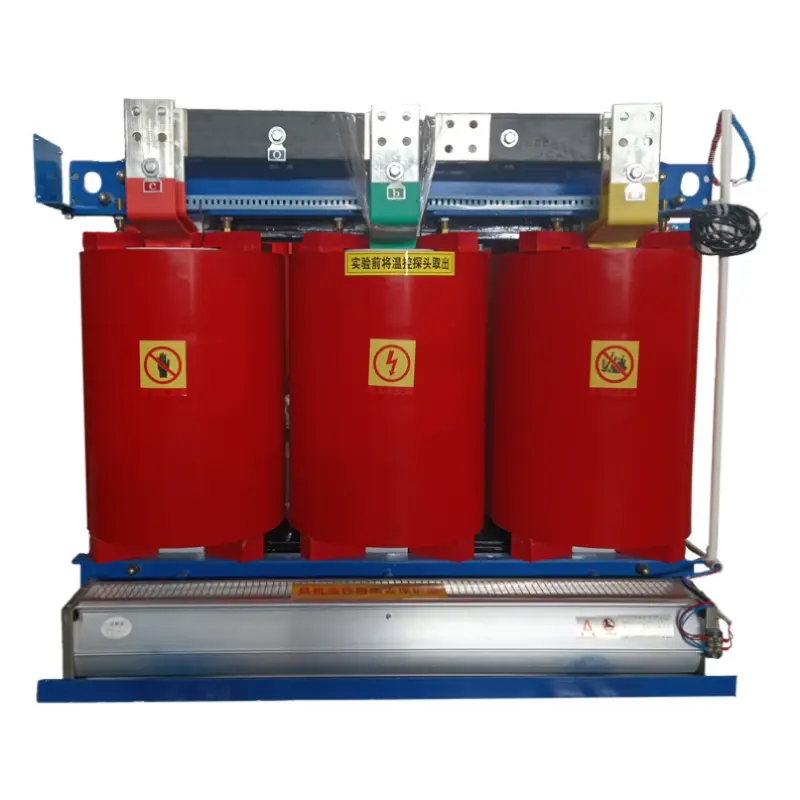
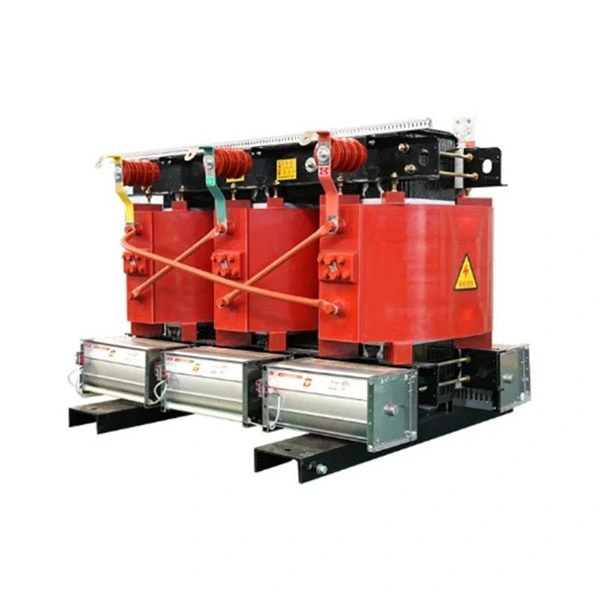
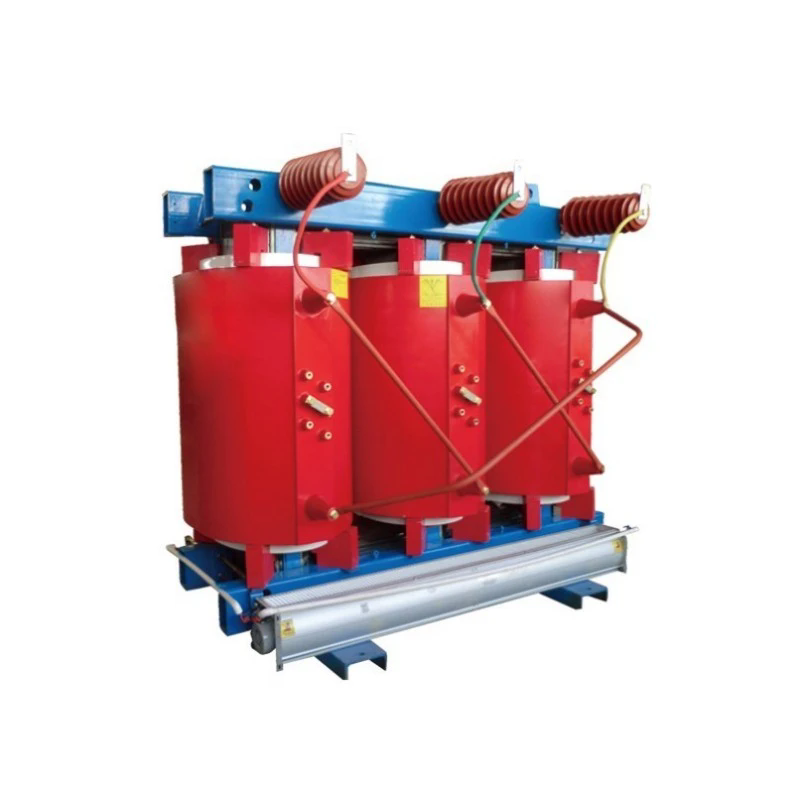
SCB13 Copper Winding Dry Type Power Transformer


Table of Contents


1. The Fire Safety Advantage: Why Oil-Free Matters for Green Buildings

The most immediate and measurable benefit of a Dry Type Transformer for green building certification is fire safety. Oil-filled transformers contain hundreds of liters of flammable mineral oil. In the event of an internal fault, this oil can ignite, creating a fire that is extremely difficult to extinguish. Building codes in most jurisdictions recognize this risk and require oil-filled transformers installed indoors to be housed in fire-rated vaults with complex fire suppression systems. A Dry Type Transformer eliminates this requirement entirely. It contains no flammable liquid. Its insulation system, typically cast epoxy resin, is self-extinguishing and does not emit toxic gases even when exposed to extreme heat.

The impact on certification is direct. LEED and other green building rating systems award points for fire safety and for reducing the use of hazardous materials. A Dry Type Transformer that is certified to Fire Class F1 (the highest fire safety classification under IEC 60076-11) provides documented evidence that the building's electrical infrastructure is designed to minimize fire risk. This documentation can be submitted as part of the certification application. Moreover, the elimination of the fire-rated vault eliminates a significant construction cost. A 2021 hospital retrofit project in the United States saved $480,000 in fireproofing expenses by installing dry-type transformers directly in patient care wings instead of oil-filled units in a separate vault.

The table below summarizes the fire safety comparison between Dry Type and oil-filled transformers for green building applications.

Fire Safety Parameter Dry Type Transformer Oil-Filled Transformer
Flammable Liquid Content None Hundreds of liters of mineral oil
Fire Class Rating F1 (highest, IEC 60076-11) Not applicable (inherent fire risk)
Fire-Rated Vault Required No Yes (indoor installations)
Fire Suppression System Not required Required
Toxic Gas Emission None (self-extinguishing resin) Potential toxic smoke
LEED Credit Contribution Yes (fire safety, hazardous material reduction) Limited

At Lugao, our Dry Type Transformers are tested and certified to Fire Class F1, the most stringent fire safety standard in IEC 60076-11. This certification is not just a label; it is the result of rigorous testing that includes exposure to open flame and measurement of smoke toxicity. For building projects seeking LEED Gold or Platinum certification, the F1 certification provides documented compliance with the fire safety prerequisites that green building programs require.


2. Energy Efficiency: The Certification Metric That Drives Transformer Selection

Energy efficiency is the most heavily weighted category in most green building certification programs. LEED awards up to 18 points for optimized energy performance. The transformer, which operates continuously and consumes energy even when the building is empty, is a critical component in the building's overall energy profile. A Dry Type Transformer can be engineered to achieve the highest efficiency classes, minimizing both no-load losses (the energy consumed when the transformer is energized but not supplying a load) and load losses (the energy lost as heat when supplying a load).

The efficiency of a transformer is measured by its energy efficiency class. The highest class, often designated as Level 1 or IE3, represents the best available technology. A Dry Type Transformer in this class can achieve no-load losses that are 60-80% lower than conventional transformers. For a 2,500 kVA transformer, the annual energy savings can exceed 20,000 kWh, translating to a carbon reduction of approximately 15 tons per year. This reduction contributes directly to the building's energy performance rating and its carbon footprint reduction targets.

The following table provides typical efficiency data for a Dry Type Transformer in the highest efficiency class compared to a standard transformer.

Parameter High-Efficiency Dry Type Transformer Standard Transformer
Efficiency Class Level 1 (IE3 equivalent) Level 3 (IE1 equivalent)
No-Load Loss (2500 kVA) ~1,800 W ~6,500 W
Load Loss (2500 kVA) ~18,000 W ~22,000 W
Annual Energy Consumption ~175,000 kWh ~250,000 kWh
Annual CO2 Reduction ~15 tons Baseline

At our factory, we engineer our Dry Type Transformers using advanced core materials, including high-permeability silicon steel and amorphous alloy. Amorphous alloy cores, in particular, offer a dramatic reduction in no-load losses because the material's atomic structure does not have the crystalline boundaries that generate hysteresis losses in conventional steel. For green building projects where the transformer will operate at low load factors for extended periods—such as in office buildings or data centers—an amorphous alloy Dry Type Transformer can deliver the best possible energy performance. This performance translates directly into LEED energy credits and lower operating costs for the building owner.


3. Environmental Compliance: Eliminating Spill Risk and Hazardous Materials

The environmental impact of a transformer is determined not only by its energy consumption but also by the materials it contains and the risks it poses during its service life. Oil-filled transformers contain dielectric fluid that can leak or spill, contaminating soil and groundwater. In older units, this fluid may contain polychlorinated biphenyls (PCBs), which are classified as hazardous waste. Even modern mineral oil poses an environmental risk if released. A Dry Type Transformer eliminates this risk entirely. It contains no liquid dielectric. Its insulation is solid epoxy resin, and its cooling is provided by ambient air.

For green building certification, the elimination of hazardous materials is a significant advantage. LEED and other rating systems award points for reducing the use of hazardous materials and for preventing pollution. A Dry Type Transformer contributes to these credits in several ways. First, it eliminates the need for oil containment systems, such as berms or secondary containment vaults, that oil-filled transformers require. Second, it eliminates the risk of soil and water contamination from oil leaks. Third, it simplifies the end-of-life disposal process, as there is no hazardous liquid to manage.

The table below compares the environmental impact of Dry Type and oil-filled transformers across the lifecycle.

Environmental Factor Dry Type Transformer Oil-Filled Transformer
Spill Risk None (no liquid) High (oil leakage, spill risk)
Containment System Required No Yes (berms, vaults, liners)
Hazardous Material Content None (epoxy resin insulation) Potential PCB or mineral oil
End-of-Life Disposal Simplified (no hazardous liquid) Complex (oil treatment, disposal)
LEED Credit Contribution Yes (pollution prevention, hazardous material reduction) Limited

Our factory at Lugao Power Co.,Ltd. manufactures Dry Type Transformers with cast epoxy resin insulation that is free of halogen and other toxic components. This ensures that even in the unlikely event of a fire, the transformer does not release hazardous gases. For building projects in environmentally sensitive areas, such as near water sources or in protected zones, this environmental profile is essential for obtaining certification and for meeting the project's sustainability goals.


4. Space Efficiency and Indoor Installation Flexibility

Green building certification programs increasingly recognize the value of efficient space utilization. A building that uses less space for mechanical and electrical equipment has more space for revenue-generating or occupant-serving functions. A Dry Type Transformer offers a significant advantage in this area because it does not require the fire-rated vaults, oil containment systems, and clearance zones that oil-filled transformers demand. This allows the transformer to be installed closer to the load center, reducing cable lengths and the associated copper losses.

The space savings are substantial. An oil-filled transformer requires a dedicated vault with fire-rated walls, a spill containment system, and ventilation for cooling. A Dry Type Transformer can be installed directly in the electrical room, often in a compact enclosure. In a high-rise commercial building, this can free up hundreds of square feet of valuable floor space. A 2022 project in New York City installed eight dry-type transformers in a 12-foot by 15-foot electrical room that would have required a 20-foot by 25-foot vault for oil-filled units. The space savings translated directly into additional leasable area.

For green building certification, the space efficiency of a Dry Type Transformer contributes to credits for optimized site utilization and for reducing the building's overall footprint. The ability to install the transformer indoors, close to the load, also reduces the length of secondary cables, which reduces energy losses and the amount of copper used in the installation. This is a subtle but significant contribution to the building's overall sustainability performance.


5. Maintenance Reduction: The Hidden Sustainability Benefit

One of the most overlooked benefits of a Dry Type Transformer for green building certification is the reduction in maintenance requirements. An oil-filled transformer requires regular oil sampling, testing, filtration, and replacement. It also requires leak detection and repair. These activities consume resources, generate waste, and require the use of specialized personnel and equipment. A Dry Type Transformer eliminates almost all of these requirements. Its solid insulation system does not degrade in the same way as oil, and it does not require periodic testing or replacement.

The maintenance reduction has both direct and indirect sustainability benefits. Directly, it reduces the consumption of oil, filters, and other consumables. Indirectly, it reduces the frequency of service vehicle trips to the building, the use of cleaning chemicals, and the generation of hazardous waste. Over a 25-year lifecycle, a Dry Type Transformer requires approximately 40% of the maintenance hours of an oil-filled unit. For a building pursuing green certification, this reduction in maintenance activity supports credits for reduced operational impact and for sustainable site management.

The table below summarizes the maintenance comparison between Dry Type and oil-filled transformers.

Maintenance Activity Dry Type Transformer Oil-Filled Transformer
Oil Sampling and Testing Not required Annual (or more frequent)
Oil Filtration or Replacement Not required Every 5-10 years
Leak Detection and Repair Not required Periodic
Visual Inspection Annual Quarterly
Mean Time Between Maintenance 8.2 years 3.1 years
25-Year Maintenance Cost (Relative) 40% 100%

At Lugao Power Co.,Ltd., our Dry Type Transformers are designed for maintenance-free operation. The cast resin insulation is resistant to moisture, dust, and chemical corrosion, and the transformer requires no oil-related maintenance. For building owners pursuing green certification, this translates to lower operating costs, fewer disruptions to building occupants, and a smaller environmental footprint over the transformer's entire service life.


6. Frequently Asked Questions (FAQ)

Question 1: What specific LEED credits does a Dry Type Transformer contribute to?

Answer: A Dry Type Transformer can contribute to several LEED credits, including those for fire safety, reduced use of hazardous materials, optimized energy performance, and innovation in design. The exact credit contribution depends on the specific LEED version and the project's overall design. At Lugao Power Co.,Ltd., we provide documentation that supports the certification application, including fire safety certificates, energy efficiency test reports, and material composition declarations.

Question 2: Is a Dry Type Transformer more expensive than an oil-filled transformer for green building projects?

Answer: The initial purchase price of a Dry Type Transformer is typically 20-40% higher than an oil-filled unit of comparable capacity. However, when the total installed cost is considered—including the elimination of fire-rated vaults, oil containment systems, and fire suppression equipment—the Dry Type Transformer is often less expensive. A lifecycle cost analysis over 20 years shows that dry-type transformers have a 15-25% lower total cost of ownership for indoor applications.

Question 3: What is the maximum capacity available for Dry Type Transformers used in green buildings?

Answer: Dry Type Transformers are available in capacities ranging from small distribution units (30 kVA) up to large power transformers (25 MVA or more). For most green building applications, capacities between 500 kVA and 5,000 kVA are typical. The specific capacity required depends on the building's electrical load profile. Our factory can manufacture custom units to meet specific voltage and capacity requirements.

Question 4: How does the noise level of a Dry Type Transformer compare to an oil-filled unit?

Answer: A well-designed Dry Type Transformer can achieve noise levels as low as 45 dB(A), which is quieter than a library environment. Oil-filled transformers typically produce higher noise levels due to the cooling fans and the oil circulation system. For green building projects where indoor environmental quality is a priority, the low noise of a Dry Type Transformer is a significant advantage.

Question 5: Can a Dry Type Transformer be used outdoors for green building projects?

Answer: Yes, a Dry Type Transformer can be installed outdoors with an appropriate enclosure (typically IP23 or higher) to protect it from weather and environmental contamination. However, for most green building projects, the transformer is installed indoors, where its fire safety and environmental benefits are most fully realized.


7. Conclusion

The Dry Type Transformer is not just an electrical component; it is a sustainability asset. Its oil-free construction eliminates fire risk and environmental contamination. Its high energy efficiency reduces no-load losses and carbon emissions. Its compact footprint and indoor installation flexibility free up valuable building space. And its low maintenance requirements reduce operational impact over decades of service. For building projects pursuing LEED, Green Mark, or other green building certifications, these characteristics translate directly into certification credits and long-term operational savings.

At Lugao Power Co.,Ltd., our factory has the engineering expertise and manufacturing capability to supply Dry Type Transformers that meet the most demanding green building specifications. We provide complete documentation for certification applications, including fire safety certificates, energy efficiency test reports, and lifecycle analysis data. Whether you are designing a new LEED Platinum tower or retrofitting an existing building to improve its environmental performance, our team can help you select the optimal Dry Type Transformer for your project.

Contact Lugao Power Co.,Ltd. today to discuss your green building transformer requirements and discover how our Dry Type Transformers can contribute to your certification goals.

Related News
Leave me a message
X
We use cookies to offer you a better browsing experience, analyze site traffic and personalize content. By using this site, you agree to our use of cookies. Privacy Policy
RejectAccept