News

How Does a Dry Type Transformer Eliminate Oil Leak Risks?

2026-09-15 0 Leave me a message

In the basement of a hospital in Singapore, a transformer room sits adjacent to the main electrical switchgear. The room is clean, dry, and free of any odor. There are no containment berms, no oil-water separators, and no fire suppression systems beyond the standard smoke detectors. This is not a regulatory oversight; it is a deliberate design choice made possible by the use of a Dry Type Transformer. In a conventional oil-filled transformer, the same room would require a bunded floor to contain leaks, a fire-rated enclosure to mitigate the risk of an oil fire, and a ventilation system to manage heat and fumes. The Dry Type Transformer eliminates all of these requirements by eliminating the oil itself. This is not just a convenience; it is a fundamental shift in how electrical safety is engineered.


The question of how a Dry Type Transformer eliminates oil leak risks is essentially a question of what replaces the oil. In an oil-filled transformer, the oil serves two critical functions: it insulates the windings and it cools them. If the oil leaks, both functions are compromised, leading to overheating, insulation failure, and potentially catastrophic failure. A Dry Type Transformer achieves the same insulation and cooling functions through solid materials and air. The windings are encapsulated in a solid insulation system, typically cast epoxy resin or vacuum pressure impregnated (VPI) materials. Cooling is achieved through natural air circulation or forced air cooling. Because there is no liquid to leak, the risk of an oil leak is not just reduced; it is eliminated entirely. This article will explore the engineering, materials, and design features that make the Dry Type Transformer a superior choice for applications where oil leak risks are unacceptable.

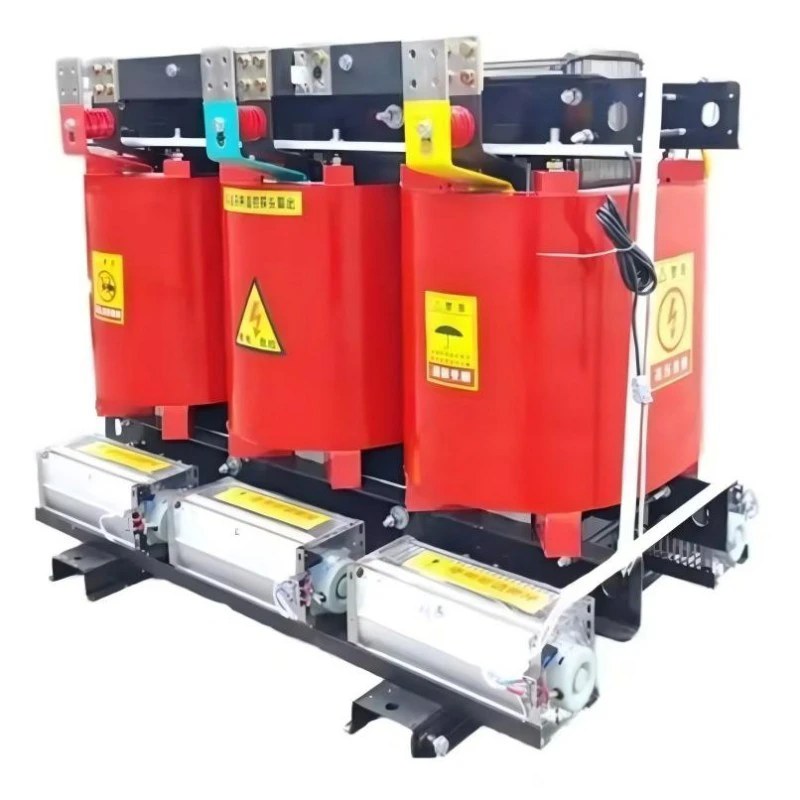
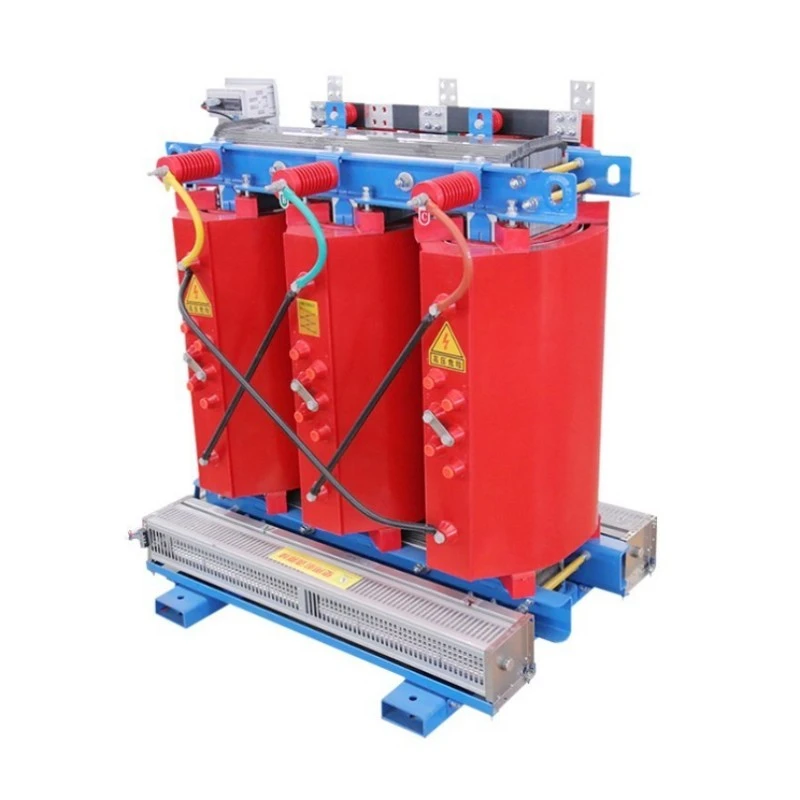
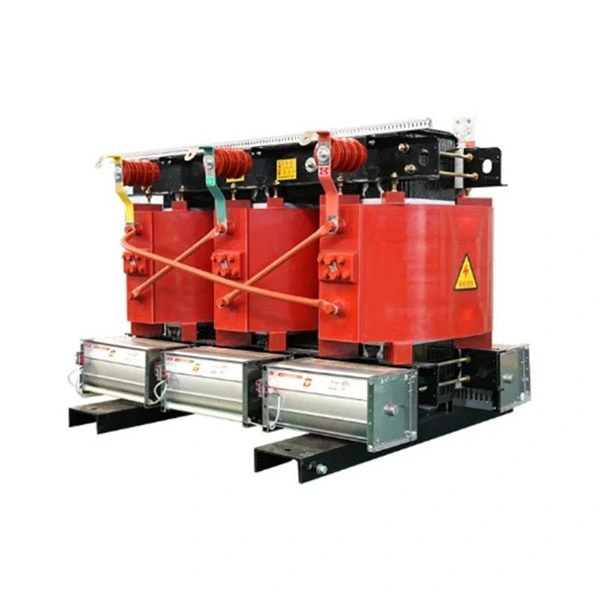
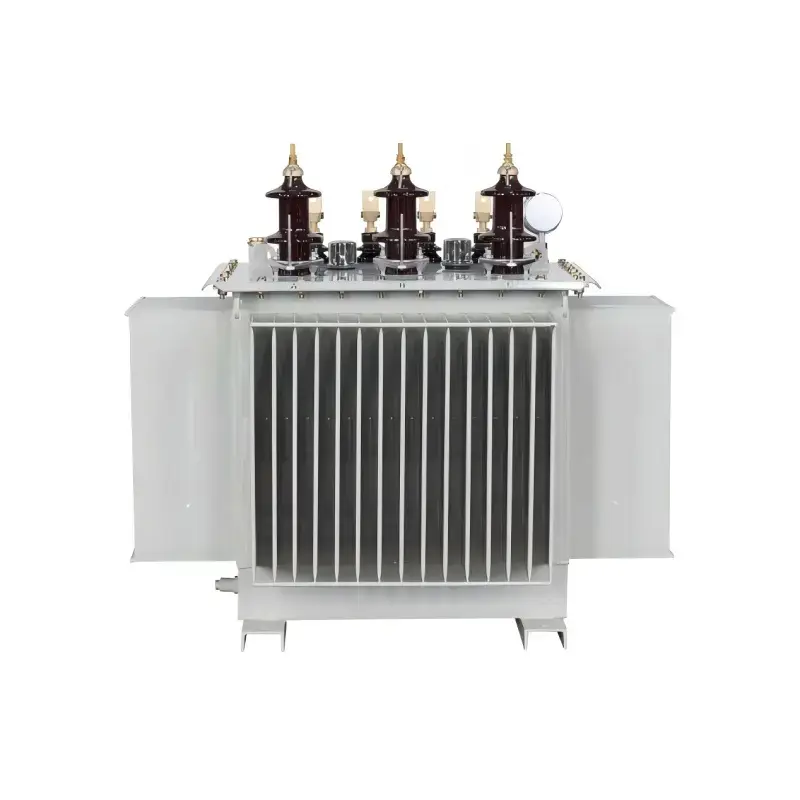
Air Cooling Epoxy Resin Dry Type Transformer


Table of Contents


1. The Anatomy of an Oil Leak: Where Do Oil-Filled Transformers Fail?

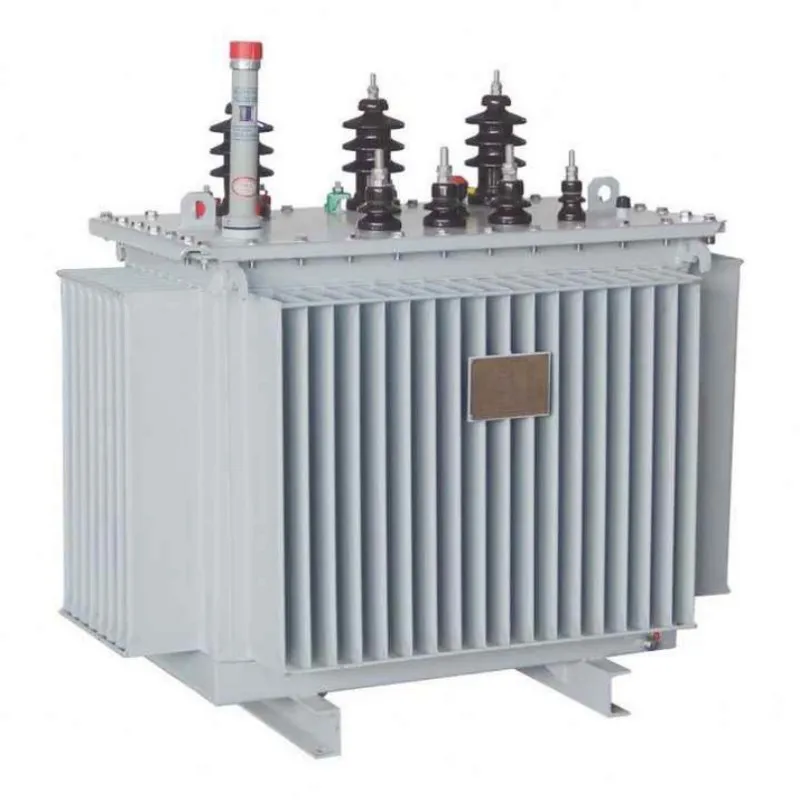
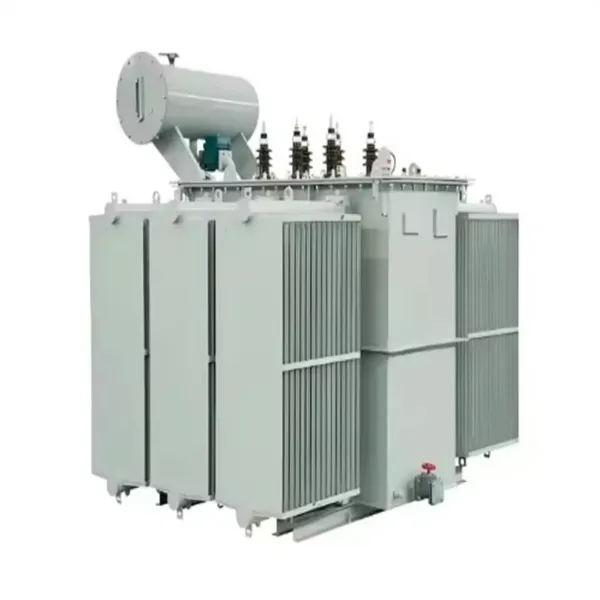
To appreciate why a Dry Type Transformer is superior, it is useful to understand the specific failure points that lead to oil leaks in conventional transformers. An oil-filled transformer is a complex assembly of a steel tank, a core, windings, insulation, bushings, gaskets, and valves. Each of these components represents a potential leak path. Over the life of the transformer, the oil is subjected to thermal cycling, which causes the tank and the components to expand and contract. This cyclic movement can cause gaskets to compress and relax, eventually losing their sealing force. The oil itself can degrade, forming acids and sludge that attack the gaskets and the tank. Weld seams can develop fatigue cracks. Valves and bushings can loosen. And the tank itself can corrode, especially in humid or corrosive environments. The table below summarizes the most common oil leak points in an oil-filled transformer.

Leak Point Cause Consequence Detection Method
Tank Gaskets Thermal cycling, aging, compression set Slow seepage, oil stains Visual inspection
Weld Seams Fatigue cracking, corrosion Dripping, oil accumulation Visual inspection, dye penetrant
Bushings Loose mounting, cracked porcelain Leakage at the bushing flange Visual inspection
Valves Worn seals, loose packing Continuous drip Visual inspection
Oil Gauge Broken glass, loose fitting Leakage, false level reading Visual inspection
Cooling Radiators Corrosion, vibration fatigue Spray or drip Visual inspection, pressure test

The consequences of an oil leak are not limited to the loss of insulating and cooling fluid. An oil leak creates a slip hazard on the floor, contaminates the soil and groundwater if it reaches the environment, and increases the risk of a fire if the oil comes into contact with an ignition source. In indoor installations, the accumulation of oil vapor can create a health hazard for personnel. The cost of cleaning up an oil spill, disposing of contaminated soil, and repairing the transformer can be substantial. In some jurisdictions, the regulatory fines for an oil leak can be severe. This is why many facility managers and engineers are turning to the Dry Type Transformer, which eliminates these risks entirely.

At Lugao Power Co.,Ltd., we have manufactured transformers for over two decades, and we have seen firsthand the costs and risks associated with oil leaks. Our factory produces both oil-filled and Dry Type Transformers, and we are committed to helping our customers select the right technology for their specific application. For indoor installations, sensitive environments, and locations where fire safety is paramount, the Dry Type Transformer is often the superior choice.


2. Cast Resin Insulation: The Solid Barrier That Replaces Oil

The most common type of Dry Type Transformer uses cast resin insulation. In this design, the high-voltage and low-voltage windings are encapsulated in a solid, cast epoxy resin. The resin is mixed with a filler, such as silica flour, and is poured into a mold around the winding. The resin is then cured, forming a hard, solid shell that completely encloses the winding. This shell provides both the electrical insulation and the mechanical protection for the winding. Because the insulation is solid, there is no liquid to leak. The cast resin insulation system is also highly resistant to moisture, dust, and corrosive chemicals, making it suitable for harsh environments.

The cast resin insulation system is not just a replacement for oil; it is a superior insulation system in many respects. The epoxy resin has a high dielectric strength, meaning that it can withstand high voltages without breaking down. It also has a high thermal conductivity, which allows heat to be conducted away from the winding more efficiently than oil in some cases. The resin is also self-extinguishing, meaning that it will not sustain a fire. This is a critical safety advantage over oil, which is flammable. The table below compares the key properties of cast resin insulation with oil insulation.

Property Cast Resin Insulation Oil Insulation
Dielectric Strength (kV/mm) 15 - 20 10 - 15
Thermal Conductivity (W/m·K) 0.3 - 0.5 0.12 - 0.15
Flammability Self-extinguishing Flammable
Moisture Resistance Excellent Requires sealing
Leak Risk None High
Maintenance Minimal Regular oil testing and replacement

At our factory, we use a vacuum casting process to ensure that the epoxy resin completely fills the mold and encapsulates the winding without any voids or air pockets. Voids can cause partial discharges, which can lead to insulation failure over time. Our vacuum casting process ensures that the resin is dense and homogeneous, providing the highest level of insulation integrity. We also use a controlled curing process to ensure that the resin achieves its full mechanical and electrical properties. The result is a Dry Type Transformer that is completely free of oil and the risks associated with oil leaks.


3. VPI Technology: When the Winding Becomes the Insulation

While cast resin is the most common type of Dry Type Transformer, there is another technology that is used for larger transformers: Vacuum Pressure Impregnation (VPI). In a VPI transformer, the winding is not encapsulated in a solid block of resin. Instead, the winding is impregnated with a resin varnish under vacuum and pressure. The varnish penetrates the insulation paper and the spaces between the conductors, filling them with resin. After the impregnation process, the winding is cured, and the resin hardens, bonding the entire winding into a solid, cohesive structure. This structure is then covered with a protective layer, such as a silicone coating, to provide additional protection against moisture and contamination.

The VPI process creates a winding that is extremely robust. The resin bonds the conductors together, preventing movement and vibration that can cause abrasion of the insulation. The resin also seals the winding against moisture and contaminants. Like cast resin, VPI transformers are completely oil-free, eliminating the risk of oil leaks. VPI transformers are often used for larger power ratings where the solid block of a cast resin transformer would be too heavy or too expensive. The table below compares the key characteristics of cast resin and VPI transformers.

Characteristic Cast Resin Transformer VPI Transformer
Insulation System Solid cast epoxy resin Resin-impregnated winding with protective coating
Typical Power Range Up to 10 MVA Up to 30 MVA
Voltage Class Up to 36 kV Up to 72 kV
Leak Risk None None
Fire Safety Self-extinguishing Self-extinguishing
Maintenance Minimal Minimal

At Lugao, we manufacture both cast resin and VPI Dry Type Transformers. Our factory is equipped with state-of-the-art vacuum casting and VPI equipment, and our engineers have extensive experience in selecting the right technology for each application. Whether the requirement is for a compact, lightweight transformer for an indoor distribution board or a large, high-voltage transformer for an industrial facility, we can provide a Dry Type Transformer solution that eliminates the risk of oil leaks.


4. Cooling Without Liquid: How Air Does the Job of Oil

One of the functions of oil in a transformer is to cool the windings. Oil conducts heat away from the windings and transfers it to the tank surface, where it is dissipated to the surrounding air. In a Dry Type Transformer, the cooling function is performed by air. The windings are designed with air ducts and cooling channels that allow air to circulate and carry heat away. In small transformers, natural convection is sufficient to provide the necessary cooling. In larger transformers, fans are used to force air through the cooling channels, increasing the cooling capacity. The table below compares the cooling methods used in oil-filled and dry type transformers.

Cooling Method Oil-Filled Transformer Dry Type Transformer
Primary Cooling Medium Oil Air
Heat Transfer Mechanism Conduction and convection Convection
Cooling Classes ONAN, ONAF, OFAF, OFWF AN, AF
Leak Risk High None
Maintenance Requirements Oil testing, filtering, replacement Cleaning of air ducts, fan maintenance

At our factory, we design our Dry Type Transformers with optimized air cooling systems. The windings are constructed with precision-wound conductors and insulating materials that create uniform cooling channels. In larger units, we use high-efficiency fans to ensure that the windings are cooled effectively under all load conditions. We also use temperature sensors and control systems to monitor the winding temperature and to control the fans. This ensures that the transformer operates at the optimal temperature, maximizing its efficiency and service life. The absence of oil in the cooling system eliminates the risk of leaks and the need for oil containment and disposal, making the Dry Type Transformer a more environmentally friendly and lower-maintenance solution.


5. The Safety and Environmental Case for Dry Type Transformers

The elimination of oil leaks is not the only advantage of a Dry Type Transformer. The absence of oil also eliminates the risk of fire, the need for oil containment, and the environmental hazards associated with oil spills. These safety and environmental benefits are increasingly important to facility managers, insurers, and regulators. In many jurisdictions, the use of Dry Type Transformers is mandatory for indoor installations and for locations where the public may be present, such as hospitals, schools, and shopping centers. The table below summarizes the safety and environmental benefits of Dry Type Transformers compared to oil-filled transformers.

Factor Dry Type Transformer Oil-Filled Transformer
Fire Risk None (self-extinguishing materials) High (flammable oil)
Leak Risk None High
Environmental Hazard Minimal High (oil spills, contamination)
Containment Requirements None Bunded floor, oil-water separator
Fire Suppression Requirements Standard Specialized (foam, CO2, etc.)
Installation Location Flexibility High (indoor, outdoor, basements) Limited (outdoor or fire-rated rooms)
Maintenance Requirements Low High (oil testing, filtering, replacement)

At Lugao, we are committed to providing our customers with safe, reliable, and environmentally friendly transformer solutions. Our Dry Type Transformers are designed to meet the most stringent safety and environmental standards. We use only high-quality, self-extinguishing materials in our cast resin and VPI transformers. Our factory is certified to ISO 9001 and ISO 14001, and our products are tested to IEC 60076 and other international standards. Whether you are building a new facility or upgrading an existing one, we can help you select the right Dry Type Transformer for your application.


6. Frequently Asked Questions (FAQ)

Question 1: Are dry type transformers completely oil-free?

Answer: Yes, dry type transformers are completely oil-free. They use solid insulation materials, such as cast epoxy resin or resin-impregnated paper, and air for cooling. There is no liquid dielectric or coolant in the transformer. This is the defining characteristic of a dry type transformer and the reason why it eliminates oil leak risks.

Question 2: What are the main applications for dry type transformers?

Answer: Dry type transformers are typically used in applications where fire safety and environmental protection are critical. Common applications include indoor installations in hospitals, schools, shopping centers, and office buildings. They are also used in underground mines, tunnels, and offshore platforms, where the risk of an oil leak or fire is unacceptable. They are also preferred for renewable energy applications, such as wind and solar farms.

Question 3: How do dry type transformers compare to oil-filled transformers in terms of efficiency?

Answer: Dry type transformers are generally slightly less efficient than oil-filled transformers of the same power rating. This is because air is a less effective cooling medium than oil. However, the difference is small, and modern dry type transformers with optimized cooling systems can achieve efficiencies that are very close to those of oil-filled transformers. For many applications, the safety and environmental benefits of dry type transformers outweigh the small efficiency difference.

Question 4: What maintenance do dry type transformers require?

Answer: Dry type transformers require less maintenance than oil-filled transformers. There is no oil to test, filter, or replace. The main maintenance tasks are cleaning the air ducts and cooling fans to ensure proper airflow, and periodically checking the windings for dust accumulation. In some environments, it may be necessary to clean the windings with a vacuum or dry cloth. The maintenance interval is typically annual or biennial, depending on the environment.

Question 5: Are dry type transformers more expensive than oil-filled transformers?

Answer: Dry type transformers generally have a higher initial purchase cost than oil-filled transformers of the same power rating. However, the total cost of ownership may be lower when the costs of oil containment, fire suppression, maintenance, and environmental compliance are considered. For indoor installations, the savings on construction costs (no need for bunded floors or fire-rated rooms) can offset the higher purchase price. Our factory can provide a detailed cost comparison for your specific application.


7. Conclusion

The Dry Type Transformer eliminates oil leak risks by eliminating the oil itself. Through the use of solid insulation systems, such as cast epoxy resin or VPI impregnation, and air cooling, the dry type transformer provides a level of safety and environmental protection that is not possible with conventional oil-filled transformers. The benefits are clear: no oil leaks, no fire risk, no containment requirements, and minimal maintenance. For applications where safety, reliability, and environmental responsibility are paramount, the Dry Type Transformer is the superior choice.

At Lugao Power Co.,Ltd., we have been designing and manufacturing Dry Type Transformers for over a decade. Our factory uses advanced vacuum casting and VPI technology to produce transformers that meet the highest standards of quality and performance. We offer a full range of dry type transformers, from small distribution units to large power transformers. Our technical team is available to assist you in selecting the right transformer for your application. Whether you are concerned about oil leak risks, fire safety, or environmental compliance, we can provide a solution that meets your needs.

Contact Lugao Power Co.,Ltd. today to learn more about our Dry Type Transformer products and how they can eliminate oil leak risks in your facility.

Related News
Leave me a message
X
We use cookies to offer you a better browsing experience, analyze site traffic and personalize content. By using this site, you agree to our use of cookies. Privacy Policy
RejectAccept