News

Why Oil Immersed Transformer Is the Workhorse of Utility-Scale Power Grids?

2026-09-09 0 Leave me a message

At the heart of every modern city, industrial complex, and regional power network, there is a silent, humming presence that makes modern life possible. It is the oil immersed transformer—a device so fundamental to the operation of the electric grid that its ubiquity has rendered it almost invisible to the public. Yet, without these workhorses, the transmission of electricity from the power plant to your home would be an impossible feat. The oil immersed transformer performs a simple but essential function: it steps voltage up for efficient long-distance transmission and steps it down for safe consumption. But the simplicity of its function belies the extraordinary engineering required to make it reliable, efficient, and durable for decades.


Utility-scale power grids rely on oil immersed transformers for a compelling set of reasons: they offer superior reliability, effective thermal management, excellent dielectric strength, and a proven track record of longevity. Unlike dry-type transformers, which are limited in voltage and capacity, oil immersed transformers can handle the enormous power levels required by the grid. Their oil serves a dual purpose: it is both an electrical insulator and a coolant, ensuring the transformer can operate at full capacity without overheating. This article will examine the technical and economic factors that make the oil immersed transformer the undisputed workhorse of utility-scale power grids, analyzing its design, cooling systems, reliability, and life-cycle economics.

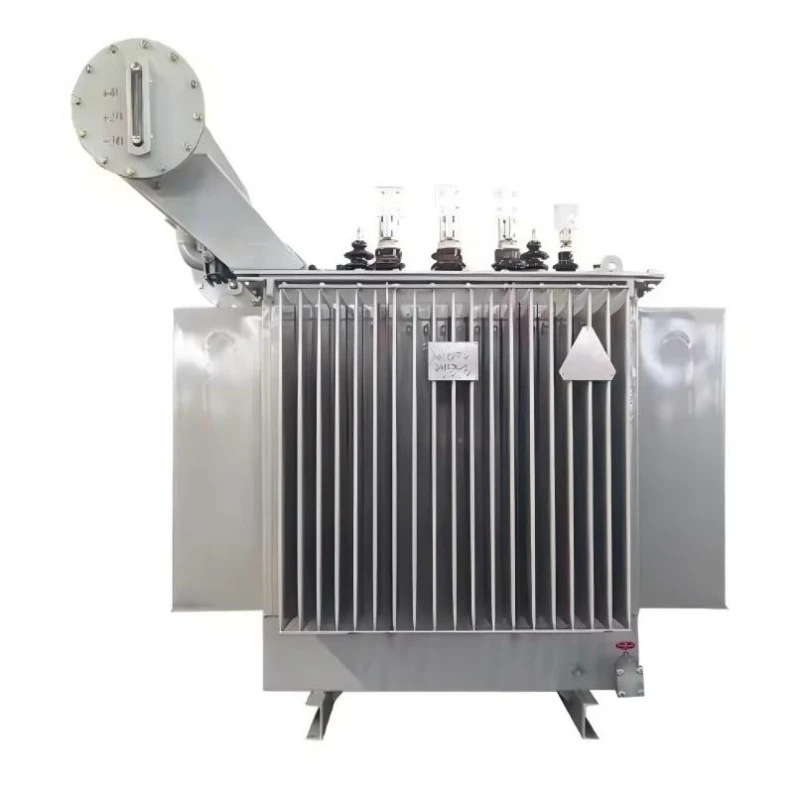
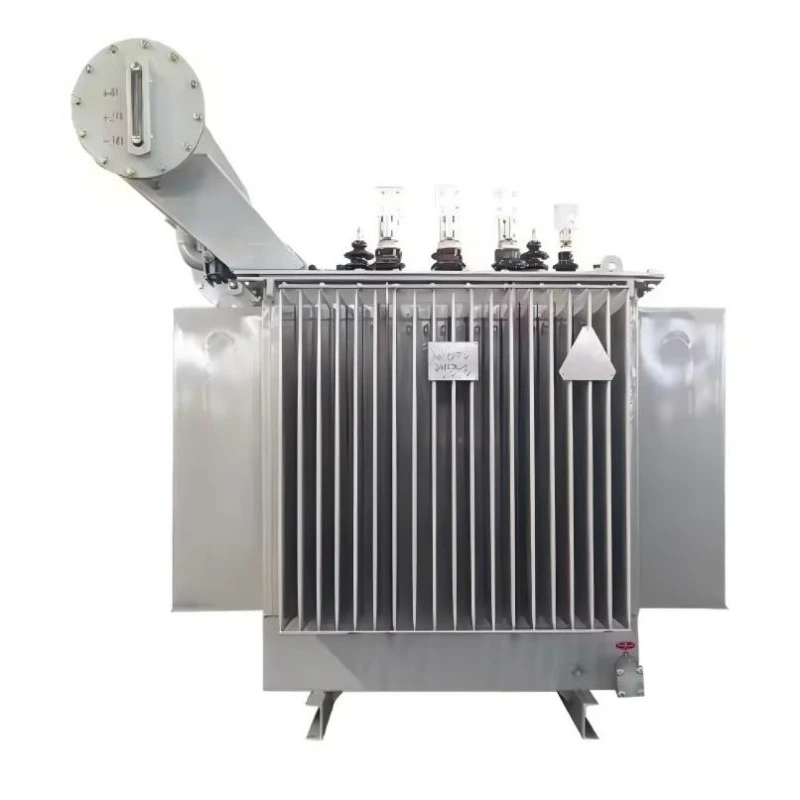
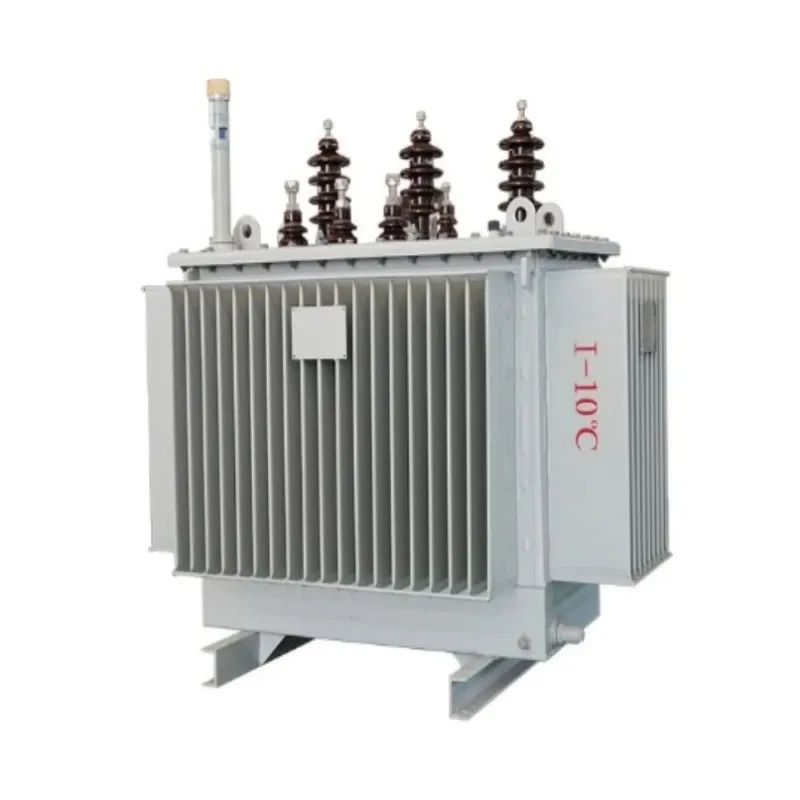
Fully Sealed Three Phase Outdoor Energy-Saving Transformer


Table of Contents


1. What Is an Oil Immersed Transformer and How Does It Work?

An oil immersed transformer is a type of transformer in which the core and windings are submerged in a tank filled with transformer oil. The oil is a specially formulated mineral oil that is both an electrical insulator and a cooling medium. The transformer operates on the principle of electromagnetic induction: an alternating current in the primary winding creates a changing magnetic flux in the core, which induces a voltage in the secondary winding. The voltage ratio is determined by the turns ratio between the primary and secondary windings. In a typical power grid, a step-up transformer increases the voltage from the generator level (typically 11-22 kV) to transmission levels (115 kV to 765 kV), and a step-down transformer reduces the voltage from transmission levels to distribution levels (4 kV to 35 kV).

The role of the oil in the transformer is twofold. Firstly, it provides electrical insulation between the windings and the tank, preventing electrical breakdown. The oil's high dielectric strength allows the transformer to be more compact than it would be if air-insulated. Secondly, the oil acts as a coolant. As the transformer operates, heat is generated in the core and windings due to I²R losses (copper losses) and hysteresis and eddy current losses (iron losses). The oil absorbs this heat and circulates, transferring it to the tank walls where it is dissipated to the surrounding air. This cooling effect is essential for the transformer to operate at its full rated capacity without overheating.

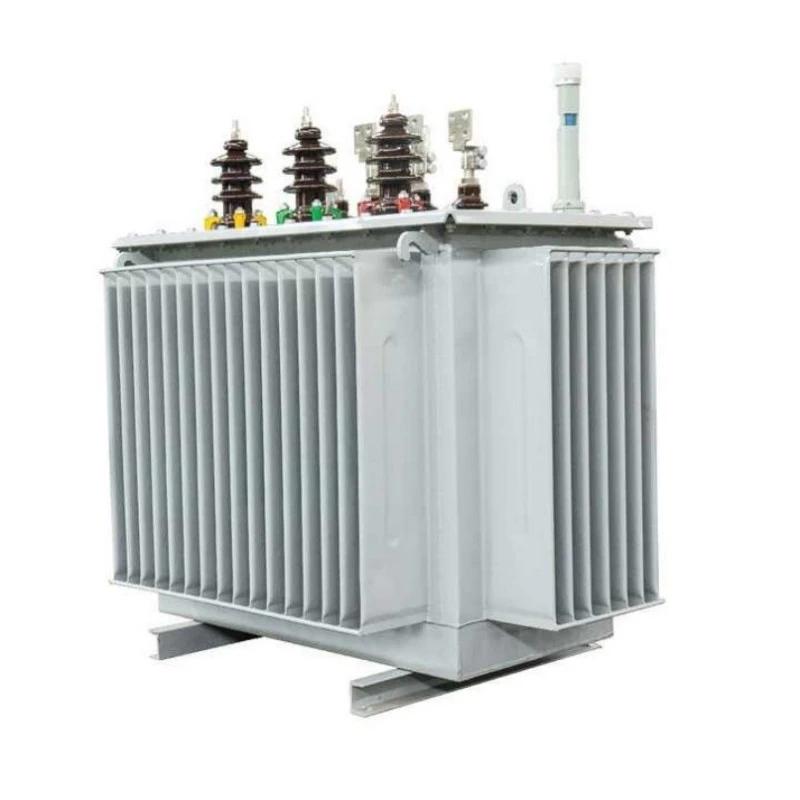
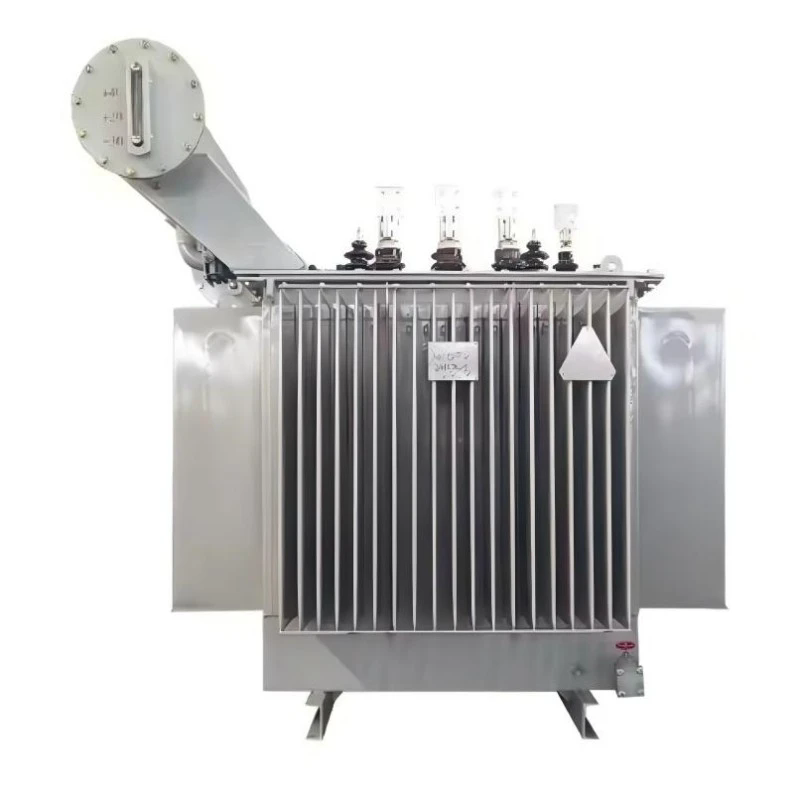
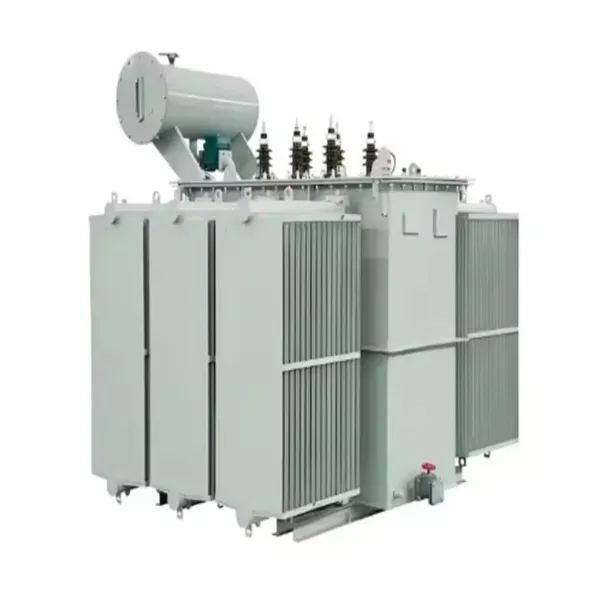
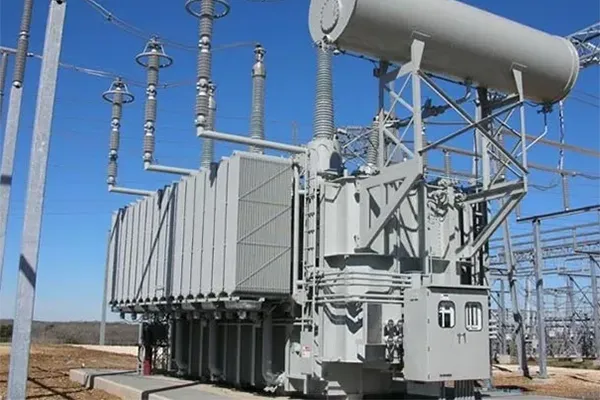
The oil immersed transformer is the dominant technology for high-voltage, high-power applications. At Lugao Power Co.,Ltd., we manufacture oil immersed transformer that meet the most stringent international standards. The typical components of an oil immersed transformer include: the core (typically made of grain-oriented silicon steel), the windings (typically copper or aluminum), the oil tank, the bushings (for connecting the windings to the external circuit), the conservator (an expansion tank to allow for oil expansion), the breather (to allow air to enter and exit the conservator), and the cooling system (radiators or fans). The design and construction of these components are critical to the transformer's performance and longevity. Our factory has refined these design elements over decades, ensuring that our oil immersed transformer deliver reliable performance in the most demanding grid applications.


2. Why Is Oil Cooling Superior for High-Power Applications?

The cooling system of a transformer is critical to its operation. As the transformer converts electrical energy, a portion is lost as heat. This heat must be removed to prevent the temperature of the transformer from exceeding its design limits. In an oil immersed transformer, the oil serves as the primary cooling medium. The oil's superior thermal conductivity and specific heat capacity allow it to efficiently absorb and transfer heat away from the core and windings. The cooling process is driven by natural convection: as the oil is heated, it becomes less dense and rises, while cooler oil descends to take its place. This creates a natural circulation that distributes the heat throughout the transformer.

There are several types of cooling systems used for oil immersed transformers:

  • ONAN (Oil Natural, Air Natural): This is the simplest type of cooling, relying on natural convection of the oil and natural convection of the air over the tank surface. The heat is transferred from the oil to the tank walls and then to the surrounding air. ONAN cooling is suitable for smaller transformers.
  • ONAF (Oil Natural, Air Forced): This system uses fans to force air over the tank surface and radiators, increasing the rate of heat transfer. ONAF cooling is used for larger transformers and can increase the transformer's capacity by up to 33%.
  • OFAF (Oil Forced, Air Forced): This system uses oil pumps to circulate the oil through the radiators, and fans to force air over the radiators. OFAF cooling is used for the largest transformers, providing maximum cooling capacity.
  • ODAF (Oil Directed, Air Forced): This is the most advanced cooling system, where the oil is directed through the windings by pumps to provide the most effective cooling. ODAF cooling is used for the largest and most heavily loaded transformers.

The choice of cooling system depends on the transformer's rating, the ambient temperature, and the load profile. The cooling system's effectiveness is a critical factor in determining the transformer's capacity and its ability to handle overloads. A transformer with a high-efficiency cooling system can be operated at a higher load factor without exceeding its temperature limits. At Lugao Power Co.,Ltd., we design our oil immersed transformer with cooling systems that are optimized for the specific application, ensuring that the transformer can deliver its full rated capacity under the most demanding conditions.

The following table summarizes the key characteristics of the different cooling systems:

Cooling System Oil Circulation Air Circulation Typical Capacity Advantages
ONAN Natural Natural Up to 10 MVA Simple, low maintenance
ONAF Natural Forced 10-50 MVA Increased capacity, moderate complexity
OFAF Forced Forced 50-200 MVA High capacity, good control
ODAF Directed Forced 100+ MVA Maximum cooling, high efficiency

The oil's ability to efficiently remove heat from the transformer's core and windings is one of the key reasons why the oil immersed transformer is the preferred choice for utility-scale applications. The oil also acts as a dampening medium, absorbing mechanical vibration and reducing noise.


3. What Makes Oil Immersed Transformers Exceptionally Reliable?

The reliability of the oil immersed transformer is the cornerstone of its dominance in the power grid. A transformer failure is a catastrophic event, leading to power outages, costly repairs, and potential safety hazards. The oil immersed transformer's design and construction are specifically intended to maximize reliability. The oil provides a clean, inert environment for the windings, protecting them from moisture, dust, and other contaminants. The oil also acts as an early warning system: the dissolved gas analysis (DGA) of the oil can detect incipient faults, allowing for proactive maintenance before a failure occurs.

Several key design features contribute to the reliability of the oil immersed transformer:

  • Robust Insulation: The oil provides high dielectric strength, preventing electrical breakdown between the windings. The paper insulation on the windings is also impregnated with oil, enhancing its dielectric strength. The combination of paper and oil insulation is known as a "paper-oil" insulation system and is the most reliable insulation system for high-voltage transformers.
  • Sealed Construction: The transformer tank is sealed to prevent the ingress of moisture and oxygen, which can degrade the oil and paper insulation. The conservator (an expansion tank) is connected to the main tank and is partially filled with oil, providing a sealed environment. The breather allows air to enter and exit the conservator, but it contains a desiccant to remove moisture from the air.
  • Overload Capability: Oil immersed transformers have a significant overload capability. The oil acts as a thermal buffer, absorbing heat during periods of high load and releasing it when the load decreases. This allows the transformer to handle short-term overloads without exceeding its temperature limits. The overload capability is particularly important in a grid where loads can vary unpredictably.
  • Condition Monitoring: The oil can be sampled and analyzed to assess the transformer's condition. Dissolved gas analysis (DGA) is the most important condition monitoring technique. The gases dissolved in the oil provide an indication of the type and severity of any fault. By regularly monitoring the oil, potential problems can be identified early, allowing for corrective action to be taken before a failure occurs.

The reliability of the oil immersed transformer has been proven over decades of service. Many oil immersed transformers have been in operation for over 40 years, with only routine maintenance. The transformer's rugged construction, coupled with its ability to be maintained in the field, makes it a dependable asset for any utility. At Lugao, we design our oil immersed transformer for the highest levels of reliability. Our transformers are manufactured with high-quality materials and are subjected to rigorous testing, including dielectric tests, short-circuit tests, and thermal tests, to ensure that they will perform reliably under all operating conditions.

The table below shows the typical life of various transformer components and the factors that affect their longevity.

Component Typical Service Life Factors Affecting Life Maintenance Action
Core & Windings 30-40 years Temperature, moisture, oxygen, electrical stress Oil processing, DGA monitoring
Insulating Oil 20-30 years Temperature, moisture, oxygen, oxidation Oil filtration, replacement
Bushings 15-25 years Moisture ingress, electrical stress, pollution Inspection, cleaning, replacement
Cooling System 15-25 years Corrosion, fan/pump wear, clogging Cleaning, motor replacement, repair
Tap Changer 10-20 years Arcing, wear, contamination Inspection, contact replacement, oil change

The reliability of the oil immersed transformer is a direct result of its robust design, the protective properties of the oil, and the ability to monitor its condition. These factors combine to make the oil immersed transformer the most reliable technology for utility-scale power grids.


4. How Does the Oil Immersed Transformer Deliver 30-40 Years of Service Life?

The long service life of the oil immersed transformer is a testament to its robust design and the inherent durability of its components. A well-designed and properly maintained oil immersed transformer can operate reliably for 30 to 40 years, and in some cases, even longer. The key to this longevity lies in the protection provided by the oil and the ability to maintain the transformer's condition over its lifetime. The oil's dual role as an insulator and coolant, combined with the sealed construction, creates an environment that protects the core and windings from the degradative effects of moisture, oxygen, and contamination.

The life of an oil immersed transformer is typically determined by the condition of its insulation system, which consists of the paper insulation and the oil. The paper insulation degrades over time due to thermal, mechanical, and chemical stresses. The rate of degradation is governed by the Arrhenius equation: the life of the insulation is halved for every 8-10°C increase in operating temperature. Therefore, controlling the temperature of the transformer is essential for maximizing its service life. The oil cooling system is critical for managing the temperature. The oil dissipates the heat generated by the core and windings, keeping the insulation temperature within acceptable limits.

Another factor affecting the life of an oil immersed transformer is the condition of the oil itself. The oil can become contaminated with moisture and oxygen over time. Moisture reduces the dielectric strength of the oil and accelerates the aging of the paper insulation. Oxygen causes the oil to oxidize, forming acids and sludge that can further degrade the insulation. Regular oil testing is essential to monitor the condition of the oil. Oil filtration and processing can remove moisture and contaminants, restoring the oil's properties and extending the life of the transformer. In many cases, the oil can be replaced entirely, restoring the transformer to near-new condition.

In addition to the oil and insulation, the other components of the transformer can also be maintained or replaced to extend its service life. For example, the bushings, cooling system, and tap changer can all be replaced or refurbished. This modularity allows the transformer's life to be extended significantly beyond the life of its individual components. At Lugao, we design our oil immersed transformer with maintainability in mind. Our transformers feature easy access to critical components and standard interfaces for replacement parts. This ensures that our customers can keep their transformers in service for decades.


5. What Are the Economic Advantages of Oil Immersed Transformers?

While the initial cost of an oil immersed transformer is higher than that of a dry-type transformer, the oil immersed transformer offers significant economic advantages over its service life. The primary economic advantages are: lower operating losses, higher overload capability, longer service life, and lower maintenance costs. These factors contribute to a lower total cost of ownership (TCO) for the oil immersed transformer over its 30-40 year service life.

The operating losses of a transformer are the sum of the no-load losses (core losses) and the load losses (copper losses). The no-load losses are constant and depend on the core material and design. The load losses vary with the square of the load current. The cost of these losses over the transformer's lifetime can be substantial, especially in areas with high electricity prices. Oil immersed transformers typically have lower core losses than dry-type transformers because of the superior cooling efficiency, allowing for a more compact and efficient core design.

The higher overload capability of an oil immersed transformer is another significant economic advantage. In a grid, the load is rarely constant. There are peak periods and periods of low demand. An oil immersed transformer can handle short-term overloads, allowing the utility to defer investment in new capacity. The overload capability also allows the transformer to be operated at a higher average load factor, reducing the need for additional transformers.

The long service life of an oil immersed transformer is a major economic advantage. The cost of replacing a transformer is substantial, including the cost of the new transformer, the cost of installation, and the cost of downtime. By extending the service life, the utility can defer these costs.

The following table provides a summary of the economic advantages of the oil immersed transformer compared to a dry-type transformer:

Factor Oil Immersed Transformer Dry-Type Transformer
Initial Cost Higher Lower
Operating Losses Lower Higher
Overload Capability Higher Lower
Service Life 30-40 years 20-25 years
Maintenance Cost Moderate (oil testing) Low (but limited options)
Total Cost of Ownership Lower Higher
Typical Applications Utility grid, substations, power plants Indoor, commercial, low-voltage

The oil immersed transformer offers the best economic value for utility-scale power grids. The lower operating losses, higher overload capability, and longer service life more than offset the higher initial cost. At Lugao, we are committed to providing our customers with oil immersed transformer that deliver the best economic value, combining high performance with long-term reliability.


6. Frequently Asked Questions (FAQ)

Question 1: What is the typical lifespan of an oil immersed transformer?

Answer: A well-designed and properly maintained oil immersed transformer can have a service life of 30 to 40 years, and in some cases, even longer. The lifespan is primarily determined by the condition of the paper insulation and the insulating oil. Regular maintenance, including oil testing and filtration, can significantly extend the transformer's service life. At Lugao Power Co.,Ltd., we design our oil immersed transformer for long-term reliability, with robust construction and high-quality materials.

Question 2: How does an oil immersed transformer compare to a dry-type transformer in terms of fire safety?

Answer: Oil immersed transformers contain a flammable liquid (the oil), which presents a fire hazard. Dry-type transformers are considered safer in terms of fire risk because they are constructed with non-flammable materials. However, the fire risk of an oil immersed transformer can be mitigated through design features such as fire walls, fire suppression systems, and the use of less flammable fluids (such as synthetic esters). Many utilities choose oil immersed transformers for their superior performance and reliability, accepting the higher fire risk in exchange for the benefits, and implement appropriate safety measures. The choice between the two types depends on the specific application and the site's safety requirements.

Question 3: What is the purpose of the oil in an oil immersed transformer?

Answer: The oil in an oil immersed transformer has two essential functions: it provides electrical insulation between the windings and the tank, and it acts as a coolant. The oil's high dielectric strength prevents electrical breakdown, and its thermal conductivity allows it to absorb heat from the core and windings and transfer it to the tank walls. The oil also provides a clean, inert environment for the windings, protecting them from moisture and oxygen. The condition of the oil is critical to the transformer's performance and longevity.

Question 4: What is dissolved gas analysis (DGA) and why is it important?

Answer: Dissolved gas analysis (DGA) is a diagnostic technique used to assess the condition of an oil immersed transformer. The oil contains dissolved gases that are generated by different types of faults within the transformer. By analyzing the composition and concentration of these gases, it is possible to identify the type and severity of a fault. DGA is an essential tool for preventing failures and extending the service life of the transformer. It is recommended that DGA be performed at regular intervals, typically annually or bi-annually.

Question 5: What are the environmental considerations for oil immersed transformers?

Answer: The primary environmental concern with oil immersed transformers is the potential for oil spills, which can contaminate soil and water. To mitigate this risk, transformers are equipped with containment systems, such as oil collection pits. Additionally, there is a growing trend towards the use of biodegradable and less flammable insulating fluids, such as synthetic esters, which have a lower environmental impact. The disposal of used transformer oil must be managed according to environmental regulations. At Lugao Power Co.,Ltd., we are committed to environmentally responsible manufacturing and offer transformers with synthetic ester fluids and robust leak-proof designs.


7. Conclusion

The oil immersed transformer is the undisputed workhorse of the utility-scale power grid. Its superior reliability, effective thermal management, long service life, and favorable economics make it the preferred choice for utilities worldwide. The oil provides essential electrical insulation and cooling, allowing the transformer to operate efficiently and reliably under the most demanding conditions. The ability to monitor the transformer's condition through oil testing and to maintain the transformer over its long service life makes it a dependable asset. While other technologies, such as dry-type transformers, exist, the oil immersed transformer remains the dominant technology for high-voltage, high-power applications. The transformer's proven track record of performance, combined with its ability to be maintained and refurbished, ensures that it will continue to be the backbone of the power grid for decades to come.

At Lugao Power Co.,Ltd., we have been manufacturing high-quality oil immersed transformer for over two decades. Our transformers are designed to meet the highest standards of performance, reliability, and efficiency. We are committed to providing our customers with the best possible products and services, and we invite you to contact us to learn more about our oil immersed transformer solutions.

Contact Lugao Power Co.,Ltd. today to learn more about our oil immersed transformer solutions for your utility-scale power grid applications.

Related News
Leave me a message
X
We use cookies to offer you a better browsing experience, analyze site traffic and personalize content. By using this site, you agree to our use of cookies. Privacy Policy
RejectAccept