News

What Post-Test Inspections Reveal About Box-type Transformer Substation Ruggedness?

2026-09-28 0 Leave me a message

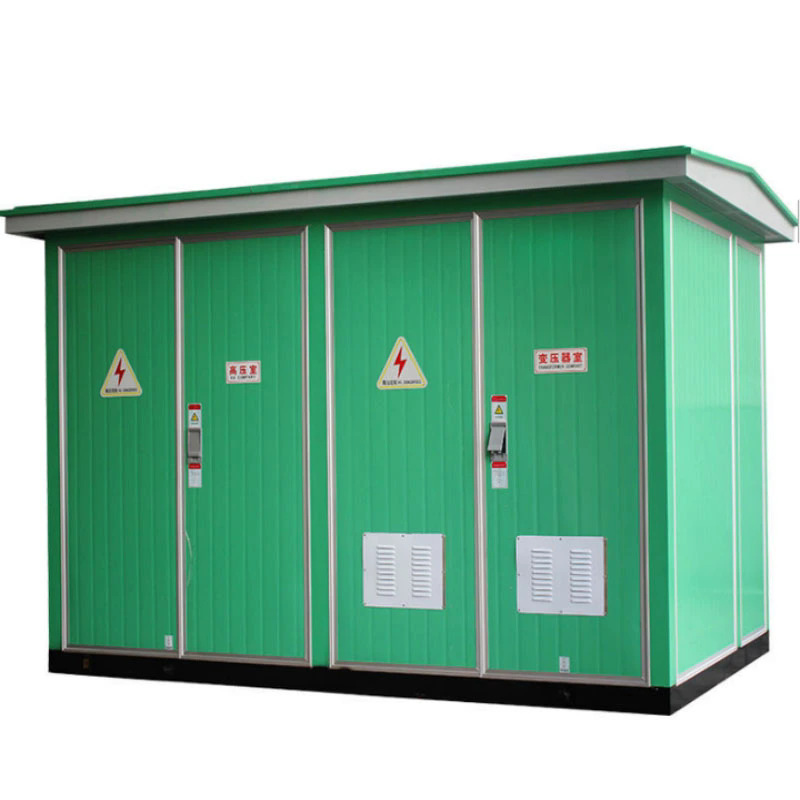
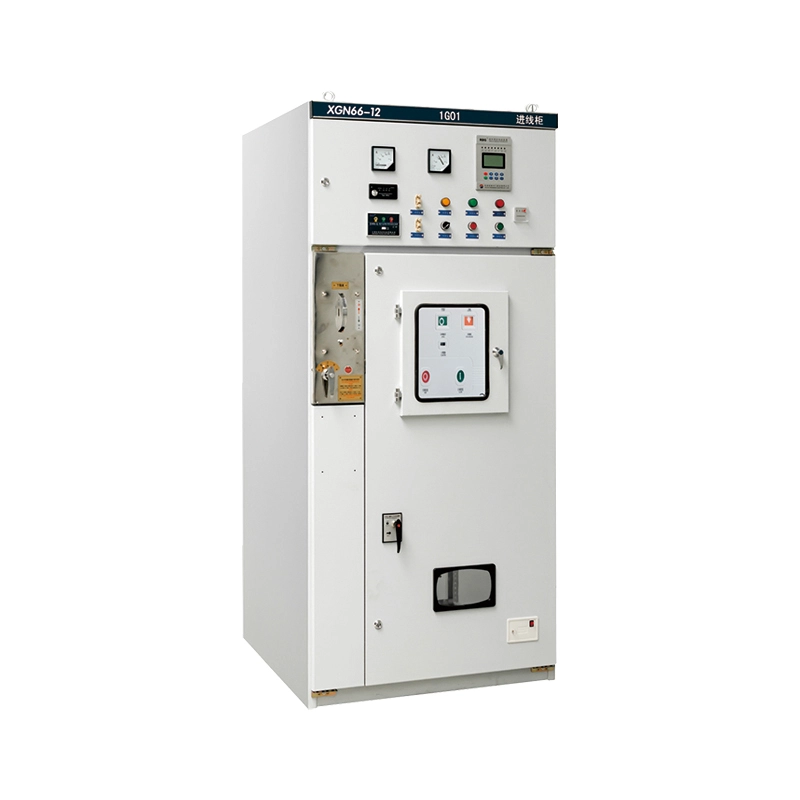
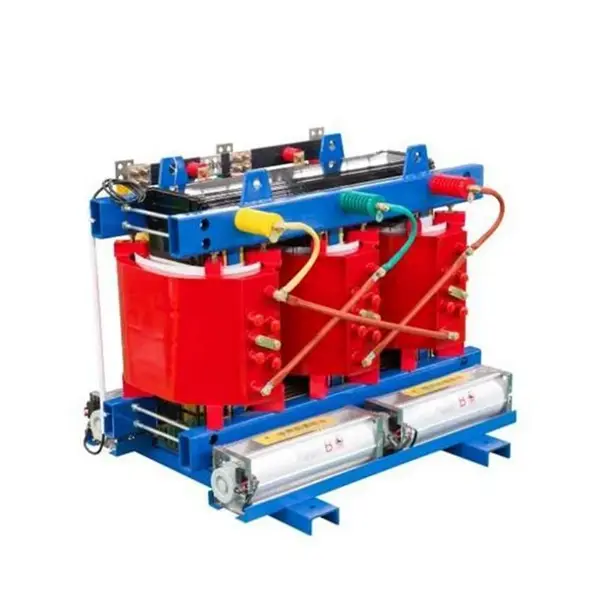
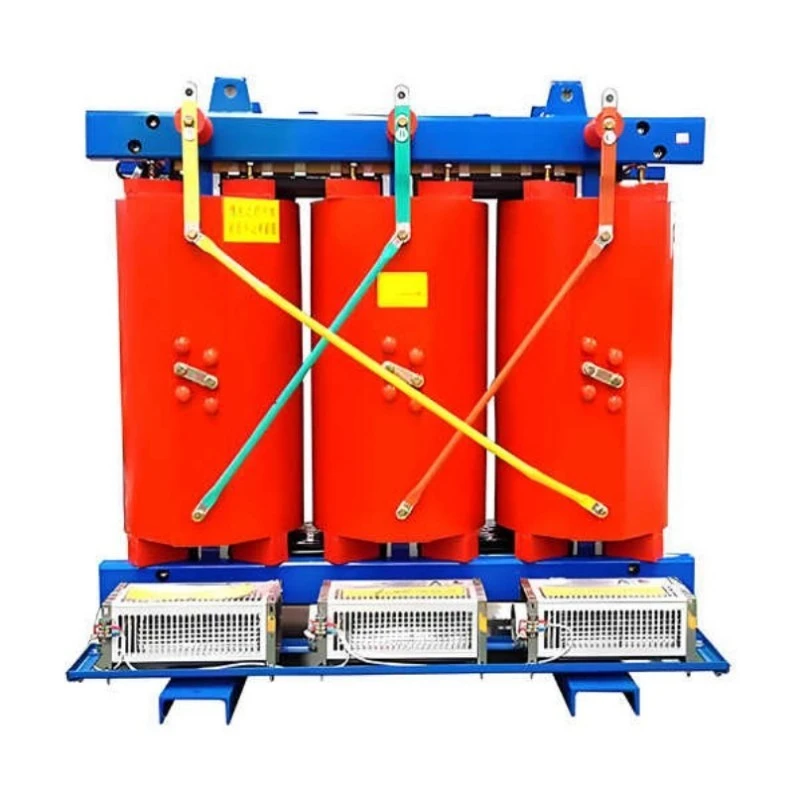
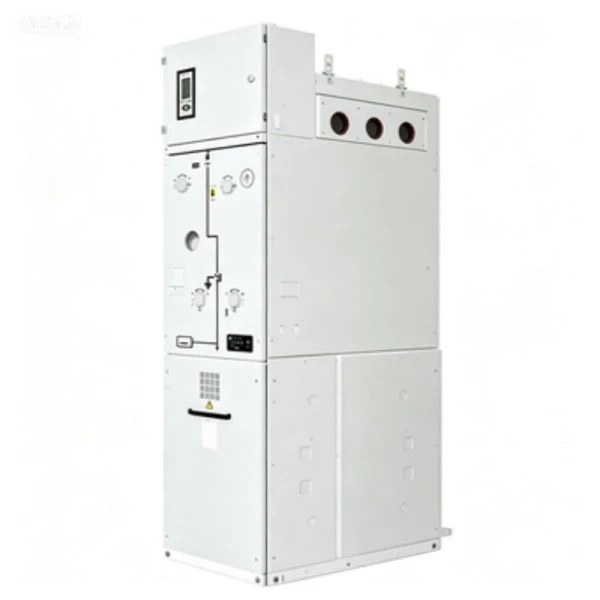
A box-type transformer substation is a compact, pre-assembled power distribution unit that houses a transformer, switchgear, and protective devices within a weatherproof enclosure. It is designed for installation in space-constrained environments: urban streets, industrial parks, renewable energy sites, and remote locations. Unlike a traditional substation, which is built on-site and tested in place, a box-type substation is factory-assembled and factory-tested before it is shipped. The tests that are performed at the factory—dielectric tests, thermal cycling tests, mechanical endurance tests—are designed to simulate decades of service in a matter of weeks. But what do these tests actually reveal about the ruggedness of the unit? The answer lies not just in whether the unit passes the tests, but in what the post-test inspections reveal about its condition after the tests are complete.


Post-test inspection is the final and most revealing stage of the quality assurance process for a Box-type Transformer Substation. After the unit has been subjected to the most extreme conditions it is likely to encounter in service, it is disassembled and inspected in detail. The inspection looks for signs of stress, deformation, wear, or degradation that may not have caused a failure during the test but could lead to a failure in the field. It is this post-test inspection that separates a truly rugged substation from one that merely meets the minimum requirements. This article will examine what post-test inspections reveal about the ruggedness of a Box-type Transformer Substation, covering the types of tests performed, the inspection criteria, and the findings that indicate a high level of ruggedness. We will also provide detailed specifications and testing data for our Box-type Transformer Substation products from our factory at Lugao Power Co.,Ltd.

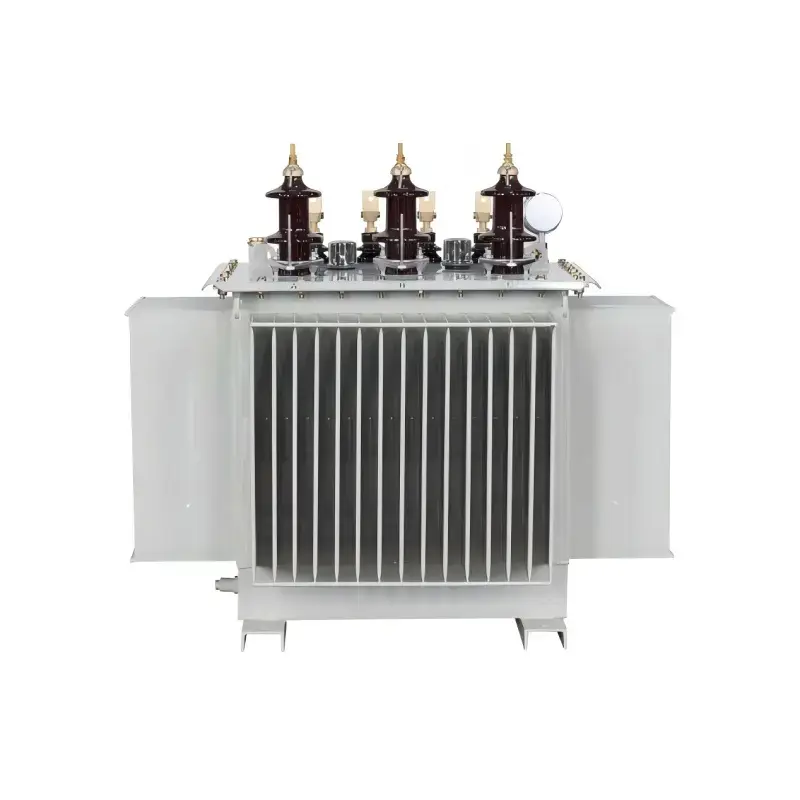
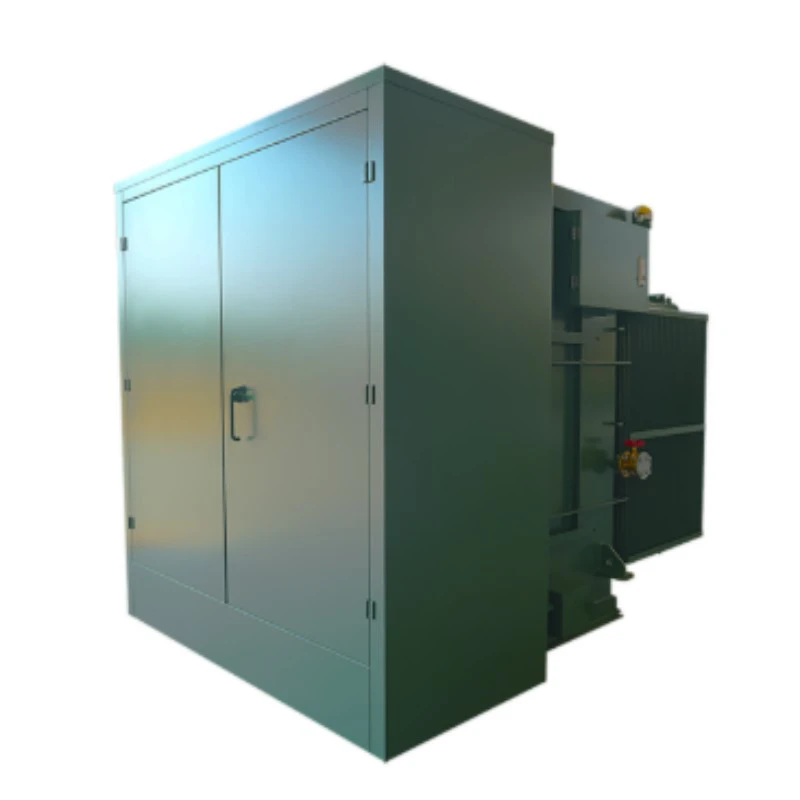
Intelligent Prefabricated Outdoor Box-Type substation


Table of Contents


1. What Types of Tests Are Performed on a Box-type Transformer Substation?

The testing program for a Box-type Transformer Substation is designed to verify that the unit can withstand the electrical, thermal, and mechanical stresses it will encounter throughout its service life. The tests are conducted in accordance with international standards, including IEC 62271, IEC 60076, and IEEE C57.12.00. The tests fall into three main categories: dielectric tests, thermal tests, and mechanical tests. Each category is designed to stress a different aspect of the substation's design and construction. The dielectric tests verify the insulation system's ability to withstand high voltages. The thermal tests verify the cooling system's ability to manage heat generated by the transformer and the switchgear. The mechanical tests verify the structural integrity of the enclosure and the operational reliability of the switching devices.

The testing sequence typically begins with the dielectric tests, followed by the thermal tests, and concludes with the mechanical tests. After each test, the unit is inspected for signs of damage or degradation. The post-test inspection is as important as the test itself, because it provides the data needed to assess the ruggedness of the design. The table below summarizes the key tests performed on a Box-type Transformer Substation and the aspects of ruggedness they evaluate.

Test Category Specific Test What It Evaluates
Dielectric Power Frequency Withstand Insulation strength of transformer and switchgear
Dielectric Lightning Impulse Withstand Insulation resistance to transient overvoltages
Dielectric Partial Discharge Presence of localized insulation defects
Thermal Temperature Rise Cooling system performance and thermal margin
Thermal Thermal Cycling Ability to withstand repeated heating and cooling
Mechanical Enclosure Impact Structural integrity of the enclosure
Mechanical Switchgear Endurance Operational reliability of switching devices
Mechanical Vibration Resistance to transport and seismic vibration

At Lugao Power Co.,Ltd, our factory performs all these tests on every Box-type Transformer Substation before it is shipped. The post-test inspection is conducted by our quality assurance team, and the results are documented in a comprehensive test report. This report is provided to the customer as evidence of the substation's ruggedness and reliability.


2. What Does Post-Test Inspection of the Dielectric System Reveal?

The dielectric system is the heart of the Box-type Transformer Substation. It includes the transformer windings, the switchgear insulation, the bushings, and the cable terminations. The dielectric tests are designed to stress the insulation to its limits and to reveal any weaknesses that could lead to a failure in service. The post-test inspection of the dielectric system focuses on three main areas: the transformer windings, the switchgear insulation, and the bushings. The inspection looks for signs of insulation damage, such as tracking, cracking, or discoloration. It also looks for signs of partial discharge, which can indicate the presence of voids or contaminants in the insulation.

The post-test inspection of the transformer windings typically involves a visual inspection of the windings and the insulation barriers, as well as a measurement of the insulation resistance and the dissipation factor. A significant change in these parameters after the dielectric test would indicate that the insulation has been degraded. The inspection of the switchgear insulation focuses on the busbars, the insulators, and the contact surfaces. The inspection of the bushings focuses on the porcelain or polymer housing and the sealing system. The table below summarizes the key inspection criteria for the dielectric system.

Component Inspection Criteria Indicator of Ruggedness
Transformer Windings No tracking, no discoloration, insulation resistance unchanged Stable insulation properties after stress
Switchgear Insulation No cracks, no carbon tracking, no deformation High-quality insulation materials
Bushings No cracks, no chips, seals intact Robust bushing design and sealing
Cable Terminations No overheating, no deformation, tight connections Proper termination design
Partial Discharge No increase in PD level after test Absence of insulation defects

At our factory, the post-test inspection of the dielectric system is performed by experienced engineers using advanced diagnostic equipment. The results are compared to the pre-test measurements to identify any changes. A substation that shows no significant changes after the dielectric tests is considered to have a rugged dielectric system. Our Box-type Transformer Substations are designed to pass these tests with margin, ensuring reliable operation in the most demanding electrical environments.


3. What Does Post-Test Inspection of the Thermal System Reveal?

The thermal system of a Box-type Transformer Substation includes the transformer cooling system, the ventilation system for the enclosure, and the thermal management of the switchgear. The thermal tests are designed to verify that the cooling system can dissipate the heat generated by the transformer and the switchgear under the most demanding load conditions. The post-test inspection of the thermal system focuses on the condition of the cooling components, the temperature distribution across the transformer, and the condition of the insulation after exposure to high temperatures. The inspection looks for signs of overheating, such as discoloration, deformation, or degradation of the insulation materials.

The post-test inspection of the transformer cooling system includes a visual inspection of the radiators, the cooling fans, and the oil pumps. The inspection looks for leaks, corrosion, or damage to the cooling fins. The temperature distribution across the transformer is measured using thermal imaging to identify any hot spots that could indicate a problem with the cooling system. The condition of the insulation is assessed by measuring the degree of polymerization (DP) of the paper insulation, which indicates the extent of thermal aging. The table below summarizes the key inspection criteria for the thermal system.

Component Inspection Criteria Indicator of Ruggedness
Radiators No leaks, no corrosion, fins intact Durable cooling system
Cooling Fans No bearing noise, blades intact, free rotation Reliable fan motors and bearings
Oil Pumps No leaks, no unusual noise, correct flow Reliable pump design
Temperature Distribution Uniform, no hot spots Efficient cooling design
Insulation Aging DP value unchanged, no embrittlement High-temperature insulation materials

At Lugao Power Co.,Ltd, our Box-type Transformer Substations are designed with oversized cooling systems to provide a thermal margin. The post-test inspection of our substations consistently shows uniform temperature distribution and minimal insulation aging, confirming the ruggedness of our thermal design. Our factory uses only high-quality insulation materials and cooling components to ensure that our substations can withstand the most demanding thermal conditions.


4. What Does Post-Test Inspection of the Mechanical System Reveal?

The mechanical system of a Box-type Transformer Substation includes the enclosure structure, the switchgear operating mechanisms, and the mounting and support systems. The mechanical tests are designed to verify that the substation can withstand the mechanical stresses of transport, installation, and operation. The post-test inspection of the mechanical system focuses on the condition of the enclosure, the operation of the switchgear, and the integrity of the mounting and support systems. The inspection looks for signs of deformation, cracking, or loosening of components.

The post-test inspection of the enclosure includes a visual inspection of the walls, roof, and doors, as well as a check of the sealing system. The inspection looks for dents, corrosion, or damage to the paint or coating. The operation of the switchgear is tested by operating each switch multiple times and measuring the operating torque and the contact resistance. The inspection of the mounting and support systems includes a check of the bolts, brackets, and foundations. The table below summarizes the key inspection criteria for the mechanical system.

Component Inspection Criteria Indicator of Ruggedness
Enclosure Walls No dents, no cracks, paint intact Robust enclosure construction
Enclosure Doors No deformation, seals intact, hinges smooth Quality door hardware and sealing
Switchgear Mechanisms Operating torque within specification, no binding Reliable mechanism design
Contact Resistance Stable, no increase after cycling High-quality contact materials
Mounting and Supports Bolts tight, brackets intact, no deformation Robust structural design

At our factory, the post-test inspection of the mechanical system is performed by experienced technicians using calibrated instruments. The results are compared to the pre-test measurements to identify any changes. A substation that shows no significant changes after the mechanical tests is considered to have a rugged mechanical system. Our Box-type Transformer Substations are designed to pass these tests with margin, ensuring reliable operation in the most demanding mechanical environments.


5. What Does Post-Test Inspection of the Enclosure Reveal?

The enclosure of a Box-type Transformer Substation is the first line of defense against the environment. It must protect the internal components from rain, snow, dust, and corrosive atmospheres. It must also provide physical security and withstand the mechanical stresses of transport and installation. The post-test inspection of the enclosure focuses on the condition of the paint or coating, the integrity of the sealing system, and the operation of the doors and ventilation systems. The inspection looks for signs of corrosion, water ingress, or damage to the enclosure structure.

The post-test inspection of the enclosure includes a visual inspection of the exterior and interior surfaces, a check of the door seals, and a test of the ventilation system. The inspection looks for rust, blistering, or peeling of the paint. It also looks for signs of water ingress, such as water stains or moisture inside the enclosure. The door seals are checked for flexibility and compression. The ventilation system is checked for proper airflow and the condition of the filters. The table below summarizes the key inspection criteria for the enclosure.

Component Inspection Criteria Indicator of Ruggedness
Exterior Paint/Coating No rust, no blistering, no peeling High-quality coating system
Interior Surfaces No water stains, no condensation Effective sealing and ventilation
Door Seals Flexible, compressed, no cracks High-quality seal material
Ventilation System Filters clean, airflow unobstructed Effective thermal management
Structural Integrity No deformation, no cracks, panels secure Robust enclosure construction

At Lugao Power Co.,Ltd, our Box-type Transformer Substations are designed with a high-quality enclosure system that is tested to withstand the most demanding environmental conditions. The post-test inspection of our substations consistently shows no signs of corrosion or water ingress, confirming the ruggedness of our enclosure design. Our factory uses only high-quality materials and coatings to ensure that our substations can withstand the most demanding environmental conditions.


6. What Are the Key Specifications and Test Data?

The following table provides the key specifications and test data for our Box-type Transformer Substation products. These specifications are based on the post-test inspection results from our factory and represent the typical performance of our substations.

Parameter Specification Test Method Result
Rated Voltage Up to 36 kV IEC 62271 Pass
Rated Power 50 kVA - 5,000 kVA IEC 60076 Pass
Dielectric Withstand 70 kV / 1 min IEC 60076 Pass (no breakdown)
Lightning Impulse 170 kV peak IEC 60076 Pass (no flashover)
Partial Discharge < 10 pC IEC 60270 Pass
Temperature Rise < 65 K IEC 60076 Pass
Enclosure Protection IP54 IEC 60529 Pass
Mechanical Endurance 10,000 operations IEC 62271 Pass

At our factory, every Box-type Transformer Substation is tested and inspected before shipment. The test report includes the results of all pre-test and post-test inspections, providing the customer with a complete record of the substation's performance and ruggedness. Our commitment to quality and testing ensures that our customers receive a product that will perform reliably for decades.


7. Frequently Asked Questions (FAQ)

Question 1: What is the most important test for a Box-type Transformer Substation?

Answer: All the tests are important, but the dielectric tests are often considered the most critical because they verify the integrity of the insulation system, which is the most common cause of failure in transformers. The post-test inspection of the dielectric system provides the most direct evidence of the substation's ruggedness. At Lugao Power Co.,Ltd, we perform all dielectric tests in accordance with IEC 60076 and provide detailed test reports.

Question 2: How do post-test inspections differ from routine tests?

Answer: Routine tests are performed on every unit to verify that it meets the basic requirements of the standard. Post-test inspections are performed after the unit has been subjected to the most extreme conditions it is likely to encounter in service. Post-test inspections look for signs of stress, deformation, or degradation that may not have caused a failure during the test but could lead to a failure in the field. Post-test inspections provide a more comprehensive assessment of ruggedness.

Question 3: What is the typical lead time for a Box-type Transformer Substation?

Answer: The lead time depends on the size and complexity of the substation. For standard units, the lead time is typically 6-8 weeks. For custom units with special requirements, the lead time may be longer. At Lugao Power Co.,Ltd, we provide our customers with a realistic timeline and keep them informed of the progress throughout the manufacturing and testing process.

Question 4: Can a Box-type Transformer Substation be used in extreme environments?

Answer: Yes, Box-type Transformer Substations are designed for use in a wide range of environments, including extreme temperatures, high humidity, and corrosive atmospheres. The enclosure can be specified with additional protection, such as a higher IP rating, a corrosion-resistant coating, or a cooling system for high-temperature environments. At our factory, we can customize the substation to meet the specific environmental requirements of your project.

Question 5: What is the expected service life of a Box-type Transformer Substation?

Answer: The expected service life of a Box-type Transformer Substation is 25-30 years, depending on the operating conditions and the quality of maintenance. The post-test inspection results indicate that our substations are designed to provide reliable service over this period. With proper maintenance, including periodic inspections and testing, the service life can be extended.


8. Conclusion

Post-test inspections reveal a great deal about the ruggedness of a Box-type Transformer Substation. They show whether the insulation system can withstand the stresses of a fault without degrading. They show whether the cooling system can manage the heat generated by the transformer and the switchgear. They show whether the mechanical system can withstand the stresses of transport, installation, and operation. They show whether the enclosure can protect the internal components from the environment. At Lugao Power Co.,Ltd, our factory performs comprehensive post-test inspections on every Box-type Transformer Substation we manufacture. The results of these inspections confirm the ruggedness of our design and provide our customers with the confidence that their substation will perform reliably for decades. We use high-quality materials, precision manufacturing processes, and rigorous testing to ensure that every substation we produce meets the highest standards of quality and reliability.

Whether you are designing a new distribution system or upgrading an existing one, we invite you to contact our technical team to discuss your requirements. We can provide detailed product specifications, test data, and application support. Our commitment to quality and customer satisfaction has made us a trusted partner for power projects around the world.

Contact Lugao Power Co.,Ltd today to discuss your Box-type Transformer Substation requirements and discover how our substations can meet the demands of your power system.

Related News
Leave me a message
X
We use cookies to offer you a better browsing experience, analyze site traffic and personalize content. By using this site, you agree to our use of cookies. Privacy Policy
RejectAccept