News

How Does Cast Resin Ensure Flame-Retardant Performance in Dry Type Transformers?

2026-09-22 0 Leave me a message

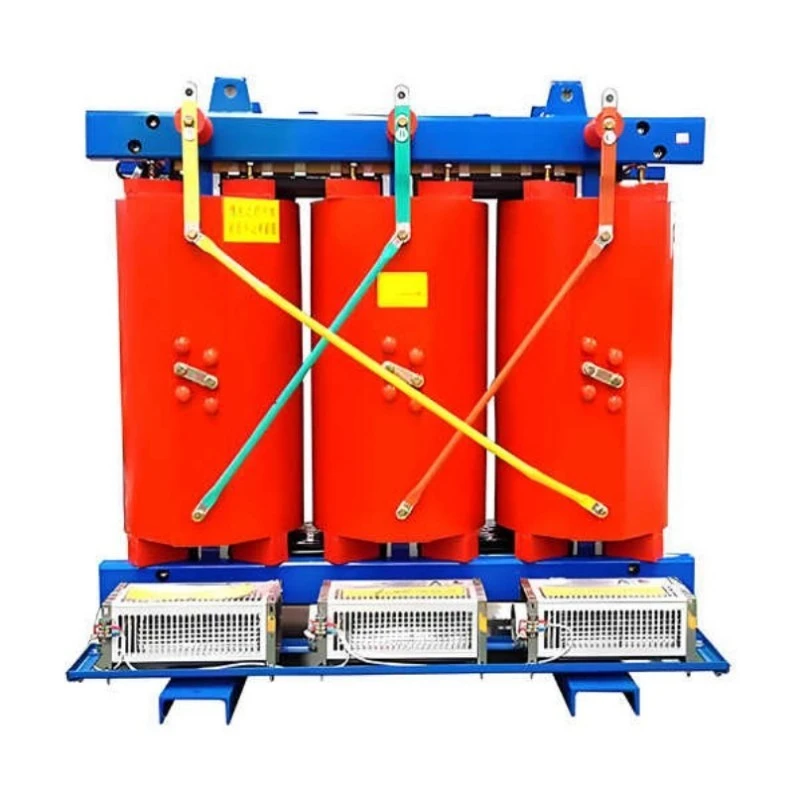
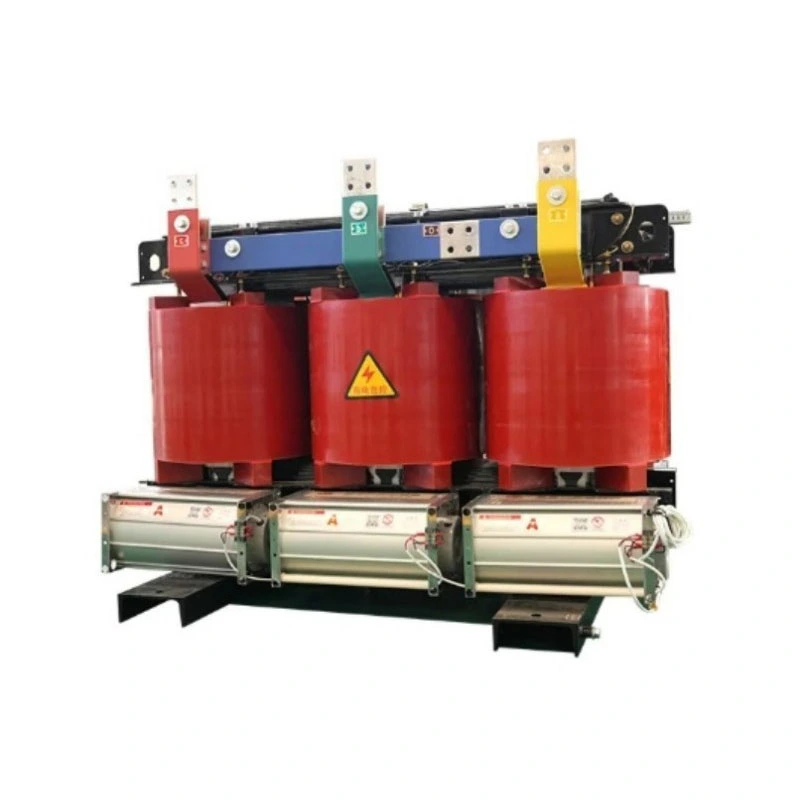
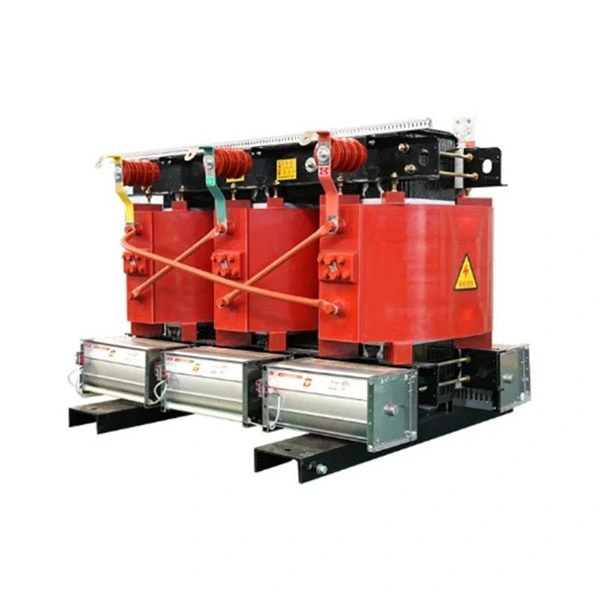
In a high-rise office building, a hospital, or a data center, the electrical transformer is often located close to occupied spaces. Unlike outdoor substations where oil-filled transformers can be installed behind fire walls and blast containment, indoor installations demand a transformer that will not contribute to a fire. This is the domain of the Dry Type Transformer. The question of how cast resin ensures flame-retardant performance in these transformers is not just an academic one; it is a critical safety consideration that determines whether a transformer can be installed inside a building without expensive fire suppression systems and dedicated fire-rated enclosures.


The flame-retardant performance of a cast resin Dry Type Transformer is the result of a carefully engineered material system. The epoxy resin formulation, the inorganic fillers, and the flame-retardant additives work together to create a self-extinguishing insulation material that resists ignition and limits fire propagation. This article will examine the chemistry of cast resin flame retardance, the physics of heat release and smoke generation, and the international testing standards that verify these properties. We will also discuss how our factory at Lugao Power Co.,Ltd. designs and manufactures cast resin Dry Type Transformers to meet the most demanding fire safety requirements.

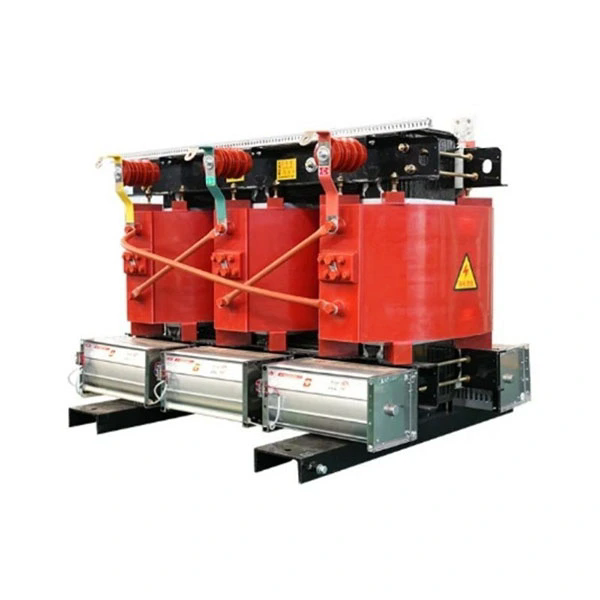
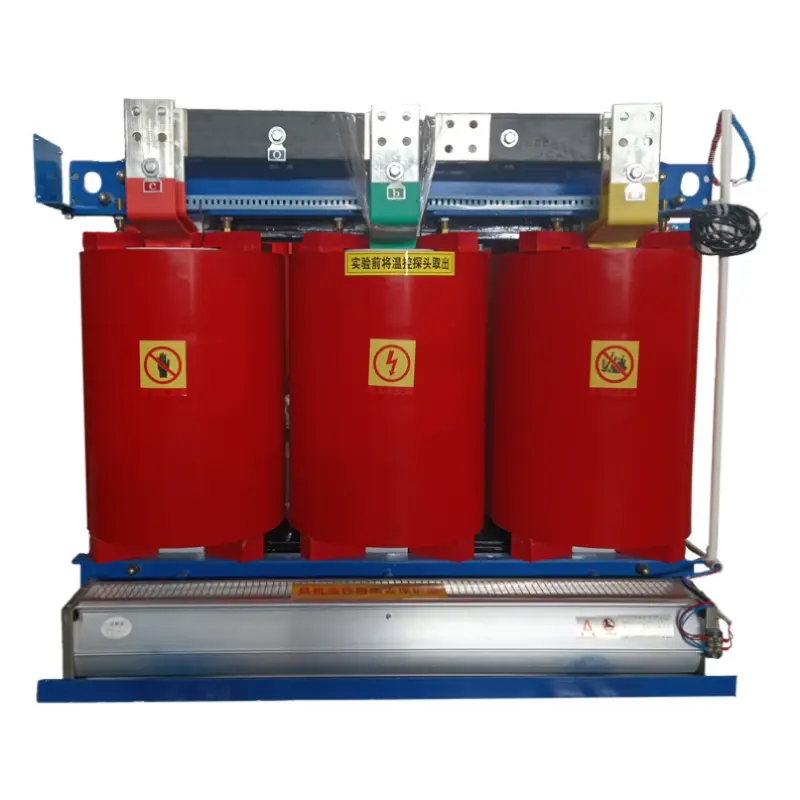
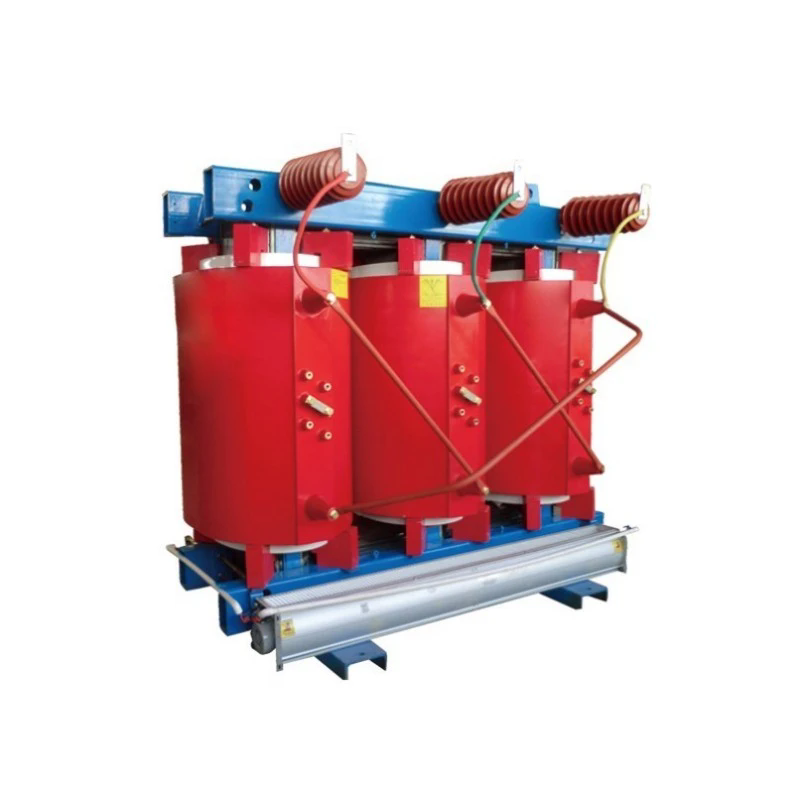
Polyester Resin Isolation Dry Type Transformer


Table of Contents


1. What Makes a Material Flame Retardant?

Flame retardance is not a single property; it is a set of behaviors that a material exhibits when exposed to fire. A flame-retardant material resists ignition, limits the spread of flame, and self-extinguishes when the external ignition source is removed. These behaviors are achieved through chemical and physical mechanisms that interfere with the combustion process. The combustion of a polymer requires three elements: fuel, oxygen, and heat. Flame retardants work by disrupting one or more of these elements. Some flame retardants release inert gases that dilute the oxygen concentration around the material. Others absorb heat through endothermic decomposition, cooling the material below its ignition temperature. Still others promote the formation of a protective char layer that insulates the underlying material from heat and oxygen.

The effectiveness of a flame retardant is measured by several parameters. The Limiting Oxygen Index (LOI) is the minimum concentration of oxygen in a nitrogen-oxygen mixture that will support combustion of the material. A material with a higher LOI is more difficult to burn. For reference, the oxygen concentration in air is approximately 21%. A material with an LOI below 21% will burn readily in air. A material with an LOI above 28% is generally considered flame retardant. The UL 94 test is another common method for assessing the flammability of plastics. It evaluates the material's behavior in a vertical or horizontal orientation, including the time to self-extinguish and whether dripping occurs. The table below summarizes the key flammability parameters for common transformer insulation materials.

Material Limiting Oxygen Index (LOI) UL 94 Rating Self-Extinguishing
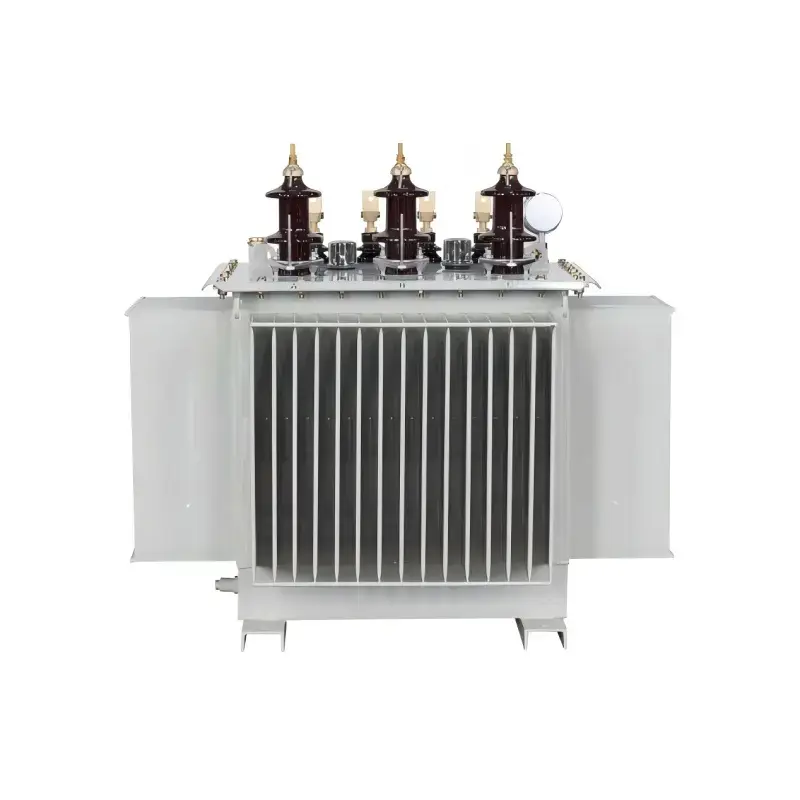
Mineral Oil (Transformer Oil) N/A (liquid) N/A No (continues to burn)
Standard Epoxy Resin (unfilled) 19 - 21% HB (horizontal burn) Slow
Cast Resin (with ATH filler) 28 - 35% V-0 (vertical burn) Yes (rapid)
Cast Resin (with phosphorus additive) 32 - 40% V-0 Yes (very rapid)

At Lugao Power Co.,Ltd., our factory formulates cast resin systems that achieve an LOI of 30% or higher, combined with a UL 94 V-0 rating. This means that the resin will not support combustion in normal atmospheric conditions and will self-extinguish rapidly if ignited. These properties are essential for a Dry Type Transformer that is installed indoors, where fire safety is a primary concern.


2. The Chemistry of Cast Resin: How Additives Change Burning Behavior

The base epoxy resin used in cast resin transformers is a thermosetting polymer that provides excellent electrical insulation, mechanical strength, and thermal stability. However, unmodified epoxy resin has a limiting oxygen index of approximately 19-21%, which means it will burn in air. To transform this material into a flame-retardant insulation system, the resin is formulated with fillers and additives that alter its combustion behavior. The two most common approaches are the use of inorganic hydroxide fillers and phosphorus-based flame retardants. The choice of additive and its concentration determine the final performance of the cast resin.

Aluminum trihydrate (ATH), also known as aluminum hydroxide, is the most widely used flame-retardant filler in cast resin transformers. When the resin is exposed to temperatures above approximately 200°C, the ATH undergoes an endothermic decomposition reaction. This reaction absorbs a significant amount of heat, cooling the surrounding material. It also releases water vapor, which dilutes the oxygen concentration in the vicinity of the flame. The residue of the reaction is aluminum oxide, which forms a protective ceramic-like layer on the surface of the resin. This layer acts as a thermal barrier, slowing the transfer of heat to the underlying material. The table below summarizes the decomposition characteristics of ATH and other common flame-retardant fillers.

Additive Decomposition Temperature (°C) Heat Absorption (J/g) Primary Mechanism
Aluminum Trihydrate (ATH) 180 - 220 1,000 - 1,100 Endothermic decomposition, water release
Magnesium Hydroxide (MDH) 300 - 340 1,300 - 1,450 Endothermic decomposition, water release
Melamine Polyphosphate 250 - 350 400 - 600 Char formation, gas dilution
Silica (as filler) N/A N/A Dilution of organic content

In our factory at Lugao, we use a combination of ATH and silica fillers in our cast resin formulations. The ATH provides the primary flame-retardant function, while the silica improves the thermal conductivity and mechanical strength of the resin. The total filler content can reach 60-70% by weight, which significantly reduces the amount of combustible organic material in the transformer. We also offer phosphorus-based flame retardant options for applications that require even higher fire safety performance. These formulations achieve a higher LOI and more rapid self-extinguishing behavior.


3. Why Low Heat Release Matters for Indoor Installation

The flame-retardant performance of a cast resin Dry Type Transformer is not just about whether it burns; it is also about how much heat and smoke it releases if it does burn. The heat release rate (HRR) is a critical parameter for fire safety engineering. It measures the rate at which a material releases energy during combustion. A material with a low HRR will contribute less to the growth of a fire, giving occupants more time to evacuate and firefighters more time to control the situation. The smoke production rate is equally important, as smoke is the primary cause of death in fires and can obscure escape routes.

Cast resin transformers are designed to have a low heat release rate. The high filler content and the endothermic decomposition of ATH both contribute to this. When the resin is exposed to fire, the ATH absorbs heat rather than releasing it. The water vapor released by the decomposition dilutes the combustible gases, reducing the intensity of the flame. The aluminum oxide residue forms a protective layer that insulates the remaining resin. The net effect is a material that burns slowly, if at all, and releases minimal heat. The table below compares the heat release characteristics of cast resin and other transformer insulation materials.

Material Peak Heat Release Rate (kW/m²) Total Heat Release (MJ/m²) Smoke Production (m²/s)
Mineral Oil 1,500 - 2,500 150 - 200 High
Standard Epoxy (unfilled) 500 - 800 60 - 90 Moderate
Cast Resin (with ATH) 150 - 250 20 - 40 Low
Cast Resin (with ATH + phosphorus) 80 - 150 10 - 25 Very Low

The low heat release and smoke production of cast resin Dry Type Transformers allow them to be installed in indoor spaces without the need for extensive fire suppression systems. This reduces the cost of the electrical installation and simplifies the building's fire safety design. For projects where the transformer is located near occupied areas, such as in a hospital or a shopping mall, the low fire hazard of cast resin transformers is a critical advantage. At Lugao Power Co.,Ltd., our factory designs our cast resin transformers to meet the most stringent fire safety standards, including the IEC 60076-11 F1 classification.


4. How IEC 60076-11 Tests Verify Flame-Retardant Performance

IEC 60076-11 is the international standard that defines the requirements for Dry Type Transformers. The standard specifies the fire behavior classification, which is determined by a series of tests that simulate the exposure of the transformer to an external fire. The fire behavior classification has two levels: F0 and F1. F0 is the basic level, and F1 is the higher level, which requires the transformer to self-extinguish and to limit the heat release and smoke production during the test.

The fire behavior test is conducted by igniting a specified amount of fuel (usually alcohol) at a defined distance from the transformer. The test measures the temperature and heat flux around the transformer, as well as the time for the transformer to self-extinguish after the fuel is consumed. The test also monitors the production of smoke and toxic gases. To achieve F1 classification, the transformer must meet the following criteria:

  • The peak temperature of the transformer surface must remain below a specified limit.
  • The transformer must self-extinguish within a specified time after the fuel is exhausted.
  • The heat release rate and smoke production must remain below the specified thresholds.
  • The transformer must not produce burning droplets that could ignite adjacent materials.
  • The transformer must maintain its dielectric strength after the fire test.

The table below summarizes the key parameters of the IEC 60076-11 fire behavior test and the typical performance of cast resin transformers from Lugao Power Co.,Ltd.

Parameter Test Requirement Typical Performance
Peak Surface Temperature < 400°C 250 - 300°C
Self-Extinguishing Time < 60 minutes 20 - 40 minutes
Heat Release Rate < 300 kW/m² 150 - 250 kW/m²
Smoke Production < 50 m²/s 20 - 40 m²/s
Burning Droplets None None
Dielectric Strength After Test Pass Pass

Our factory at Lugao tests our cast resin Dry Type Transformers according to the IEC 60076-11 standard. We maintain test reports for all our products, which are available to our customers upon request. These reports provide documented evidence of the flame-retardant performance of our transformers, giving our customers confidence that the product meets the highest fire safety standards.


5. Balancing Thermal Conductivity and Flame Retardance

The design of a cast resin formulation for a Dry Type Transformer requires balancing two competing requirements: flame retardance and thermal conductivity. Flame retardance is achieved by adding inorganic fillers such as ATH, which reduce the combustible content of the resin. Thermal conductivity is important for dissipating the heat generated by the transformer windings. A higher thermal conductivity allows the transformer to operate at a lower temperature, which increases its efficiency and service life. However, some flame-retardant fillers have relatively low thermal conductivity, and increasing their concentration can degrade the thermal performance of the resin.

The solution lies in the selection of fillers with high thermal conductivity and the optimization of the filler particle size distribution. Silica (SiO₂) and aluminum oxide (Al₂O₃) are commonly used as fillers in cast resin transformers because they combine good thermal conductivity with acceptable flame-retardant properties. When combined with ATH, these fillers can provide both flame retardance and thermal conductivity. The particle size distribution is also important: a well-graded mixture of coarse and fine particles can achieve a higher packing density, which improves both thermal conductivity and mechanical strength. The table below summarizes the thermal conductivity of common cast resin fillers.

Filler Material Thermal Conductivity (W/m·K) Flame Retardant Typical Loading (wt%)
Silica (SiO₂) 1.3 - 1.5 No (diluent) 40 - 60
Aluminum Oxide (Al₂O₃) 30 - 35 No (diluent) 20 - 40
Aluminum Trihydrate (ATH) 1.0 - 1.5 Yes (endothermic) 20 - 40
Boron Nitride (BN) 30 - 60 No 5 - 15

At our factory, we use a proprietary blend of silica and ATH fillers to achieve a balance between flame retardance and thermal conductivity. Our cast resin formulation achieves a thermal conductivity of 1.1-1.5 W/m·K, while maintaining an LOI of 30% or higher. This allows our Dry Type Transformers to operate at high loads without exceeding temperature limits, while still providing the fire safety performance required for indoor installation.


6. Frequently Asked Questions (FAQ)

Question 1: What is the difference between F0 and F1 fire behavior classification for dry type transformers?

Answer: F0 is the basic fire behavior classification, and F1 is the higher classification. F0 requires the transformer to be self-extinguishing but has less stringent limits on heat release and smoke production. F1 requires the transformer to meet stricter limits on peak temperature, self-extinguishing time, heat release rate, and smoke production. For indoor installations in buildings with occupied spaces, F1 classification is typically required. At Lugao Power Co.,Ltd., our cast resin Dry Type Transformers are designed to meet F1 classification.

Question 2: Does cast resin produce toxic gases when burned?

Answer: The cast resin formulation used in our Dry Type Transformers is halogen-free, meaning it does not contain chlorine or bromine compounds that can produce toxic and corrosive gases such as hydrogen chloride or hydrogen bromide. The primary decomposition products of our cast resin are water vapor, carbon dioxide, and aluminum oxide. This makes the smoke from a cast resin transformer less toxic than the smoke from an oil-filled transformer, which can contain a complex mixture of toxic combustion products.

Question 3: How does the flame-retardant performance of cast resin compare to that of a liquid-filled transformer?

Answer: Cast resin transformers have a significant advantage over liquid-filled transformers in terms of fire safety. Liquid-filled transformers contain a large volume of combustible oil, which can leak and create a pool fire. The heat release rate and smoke production of burning oil are much higher than those of cast resin. Cast resin transformers contain no liquid fuel and are self-extinguishing, making them far safer for indoor installation.

Question 4: Can a cast resin transformer be installed in a room without fire suppression?

Answer: Yes, a cast resin Dry Type Transformer that meets F1 classification can be installed in a room without dedicated fire suppression systems, provided that the room meets the general fire safety requirements of the building code. The low fire hazard of the cast resin transformer means that it does not require the same level of fire protection as an oil-filled transformer. However, the specific requirements depend on the local building codes and the authority having jurisdiction. Our technical team can provide guidance on the installation requirements for your project.

Question 5: What maintenance is required to maintain the flame-retardant performance of a cast resin transformer?

Answer: The flame-retardant performance of a cast resin transformer is inherent in the material and does not degrade significantly over time. However, regular maintenance is still required to ensure the overall reliability of the transformer. This includes visual inspection for cracks or damage to the cast resin, cleaning of the windings and cooling ducts to prevent dust accumulation, and periodic testing of the insulation resistance and partial discharge. At Lugao Power Co.,Ltd., we provide maintenance guidelines and support services for our Dry Type Transformers.


7. Conclusion

The flame-retardant performance of a cast resin Dry Type Transformer is the result of a sophisticated material system. The epoxy resin provides the structural and electrical insulation, while the ATH filler provides the endothermic flame-retardant mechanism. The silica filler improves the thermal conductivity and mechanical strength. Together, these components create a transformer insulation material that resists ignition, self-extinguishes rapidly, and releases minimal heat and smoke. These properties are essential for indoor installations where fire safety is a primary concern.

At Lugao Power Co.,Ltd., our factory designs and manufactures cast resin Dry Type Transformers that meet the highest standards of fire safety performance. Our products are tested to IEC 60076-11 and achieve F1 classification. We are committed to providing our customers with reliable, safe, and efficient transformer solutions. Whether you are designing a new building or upgrading an existing electrical system, we invite you to contact our technical team to discuss your requirements.

Contact Lugao Power Co.,Ltd. today to learn more about our cast resin Dry Type Transformers and how they can meet your fire safety requirements.

Related News
Leave me a message
X
We use cookies to offer you a better browsing experience, analyze site traffic and personalize content. By using this site, you agree to our use of cookies. Privacy Policy
RejectAccept