News

Dry Type Transformer vs Oil Immersed Transformer: Which Is Better?

2026-05-06 0 Leave me a message
When planning a power distribution project, one of the most common questions is whether to choose a Dry Type Transformer or an Oil Immersed Transformer. Both transformer types are widely used in industrial, commercial, infrastructure and utility applications, but they differ in insulation method, cooling performance, installation environment, maintenance requirements and cost.


Lugao is a power transmission and distribution equipment manufacturer offering transformers, switchgear, circuit breakers, disconnectors, lightning arresters, CT/PT/VT and customized OEM/ODM solutions. Based on engineering experience and project requirements, Lugao helps customers select suitable transformer solutions for reliable, safe and efficient power distribution.

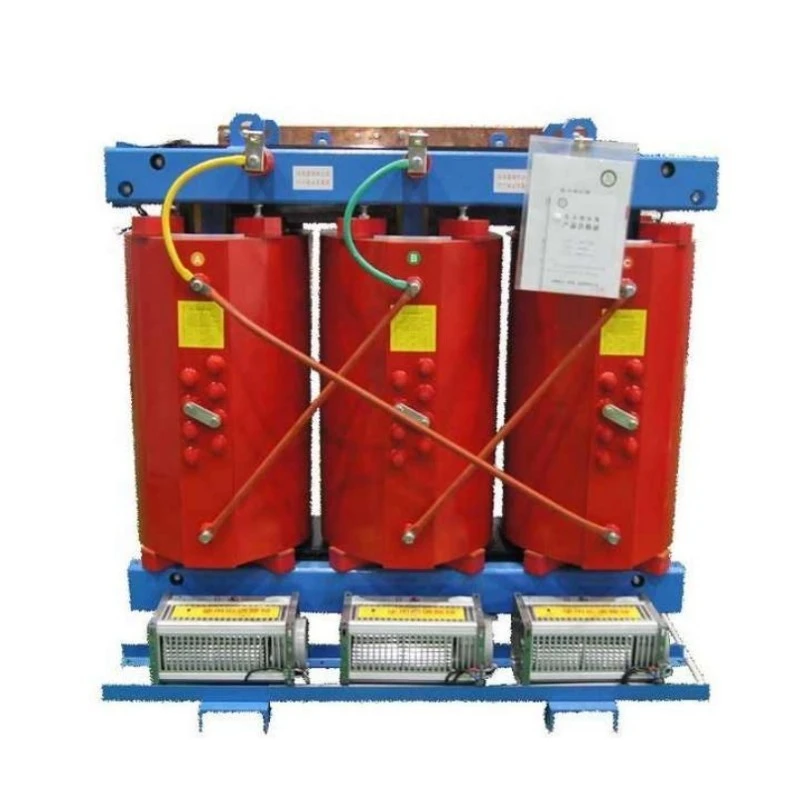
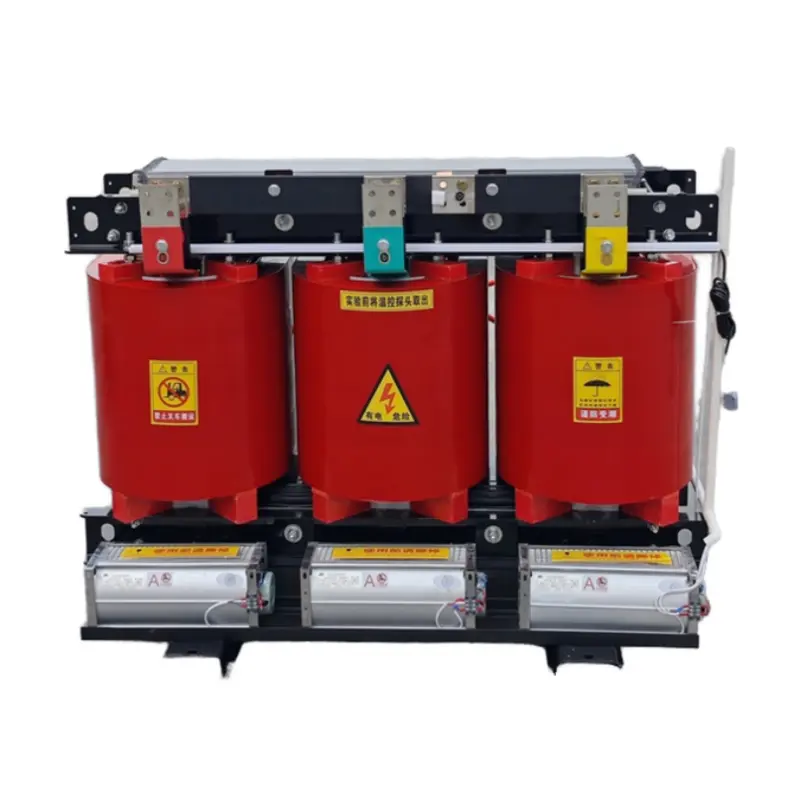
What Is a Dry Type Transformer?

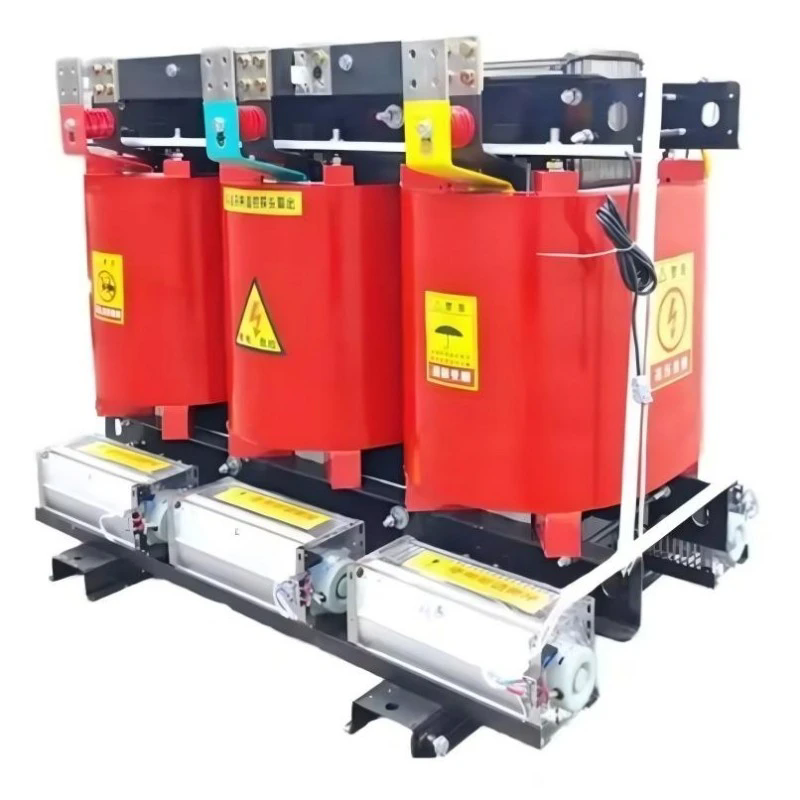
A Dry Type Transformer uses air as the main cooling medium and solid insulation materials instead of insulating oil. It is commonly installed indoors or in places with strict requirements for fire safety, environmental protection and maintenance convenience.

Main Features of Dry Type Transformer

  • Uses air cooling and solid insulation materials.
  • No transformer oil, reducing oil leakage risk.
  • Suitable for indoor installation and high fire-safety areas.
  • Lower routine maintenance requirements.
  • Commonly used in commercial buildings, hospitals, data centers, schools and metro systems.
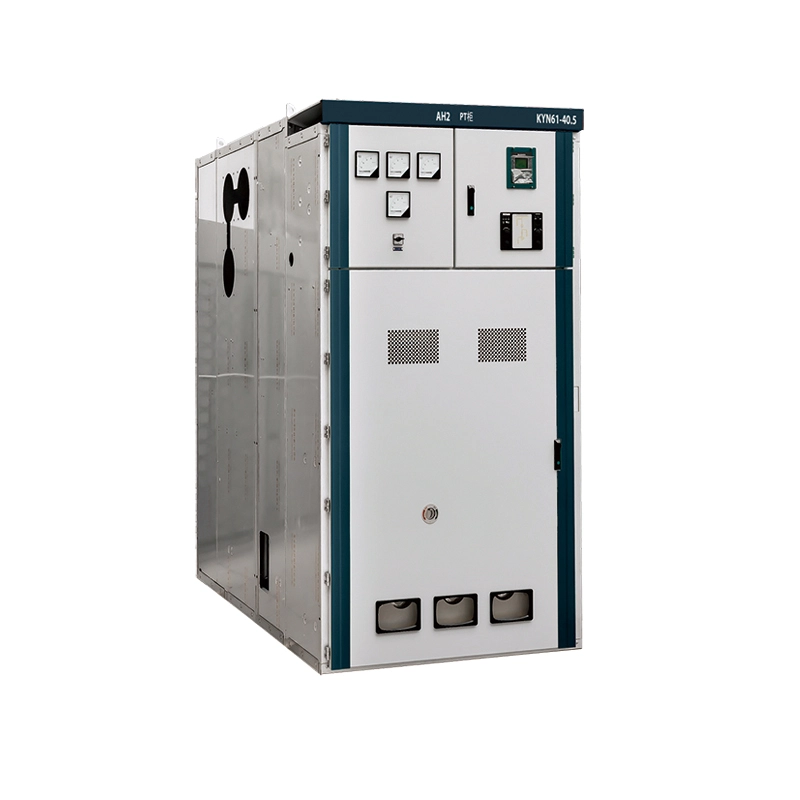
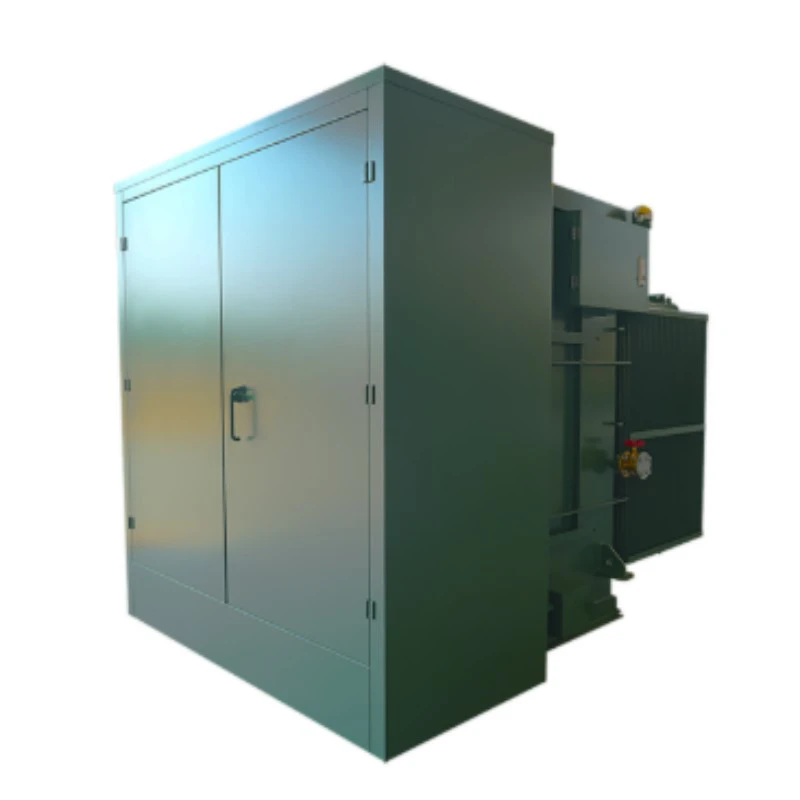
Dry Type transformer

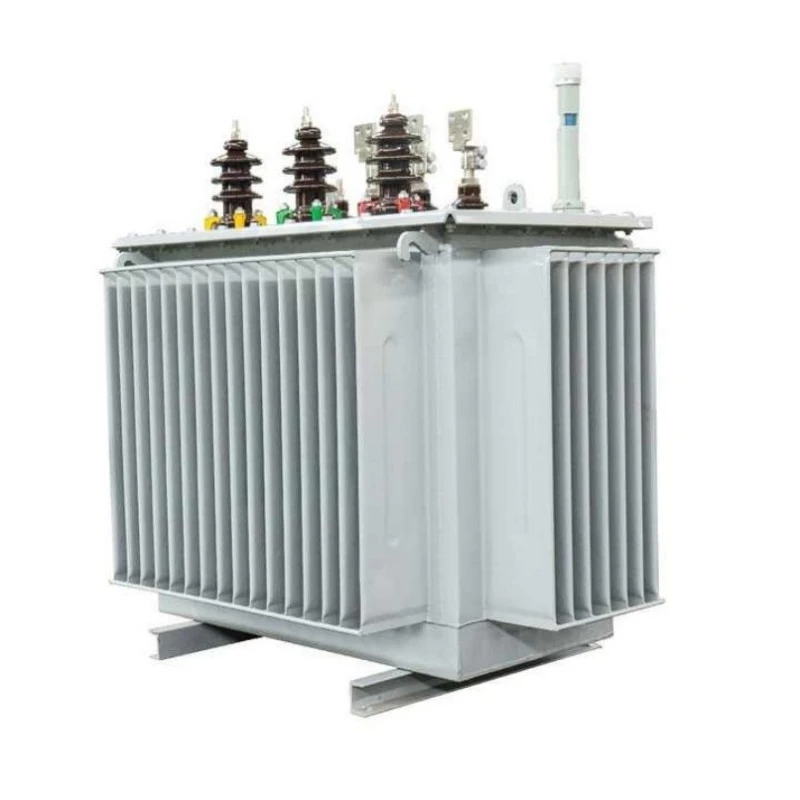
What Is an Oil Immersed Transformer?

An Oil Immersed Transformer uses insulating oil for cooling and insulation. The oil helps transfer heat from the transformer core and winding to the tank and radiator, making it suitable for higher capacity and heavy-duty power distribution applications.

Main Features of Oil Immersed Transformer

  • Uses transformer oil for insulation and heat dissipation.
  • Good cooling performance for medium and large capacity projects.
  • Suitable for outdoor substations and utility distribution networks.
  • Often more cost-effective for high-capacity applications.
  • Requires oil condition monitoring and leakage prevention measures.
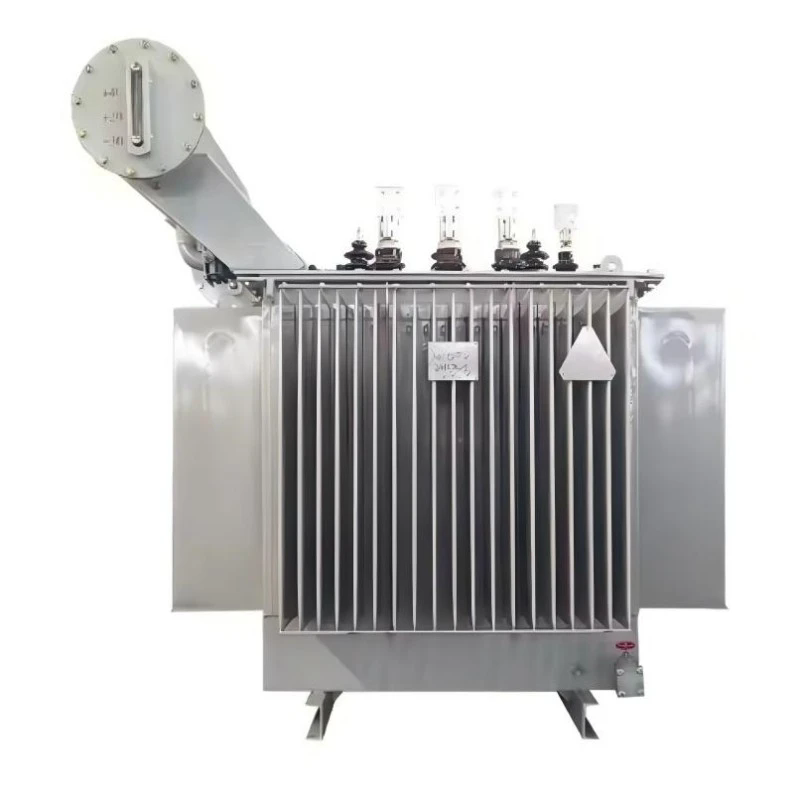
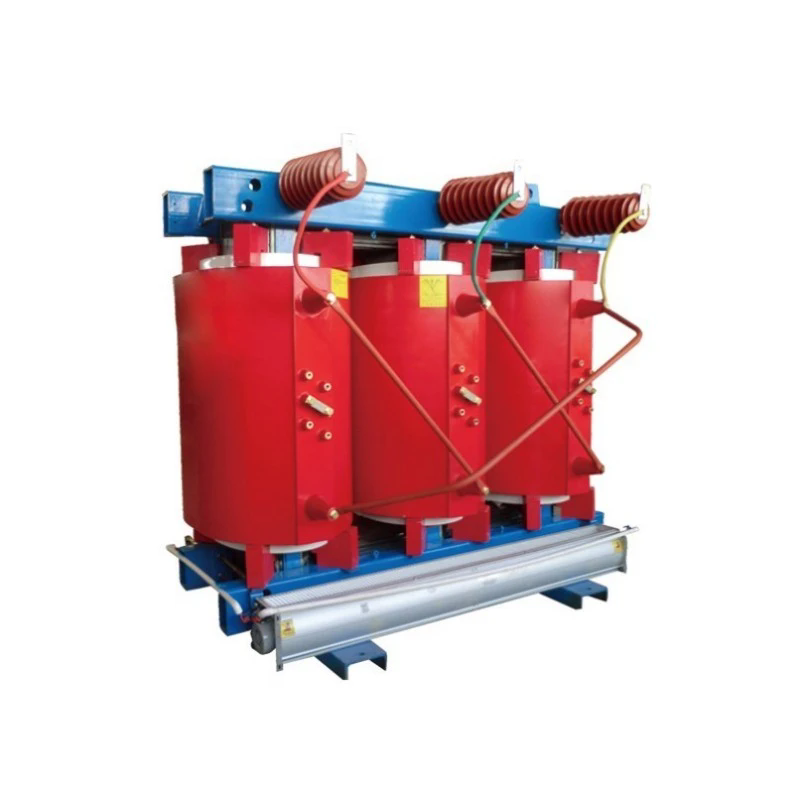
Oil Immersed Transformer

Dry Type Transformer vs Oil Immersed Transformer: Key Differences

Comparison Factor Dry Type Transformer Oil Immersed Transformer Selection Advice
Cooling Method Air cooling, natural or forced ventilation Oil cooling with tank and radiator heat dissipation Choose oil immersed type for stronger cooling in large-capacity projects
Insulation Medium Solid insulation materials and air Transformer insulating oil Choose dry type where oil-free operation is required
Installation Environment Usually indoor, such as buildings and public facilities Usually outdoor or in dedicated transformer rooms Match transformer type with site space, ventilation and safety requirements
Fire Safety Higher fire safety because it does not use oil Requires fire prevention design due to oil usage Dry type is preferred for hospitals, malls, data centers and high-rise buildings
Maintenance Relatively low maintenance; mainly cleaning and temperature inspection Requires oil testing, sealing inspection and leakage monitoring Dry type is suitable for projects seeking easier maintenance
Capacity Range Commonly used for small to medium capacity distribution Suitable for medium to large capacity and heavy-load operation Oil immersed transformer is often selected for larger power demand
Initial Cost Usually higher for the same capacity Usually more economical for higher capacity Evaluate total project cost, not only purchase price
Environmental Risk No oil leakage risk Requires oil containment and environmental protection measures Dry type is better for environmentally sensitive locations

Advantages and Limitations of Dry Type Transformer

Advantages

  • High safety: Oil-free design reduces fire and leakage risks.
  • Environmentally friendly: No transformer oil disposal or oil spill concern.
  • Easy maintenance: Routine inspection is generally simpler than oil-filled equipment.
  • Indoor-friendly: Suitable for buildings with limited outdoor installation space.
  • Clean operation: Ideal for public facilities and areas with strict environmental requirements.

Limitations

  • Usually higher initial cost for the same rated capacity.
  • Requires good ventilation and temperature control.
  • May be less suitable for very high-capacity heavy-duty applications.
  • Can be more sensitive to dust, humidity and harsh environmental conditions if not properly protected.

Advantages and Limitations of Oil Immersed Transformer

Advantages

  • Excellent heat dissipation: Transformer oil improves cooling efficiency.
  • Strong overload capability: Suitable for continuous and heavy-load operation.
  • Cost-effective: Often more economical for medium and large capacity projects.
  • Outdoor application: Widely used in substations, industrial facilities and utility networks.
  • Long service life: With proper maintenance, it can operate reliably for many years.

Limitations

  • Requires regular oil testing and maintenance.
  • Oil leakage prevention and sealing performance are important.
  • Fire protection measures may be required depending on the installation site.
  • Not always preferred for indoor public buildings or environmentally sensitive areas.

How to Choose Between Dry Type Transformer and Oil Immersed Transformer

1. Consider the Installation Location

If the transformer will be installed inside a commercial building, hospital, school, data center or metro station, a Dry Type Transformer is often preferred because it offers better fire safety and oil-free operation. If the project is an outdoor substation, industrial plant or utility distribution network, an Oil Immersed Transformer may be more suitable.

2. Evaluate Load Capacity and Operating Conditions

For high-capacity and heavy-load applications, an Oil Immersed Transformer usually provides better cooling performance and overload capability. For small and medium distribution systems with strict safety requirements, a Dry Type Transformer can be a practical choice.

3. Review Fire Safety Requirements

Projects with strict fire safety standards should carefully evaluate transformer insulation materials, installation distance, ventilation and protection design. Dry type transformers are commonly selected where fire risk control is a top priority.

4. Compare Maintenance Requirements

A Dry Type Transformer generally requires less routine maintenance because there is no oil to test or replace. An Oil Immersed Transformer requires oil quality monitoring, sealing inspection and leakage prevention, but it remains a reliable and economical option when maintained correctly.

5. Check Environmental Conditions

In dusty, humid, corrosive or high-temperature environments, the transformer enclosure, cooling design and insulation system should be selected carefully. Lugao can provide technical support for selecting transformer configurations according to local site conditions.

Typical Applications

Dry Type Transformer Applications

  • Commercial buildings and shopping malls
  • Hospitals, schools and public facilities
  • High-rise buildings and residential complexes
  • Data centers and communication facilities
  • Metro stations, airports and transportation systems

Oil Immersed Transformer Applications

  • Power distribution substations
  • Industrial plants and manufacturing facilities
  • Mining and heavy industry projects
  • Renewable energy projects such as solar and wind farms
  • Rural and urban utility distribution networks

Which Transformer Is Better?

There is no single answer for every project. A Dry Type Transformer is usually better for indoor, public, fire-sensitive and environmentally sensitive applications. An Oil Immersed Transformer is often better for outdoor, high-capacity, heavy-load and cost-sensitive power distribution projects.

The better choice depends on the project voltage level, capacity demand, installation environment, fire safety requirements, maintenance plan and budget. Before making a final decision, project owners should review technical specifications and consult an experienced transformer manufacturer.

Why Choose Lugao Transformer Solutions?

Lugao focuses on power transmission and distribution equipment and provides transformer solutions for different industries and project scenarios. With product coverage including transformers, switchgear, circuit breakers, disconnectors, lightning arresters, CT/PT/VT and customized OEM/ODM equipment, Lugao can support customers from product selection to project configuration.

lugao factory

Lugao Advantages

  • Manufacturing experience in power transmission and distribution equipment.
  • Transformer options for industrial, commercial, utility and infrastructure projects.
  • Support for customized voltage, capacity, enclosure and configuration requirements.
  • Engineering-oriented selection guidance based on application and site conditions.
  • Integrated product supply for substations and electrical distribution systems.

Conclusion

Both Dry Type Transformer and Oil Immersed Transformer have clear advantages. Dry type transformers are suitable for safer, cleaner and indoor applications, while oil immersed transformers are ideal for larger capacity and outdoor power distribution projects. By working with a professional manufacturer like Lugao, customers can choose a transformer solution that matches project safety, efficiency, reliability and long-term operation requirements.

Related News
Leave me a message
X
We use cookies to offer you a better browsing experience, analyze site traffic and personalize content. By using this site, you agree to our use of cookies.Privacy Policy
RejectAccept